
The French legal system is currently facing a wave of significant instability as lawyers across the country mobilize against a controversial legislative reform. Since the beginning of April, a national movement has seen dozens of legal bars engage in strikes and “work-to-rule” actions to protest the proposed extension of the “plaider-coupable” (guilty plea) procedure to serious crimes.
At the heart of the dispute is the France lawyers strike guilty plea law controversy, centered on the “SURE” bill. While guilty pleas are already an established mechanism for lesser offenses (délits), the government seeks to expand this speedy-track process to certain serious crimes. This move has sparked fears among legal professionals that the French state is prioritizing judicial efficiency over the fundamental rights of the accused and the integrity of the adversarial process.
The mobilization is reaching a critical juncture this week. With a national day of action termed “Justice morte” (Dead Justice) scheduled for Monday, April 13, 2026, the legal profession is attempting to exert maximum pressure on the government before the bill faces examination by the Senate. From the capital to regional hubs like Dijon and Bobigny, the legal community is warning that the reform represents a dangerous retreat from the rule of law.
Understanding the SURE Bill and the “Plaider-Coupable” Extension
The proposed projet de loi SURE, championed by the Minister of Justice Gérald Darmanin, is designed to accelerate criminal proceedings and alleviate the chronic congestion of France’s criminal courts. The government argues that the current system is overburdened, leading to excessive delays in trials and justice.
Under the proposed extension, a “guilty plea” procedure for serious crimes would be permissible under specific, strict conditions:
- The crime must have a single perpetrator.
- The accused must provide a full and complete confession.
- The public prosecutor (parquet) must agree to the arrangement.
- The victim must not oppose the procedure within a ten-day window.
By removing the need for a full trial in these specific instances, the government aims to streamline the judicial pipeline. However, for the legal profession, this efficiency comes at a steep price: the elimination of the traditional trial process for some of the most serious offenses in the penal code.
Why France’s Lawyers Are Mobilizing
The opposition from the legal community is not merely procedural; it is philosophical and ethical. Legal organizations, including the National Council of Bars (Conseil national des barreaux), argue that the extension of guilty pleas to crimes creates an unacceptable risk of “expedited justice.”
The primary concern is the loss of the débat contradictoire—the adversarial debate. In a standard criminal trial, evidence is tested through the questioning of witnesses, the analysis of experts, and the deliberation of a popular jury. By bypassing this stage, lawyers fear an increase in false confessions, where defendants may plead guilty due to pressure or a lack of understanding of their rights, without the safeguard of a public hearing.
there is a growing concern regarding a “two-tier justice system.” Representative bodies argue that the reform would disproportionately disadvantage defendants who are less legally equipped or lack the resources to navigate the complexities of a negotiated plea, potentially leading to inequitable sentencing and a lack of transparency in how justice is administered.
A National Movement: From Paris to the Provinces
The scale of the mobilization is extensive. As of March 31, 2026, approximately fifty bars across France voted to enter a strike. While the modalities of the protests are decided locally, the coordination is national, overseen by the Conference of Bâtonniers and the National Council of Bars.
Different jurisdictions have adopted varying strategies to signal their discontent:
- Paris: Lawyers have launched a “grève du zèle” (work-to-rule strike), adhering strictly to the letter of the law to slow down judicial proceedings as of April 1, 2026.
- Bobigny: This bar has announced a total strike, with the explicit goal of paralyzing the courts on the national day of action.
- Dijon: The barreau de Dijon has been in an unlimited strike regarding all criminal activities since April 6, 2026.
In Dijon, Bâtonnier François-Xavier Mignot and Vice-Bâtonnière Alexia Gire have been vocal in their opposition, stating that the bill represents a “retreat of the rule of law” and a “negation of victims” that cannot be accepted. They advocate for a criminal justice system that remains public, human, and respectful of the rights of all parties involved.
Key Takeaways: The French Legal Crisis
| Feature | Government Position (SURE Bill) | Lawyers’ Position |
|---|---|---|
| Primary Goal | Decongest courts and accelerate procedures. | Protect the rule of law and adversarial rights. |
| Plaider-Coupable | Extend to serious crimes (single author, full confession). | Retain restricted to lesser offenses (délits). |
| Key Risk | Systemic judicial collapse due to delays. | False confessions and “expedited justice.” |
| Procedural Change | Avoid full trial via negotiated plea. | Loss of jury trials and expert testimony. |
The “Justice Morte” Deadline: April 13
The tension is expected to peak on Monday, April 13, 2026. This date serves as a dual flashpoint: it is the day the SURE bill is scheduled for examination in the Senate, and it is the designated national day of “Justice morte.”
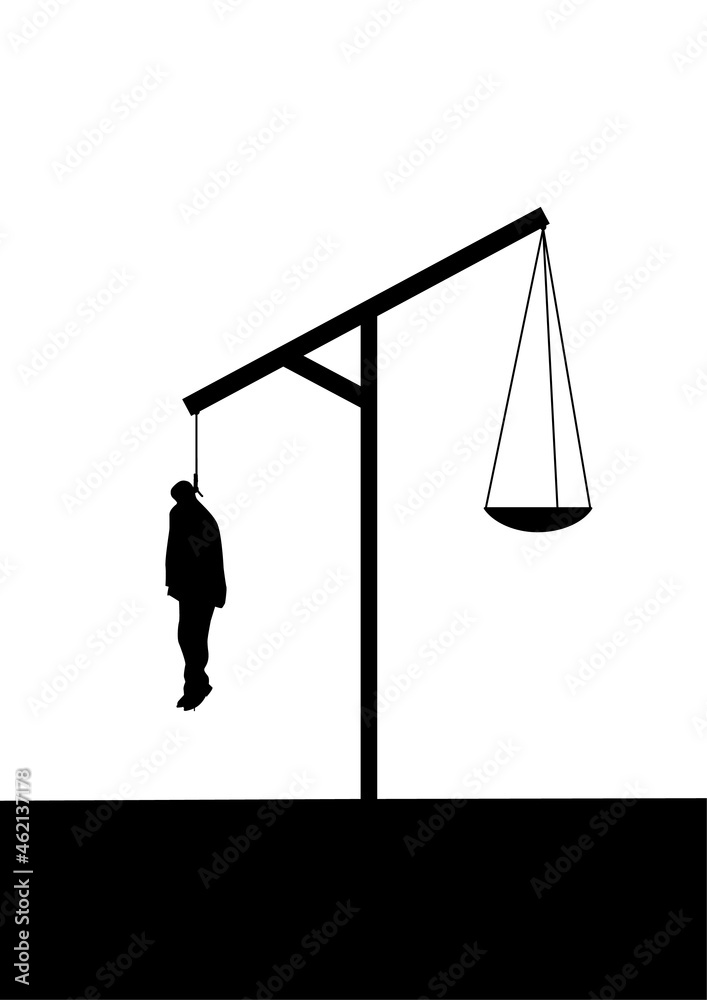
Lawyers from across France are expected to converge on Paris for a national manifestation. Locally, protests are planned in front of judicial tribunals, including in Dijon, where lawyers will gather to demand the immediate withdrawal of the bill. The goal of the “Justice morte” day is to demonstrate that the judicial system cannot function effectively if the legal profession—the essential bridge between the citizen and the court—is in open revolt.
For the general public, this means significant disruptions. Depending on the bar, criminal hearings—and in some cases, civil hearings—may be postponed. In jurisdictions like Bobigny, where total paralysis is the goal, the impact on the daily operation of the courts will be substantial.
What This Means for the Global Legal Landscape
The conflict in France reflects a broader global tension between the need for judicial efficiency and the preservation of due process. As legal systems worldwide struggle with mounting caseloads, the temptation to adopt “American-style” plea bargaining for serious offenses grows. However, the French legal tradition places a high premium on the public, contradictory nature of the trial.
If the SURE bill passes despite the strike, it could signal a fundamental shift in the French approach to criminal justice, moving away from the jury-led, transparent trial toward a more administrative, negotiated form of sentencing. This transition is precisely what the current mobilization seeks to prevent.
The next confirmed checkpoint for this crisis is the Senate examination of the SURE bill on Monday, April 13, 2026, alongside the national protests in Paris and regional courts. Whether the government will offer concessions to the bars or push forward with the reform remains to be seen.
We invite our readers to share their perspectives on the balance between judicial efficiency and due process in the comments below.