Is Europe on the Brink? Assessing the rising Threat of Russian Military Conflict
Are you concerned about the escalating tensions in Eastern Europe and what they mean for the future of the continent? Recent warnings from top military and intelligence officials suggest a heightened risk of conflict with Russia, prompting a significant push for increased defense preparedness.This article delves into the growing concerns, analyzes the potential timeline for conflict, and explores what these developments mean for European security.
The Warnings Mount: A Shift in Threat Perception
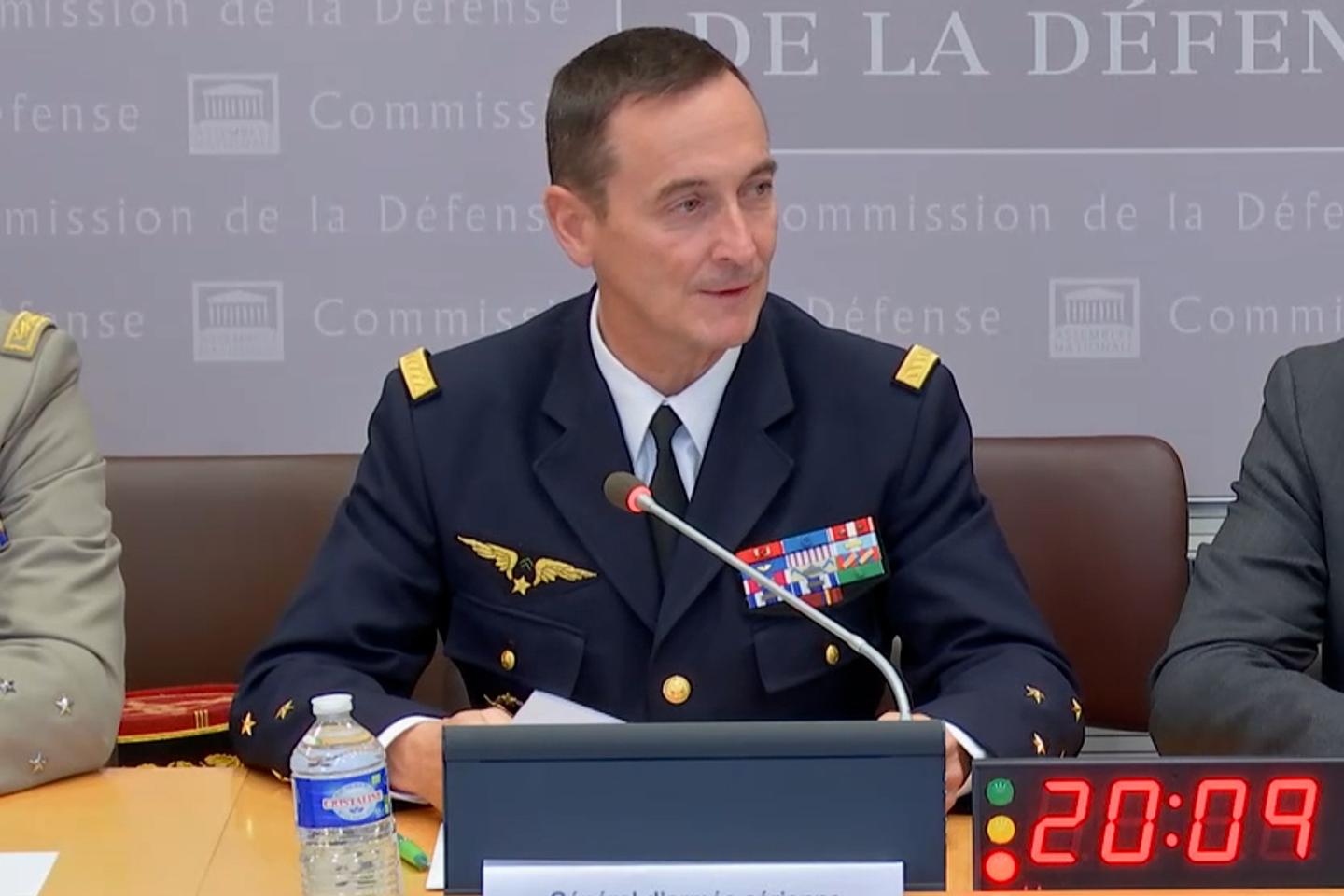
France’s Chief of the General Staff, General Fabien Mandon, recently stated that the French army must be prepared for a “shock” within three to four years. He emphasized Russia’s potential temptation to expand the war beyond Ukraine and onto the European continent. This isn’t an isolated assessment.
Germany’s intelligence services echoed these concerns last week, warning that Russia is prepared to engage in direct military conflict with NATO.Crucially,they predict this threat could materialize before 2029. This represents a significant shift in threat perception, moving beyond the current support of Ukraine to a direct confrontation scenario.
Why the Increased Urgency? understanding Russia’s Potential Motivations
Several factors contribute to this growing sense of urgency. Russia’s ongoing war in Ukraine has demonstrated its willingness to use military force to achieve its geopolitical objectives. Furthermore, a perceived weakening of Western resolve, coupled with internal political pressures, could embolden Russia to take more aggressive actions.
Here’s a breakdown of potential motivations:
* Territorial ambitions: Russia may seek to expand its influence beyond Ukraine, potentially targeting NATO member states with past ties or perceived vulnerabilities.
* Disrupting NATO: A direct conflict could be aimed at weakening the alliance and undermining its credibility.
* Domestic political considerations: Escalating tensions can serve to rally domestic support and divert attention from internal challenges.
* Resource control: Securing access to vital resources and strategic locations remains a key driver of Russian foreign policy.
The Re-Armament Effort: Preparing for a Potential Conflict
In response to these warnings, several European nations are accelerating their re-armament efforts. France’s call for preparedness is part of a broader trend. This includes increased defense spending, modernization of military equipment, and enhanced military training exercises.
Key areas of focus include:
* Increased defense budgets: many European countries are committing to exceeding the NATO target of 2% of GDP spending on defense. (https://www.nato.int/cps/en/natolive/topics/investment_defence/index.htm)
* Modernizing military equipment: Investments are being made in advanced weaponry, including air defense systems, long-range missiles, and cyber warfare capabilities.
* Strengthening military readiness: Increased training exercises and improved logistical capabilities are aimed at ensuring rapid deployment and effective response to potential threats.
* Boosting ammunition production: Recognizing critical shortages exposed by the war in Ukraine, Europe is working to ramp up ammunition production capacity. (https://www.reuters.com/world/europe/europe-struggles-boost-ammunition-production-ukraine-war-demands-2023-03-09/)
What Does This Mean for You? Assessing the Potential Impact
The prospect of a wider conflict in Europe has significant implications for citizens across the continent. While a full-scale war remains unlikely,the risk of escalation is real.
Here’s what you shoudl consider:
* Increased geopolitical instability: Heightened tensions could lead to economic disruptions, travel restrictions, and increased security measures.
* Potential for cyberattacks: Russia has a history of employing cyberattacks as a tool of hybrid warfare, and these could target critical infrastructure and government systems.
* Economic consequences: A conflict could disrupt supply chains, increase energy prices, and negatively