
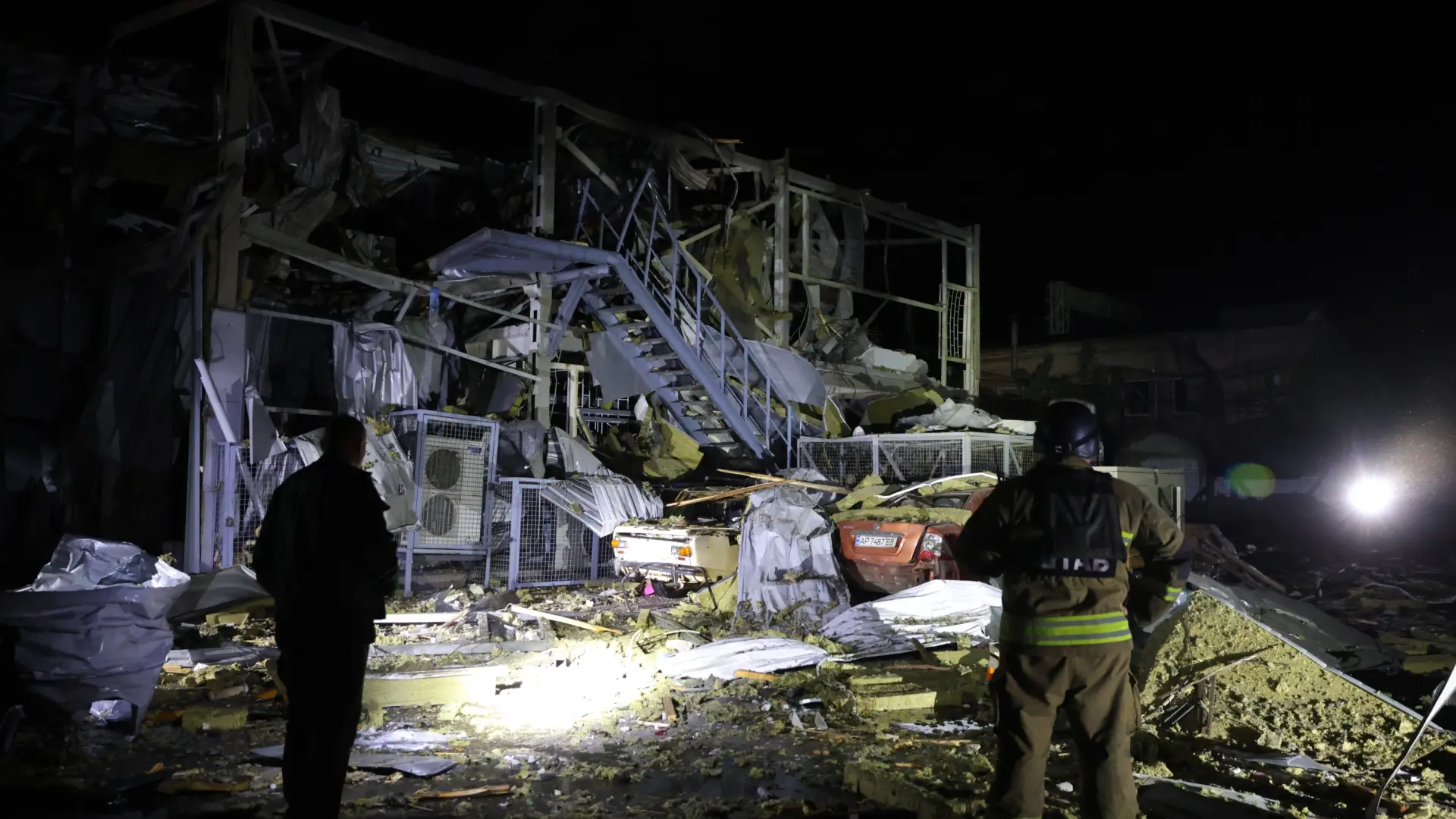
French Photojournalist killed in Drone Strike in Eastern Ukraine – A Growing Threat to Press Freedom
A somber reality has descended upon the journalism community with the tragic loss of Antoni Lallican, a French photojournalist, in eastern Ukraine. He was fatally struck by a drone on October 3rd, marking the first journalist killed by a drone attack during the ongoing Russian invasion. This devastating event underscores the escalating dangers faced by reporters covering the conflict.
Lallican, working with the Hans Lucas agency, was reporting near the front lines when the attack occurred around 9:20 AM local time. He was accompanied by Ukrainian journalist Heorgiy Ivanchenko,who sustained injuries in the same incident. Both journalists were clearly identifiable as members of the press, wearing protective gear including vests marked with “Prensa.”
This loss is particularly poignant as it highlights a disturbing trend: the increasing vulnerability of journalists in modern warfare. Drones, while offering new avenues for reporting, also present a new and lethal threat.
A Life Dedicated to Witnessing Conflict
Antoni Lallican wasn’t simply a photographer; he was a visual storyteller dedicated to bearing witness. Based in Paris, his impactful work appeared in prominent publications across Europe, including Le Monde, Le Figaro, Libération, Der Spiegel, and Le Temps.
Since 2022, Lallican focused his lens on the human cost of the Russian invasion. His commitment to documenting the realities of war earned him the prestigious Victor Hugo 2024 award for committed photography, recognizing his powerful reportage on the conflict.you can appreciate the depth of his work and the stories he sought to tell through his portfolio.
condemnation and Calls for Accountability
The international journalism community has reacted with profound sadness and outrage. Organizations representing journalists worldwide have expressed their deepest condolences to Lallican’s family and colleagues. They’ve also unequivocally condemned the attack as a potential war crime.
Moreover, there are urgent calls for a thorough examination to identify and hold accountable those responsible for this tragic loss. Its crucial that those who target journalists are brought to justice, sending a clear message that attacks on the press will not be tolerated.
A Grim Toll: Press Freedom Under Fire
Sadly, Lallican’s death isn’t an isolated incident. As the beginning of the invasion in February 2022, a staggering 17 journalists have lost their lives while reporting from Ukraine. This grim statistic serves as a stark reminder of the risks these brave individuals take to bring you the truth.
Here’s a breakdown of the dangers journalists face:
* Direct Targeting: Intentional attacks on journalists,like the one that claimed Lallican’s life.
* Crossfire: Being caught in the line of fire during active combat.
* Landmines and unexploded Ordnance: The ever-present danger of encountering hidden explosives.
* Detention and harassment: Facing intimidation, arrest, or obstruction from authorities.
The safety of journalists is paramount. It’s essential that all parties involved in the conflict respect international law and protect those whose job it is indeed to inform the world.
Ultimately, lallican’s legacy will live on through his powerful images and his unwavering dedication to truth. His death serves as a call to action – a reminder that protecting press freedom is not just a professional obligation, but a moral imperative. We must continue to support journalists on the ground and demand accountability for those who seek to silence them.





