
The Silent Crisis in Psychiatric Care: Addressing Emergency Room Overload and the Promise of Specialized Units
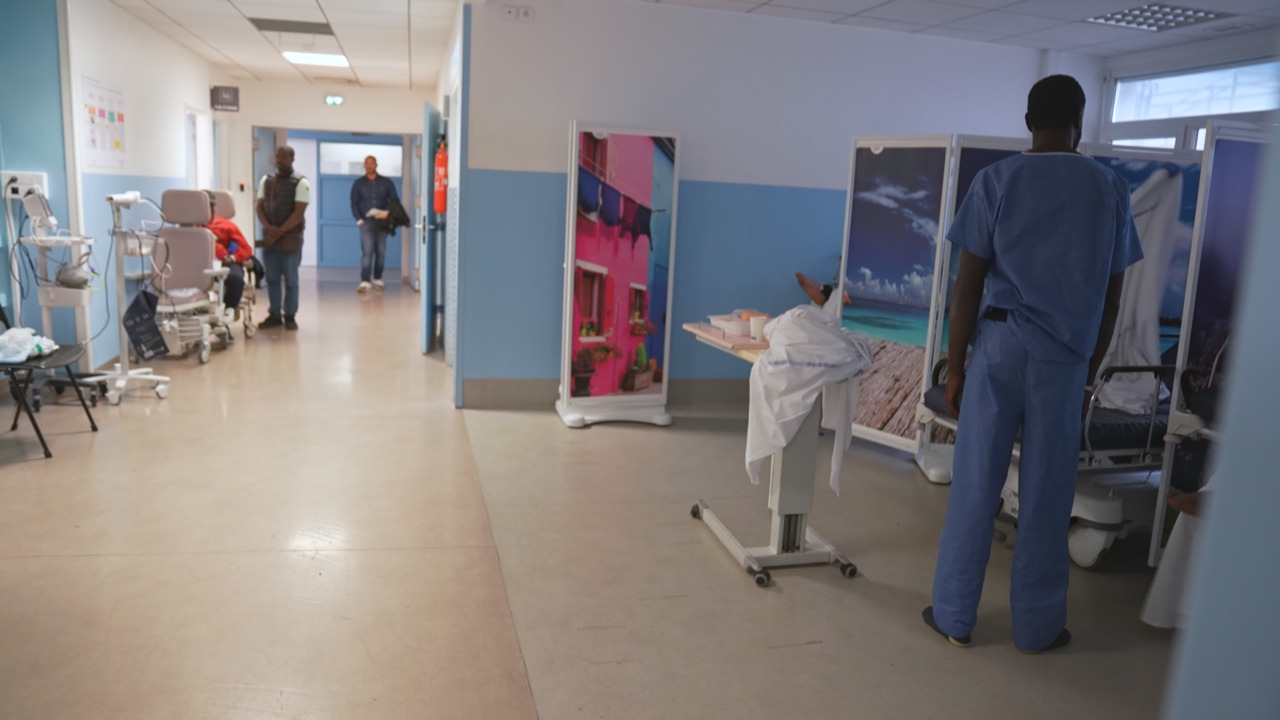
The scene is tragically familiar for Dr. Fayçal Mouaffak, head of Emergency Psychiatric Services at Ville-Evrard in Seine-Saint-Denis, France. Each morning begins with patients already waiting – sometimes for days – in the chaotic habitat of emergency room corridors.This isn’t an isolated incident; it’s a symptom of a systemic crisis in psychiatric care, one that demands urgent attention. As a seasoned psychiatrist witnessing this firsthand, I want to shed light on the challenges, the contributing factors, and the innovative solutions emerging to address this growing problem.
The Overwhelmed System: A Growing Demand, Shrinking Resources
The numbers paint a stark picture. In 2023 alone, French emergency rooms saw 566,000 visits related to psychiatric concerns – a staggering 21% increase as 2019. Yet, simultaneously, the system has been losing capacity. Over the past 15 years,a concerning 8,800 beds have been eliminated from public hospital psychiatric wards.
This creates a perfect storm,leaving dedicated professionals like Dr. Mouaffak scrambling to find appropriate care for those in need. The consequences are meaningful: prolonged wait times, exacerbated symptoms due to the stressful ER environment, and a strain on already limited resources.
Why the Shortage? Addressing the Stigma and misconceptions
The lack of beds is inextricably linked to a critical shortage of qualified professionals. Psychiatry, unfortunately, isn’t a popular specialty among medical students. Why? A significant part of the problem lies in persistent, damaging stereotypes.
* Misconceptions about patient Violence: Many believe psychiatric patients are inherently violent, a myth debunked by experts like dr. Nadia Cheffi, head of Ville-Evrard’s secure psychiatric emergency unit (CRUP). She emphasizes that violence rates are no higher in psychiatry than in other medical fields.
* Undervaluation of Psychiatric medicine: Even within the healthcare community, a troubling bias exists. Some view psychiatry as “not real medicine,” overlooking the complex biological, psychological, and social factors at play. As Dr. Mouaffak rightly points out, effective treatments exist, research is rapidly advancing, and these are genuine medical illnesses.
These misconceptions discourage aspiring doctors, perpetuating the cycle of understaffing and limited access to care.
The CRUP Model: A Beacon of Hope for Immediate Stabilization
Recognizing the desperate need for a better solution, Dr. Mouaffak spearheaded the creation of the CRUP – a secure psychiatric emergency unit designed to alleviate the burden on traditional emergency rooms.Opened two years ago within delafontaine Hospital, the CRUP offers a dramatically improved environment for patients in crisis.
Here’s how it effectively works:
- Dedicated Space: Patients have their own rooms, fostering a sense of safety and dignity.
- Calm Atmosphere: The unit is designed to minimize stimulation and reduce anxiety.
- 72-Hour Stabilization: This crucial timeframe allows doctors to thoroughly assess patients, initiate treatment, and stabilize their condition.
- Transition to Long-Term Care: From the CRUP, patients can either return home with a tailored care plan or be transferred to psychiatric wards for more extended treatment.
the impact has been profound. Nurses like Hakima report a renewed sense of purpose,stating that the CRUP “makes what I do meaningful again.” Patients benefit from focused care, and the overall emergency room system experiences much-needed relief.
Looking Ahead: Expanding the CRUP Model for Systemic Change
The success of the Ville-Evrard CRUP is driving a push for wider adoption of this model. Plans are underway to open another unit within Avicenne Hospital in Bobigny, further expanding access to specialized psychiatric care in the greater Paris region.
This isn’t just about adding beds; it’s about fundamentally changing how we approach mental health emergencies. It’s about recognizing the unique needs of these patients, challenging harmful stigmas, and investing in a workforce dedicated to providing compassionate, evidence-based care.
What You Can Do:
* Educate Yourself: Learn more about mental health and challenge yoru own biases.
* Advocate for Change: Support policies that prioritize mental health funding and access to care.
* Promote Understanding: Share





