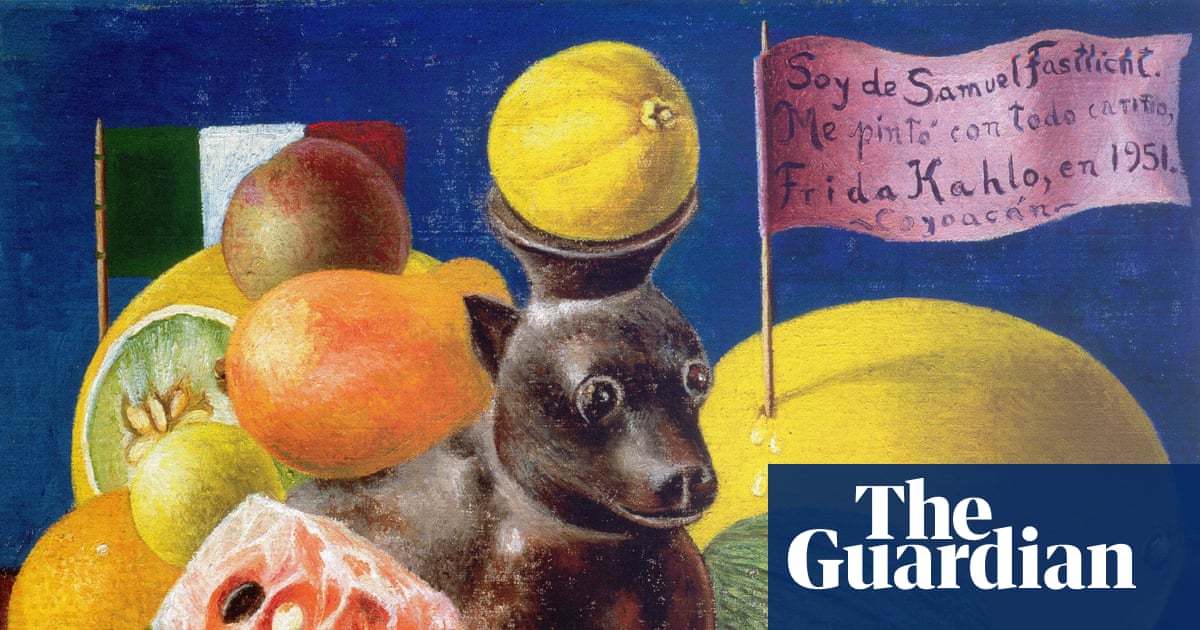
London’s cultural calendar is shifting this summer as major institutions prepare for a series of high-profile exhibitions, including a significant retrospective on Frida Kahlo at Tate Modern and a celebration of John Constable’s 250th anniversary at the British Museum. These events, spanning from late June through early 2026, represent a concerted effort by UK galleries to re-examine the legacies of iconic painters through new archival research and contemporary perspectives.
The upcoming season brings together a diverse range of artistic narratives, from the surrealist explorations of Kahlo to the pastoral landscapes that defined the British tradition. For international visitors and local art enthusiasts, these exhibitions offer a rare opportunity to view works that have been subject to decades of academic study, now presented with updated historical context. According to the official Tate Modern exhibition schedule, the Kahlo retrospective is slated to run from June 25, 2025, through January 3, 2026.
Frida Kahlo: Beyond the Surrealist Label
The Tate Modern exhibition aims to move beyond the biographical myths that have surrounded Frida Kahlo for decades. By focusing on her technical development and the political environment of post-revolutionary Mexico, curators are shifting the conversation toward her influence on modern art history. This approach emphasizes her role as a deliberate creator of her own image, rather than a passive subject of her personal trauma.
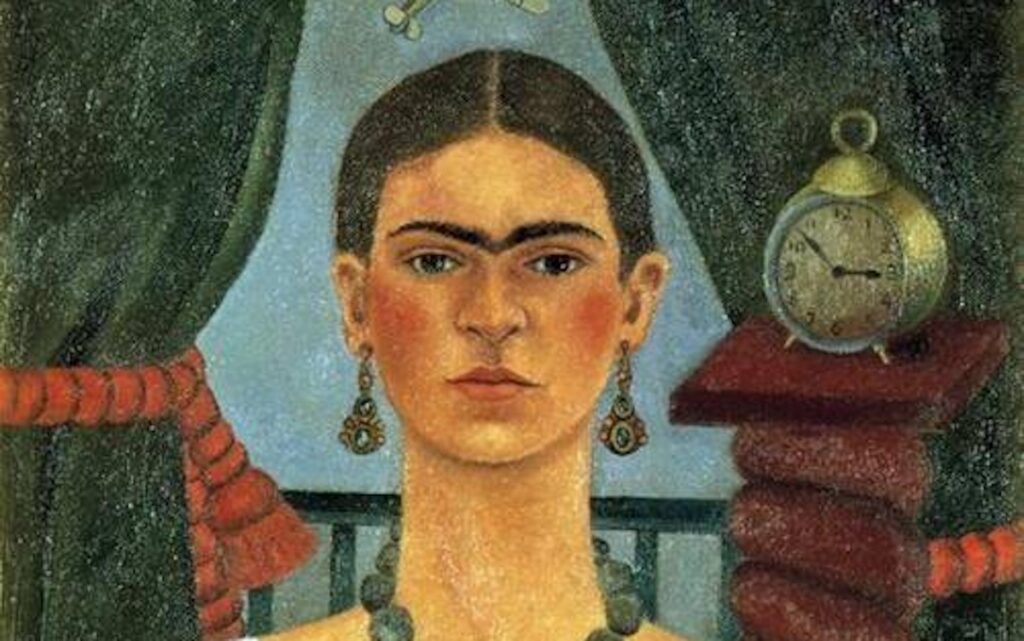
Historical assessments of Kahlo’s work have often focused on her marriage to muralist Diego Rivera, but recent scholarship—as noted by the Art Newspaper’s reporting on museum programming—seeks to highlight her independent contributions to surrealism and symbolism. The exhibition will feature a collection of self-portraits and smaller, intimate works that demonstrate her meticulous attention to detail and her ability to weave indigenous Mexican iconography into modern oil painting.
John Constable at 250: A Legacy in Landscapes
The British Museum and its partners in the UK are preparing to mark the 250th anniversary of John Constable’s birth in 2026. Constable, a central figure in the development of 19th-century landscape painting, remains a cornerstone of the British art canon. His ability to capture the atmospheric quality of the English countryside, particularly the Stour Valley, continues to influence how environmental history is taught in art institutions.
While the British Museum manages the archival aspects of the anniversary, regional galleries across the country are expected to host satellite exhibitions. The British Museum’s official collections database indicates that preparations are underway to digitize correspondence and early sketches, providing a comprehensive view of how Constable’s techniques evolved from his early career in Suffolk to his eventual recognition by the Royal Academy.
Claydon and the Cornish Artistic Influence
In addition to the major London retrospectives, regional estates are expanding their cultural programming. Claydon, the historic house in Buckinghamshire, is currently preparing for a series of installations that highlight local history and artistic intervention. These projects often serve as a bridge between historical estate management and contemporary art outreach, drawing audiences to rural sites that might otherwise remain outside the standard gallery circuit.
Meanwhile, the Cornish coast continues to serve as a hub for artistic development, with a specific focus on the legacy of the St Ives School. According to the Tate St Ives visitor information, the region remains a primary destination for those interested in the mid-century British modernism movement. The integration of these regional narratives into the national conversation ensures that the 2025–2026 art season reflects a broad spectrum of British and international heritage.
What to Expect: Planning Your Visit
For those planning to attend these exhibitions, booking in advance is strongly recommended. Major London institutions have moved toward a fully digital ticketing system to manage capacity. Visitors should monitor the official websites of the Tate and the British Museum for updates on opening hours, as these can fluctuate based on seasonal staffing and maintenance schedules.
The next major checkpoint for these events will be the release of full exhibition catalogues in late May 2025, which will provide a definitive list of the loans and private collections participating in the Kahlo and Constable shows. Readers interested in the latest developments are encouraged to sign up for institutional newsletters or follow official social media channels for real-time announcements regarding ticket availability and secondary programming, such as artist talks or academic symposiums.
We welcome your thoughts on these upcoming exhibitions. Please share your expectations or your favorite memories of Kahlo and Constable’s work in the comments section below.
Related reading