Dutch Hospitals Strain Under Intense Flu Season, Postponing Surgeries
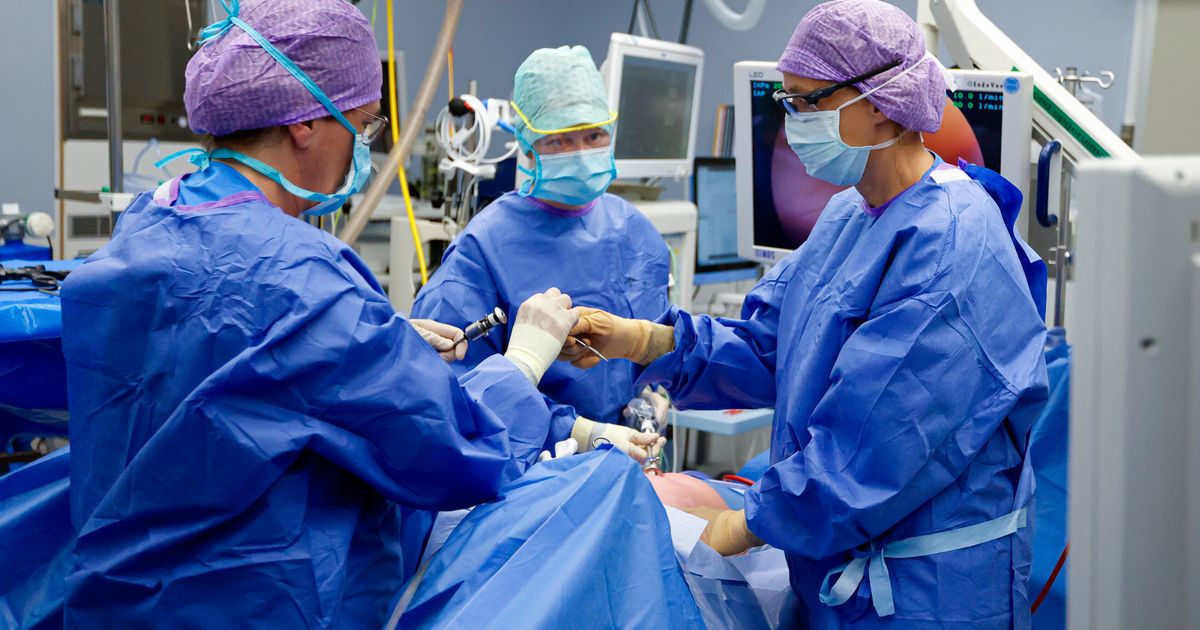
The Netherlands is currently grappling with a significant surge in influenza cases, placing considerable strain on the healthcare system. Hospitals across the country, including Frisius MC in Leeuwarden and Heerenveen, are reporting high patient volumes and are being forced to postpone scheduled surgeries to prioritize urgent care. The situation is compounded by illness among healthcare workers and bottlenecks in transferring patients to long-term care facilities, creating a challenging environment for both medical staff and patients.
The current flu epidemic is impacting hospitals nationwide, leading to overcrowded emergency rooms and a critical shortage of available beds. Frisius MC, a regional medical center serving Friesland province, has been particularly affected, initiating a policy of canceling non-essential operations since last week. According to reports, the emergency department at Frisius MC has experienced periods of “code orange” and even “code red” – indicating maximum capacity and requiring immediate triage to manage the influx of patients. This means patients with less urgent conditions may face extended wait times.
A Double Strain on Frisius MC
Remko Seinstra, manager of acute care at Frisius MC, explained the multifaceted challenges the hospital is facing. “We are clearly feeling the effects of the flu epidemic sweeping through the country,” he stated, as reported by Omrop Fryslân. “It is very busy in the hospital.” The pressure isn’t solely due to the increased number of patients contracting the flu; staff absences due to illness are also contributing to the strain. A slowdown in the transfer of patients from the hospital to elder care facilities is exacerbating the bed shortage, as patients awaiting discharge remain in hospital beds longer than usual.
This bottleneck in patient flow is a significant concern. As Seinstra explained, when patients cannot be discharged to appropriate care settings, it limits the hospital’s ability to admit new patients, even those requiring urgent surgical intervention. The hospital is working closely with other healthcare providers in the region to manage the situation and ensure the best possible care for all patients.
Nationwide Impact and Recurring Challenges
The situation at Frisius MC is not isolated. The NOS reports that other hospitals across the Netherlands, including the Meander Medical Center in Amersfoort, the Jeroen Bosch Hospital in Den Bosch, the Albert Schweitzer Hospital in Dordrecht, and the Martini Hospital in Groningen, have also been forced to postpone planned surgeries due to the surge in flu cases. A crisis team at the Meander Medical Center meets daily to assess the situation and implement additional measures to maintain essential care services.
While the current situation is particularly acute, Seinstra noted that Frisius MC routinely experiences periods of high demand. “We actually have a kind of peak every year, where we really have to balance between planned operations and what needs to be done urgently in the hospital,” he said. “The timing of this peak varies each year.” This suggests that hospitals are accustomed to managing fluctuating patient volumes, but the current flu epidemic is pushing resources to their limits.
Public Health Response and Preventative Measures
The Dutch National Institute for Public Health and the Environment (RIVM) is closely monitoring the spread of the influenza virus. Recent data indicates an increase in the number of people visiting their general practitioner with flu-like symptoms, rising from 62 per 100,000 people in the week prior to 68 per 100,000 in the most recent week. NOS reports that a flu epidemic is officially declared when more than 46 per 100,000 people seek medical attention for flu-like symptoms for two consecutive weeks.
Demissionary Minister Bruijn of Public Health recently urged individuals experiencing cold-like symptoms to avoid participating in carnival celebrations, emphasizing the risk of spreading the virus. “If you are sick, don’t move dancing in the streets, because you will make everyone around you sick,” she stated. The effectiveness of this public health advisory remains to be seen, but the RIVM believes the annual flu vaccination is effective in reducing the severity and spread of the virus.
Frisius MC: Specialized Geriatric Care
Frisius MC also provides specialized geriatric care, focusing on the complex needs of older patients with multiple health conditions. The hospital’s website details that their geriatric department offers comprehensive care for elderly individuals facing a combination of physical, psychological, and social challenges. The team includes specialized doctors and nurses who collaborate with other experts to provide holistic care, both in inpatient and outpatient settings. This specialized care is particularly important during periods of increased strain on the healthcare system, as older adults are often more vulnerable to complications from the flu.
Looking Ahead
The situation remains fluid, and hospitals are continuing to monitor the spread of the flu and adjust their strategies accordingly. Collaboration between healthcare institutions and adherence to public health guidelines are crucial in mitigating the impact of the epidemic. The RIVM will continue to provide updates on the evolving situation, and healthcare professionals are urging the public to practice great hygiene, receive vaccinated, and stay home if they are feeling unwell. The next update from the RIVM regarding the flu epidemic is expected next week, providing further insight into the trajectory of the virus and its impact on the Dutch healthcare system.
What are your thoughts on the current situation? Share your experiences and concerns in the comments below. Don’t forget to share this article with your network to raise awareness about the importance of flu prevention and responsible healthcare practices.
Keep reading