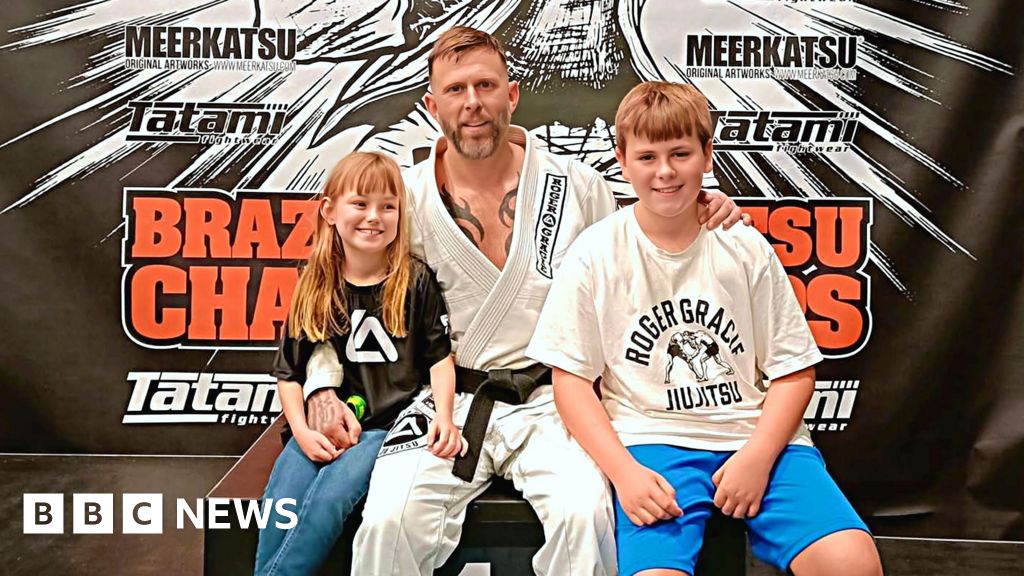
A recent first-hand account detailing an athlete’s struggle with alcohol dependency has brought renewed attention to the hidden pressures within competitive Brazilian jiu-jitsu. The narrative, which centers on the experience of maintaining sobriety exclusively for the duration of high-stakes martial arts tournaments, highlights the complex relationship between elite athletic performance and substance misuse. By compartmentalizing sobriety as a requirement for competition, the athlete underscores the often-unseen challenges faced by practitioners operating at the highest levels of the sport.
For many competitors, the rigorous demands of training, weight cutting, and mental preparation create a cycle where performance is prioritized above personal health. In this specific case, the individual described using alcohol as a coping mechanism during off-season periods, only ceasing consumption when the immediate pressure of a tournament necessitated peak physical condition. This pattern of behavior is not unique to combat sports but remains a critical area of concern for governing bodies and athlete support networks worldwide, as reported by the BBC.
The Cycle of Performance and Avoidance
The psychological toll of competitive jiu-jitsu often involves a high degree of isolation. Athletes frequently navigate intense training camps that require strict adherence to dietary and physical protocols. When these protocols are lifted following a major event, some practitioners report a period of significant emotional letdown. According to records from the International Brazilian Jiu-Jitsu Federation (IBJJF), the sport demands extreme consistency, which can inadvertently lead to compensatory behaviors once the immediate goal is achieved.
The athlete’s admission that they were only sober during competition periods suggests a “functional” approach to addiction that masks deeper issues. By maintaining sobriety only when the consequences of failure—such as injury or poor performance—were immediate, the individual was able to sustain their career while struggling privately. This behavior mirrors findings in broader sports psychology, where the structure of a competitive season provides a temporary, rigid framework that can collapse once the season ends.
Mental Health in Combat Sports
Addressing mental health within the Brazilian jiu-jitsu community has become a priority for many gyms and international organizations. The culture of “toughness” often acts as a barrier to seeking help for substance use disorders. Medical professionals note that the physical nature of the sport can sometimes lead to a reliance on substances to manage chronic pain, anxiety, or the stress of public competition. The World Anti-Doping Agency (WADA) maintains strict guidelines regarding substances, but these regulations primarily target performance enhancement rather than the underlying causes of recreational substance use.
The shift in narrative, where athletes feel comfortable sharing their struggles with dependency, marks a significant change in the sport’s culture. Increased transparency allows for better peer support and encourages younger athletes to seek help before their struggles escalate into long-term health crises. Establishing a supportive environment where athletes can discuss their mental health without fear of stigma or professional repercussions remains a primary objective for the sport’s leadership.
Support Resources and Next Steps
Athletes experiencing similar challenges have access to several international resources designed to provide confidential guidance. Organizations such as the Athletes for Hope provide platforms for professional and amateur sportspeople to address mental health and substance abuse issues. These support systems are essential for bridging the gap between the high-pressure environment of the mat and the reality of daily life.
The next phase for the sport involves the implementation of standardized wellness programs that extend beyond mere physical training. As federations continue to monitor the well-being of their competitors, further updates regarding mental health initiatives are expected to be discussed at upcoming IBJJF board meetings. Readers interested in the ongoing development of these athlete support policies should monitor official announcements from their regional jiu-jitsu affiliates. If you or someone you know is struggling with substance use, please consult local health services or qualified mental health professionals for support.
Related reading