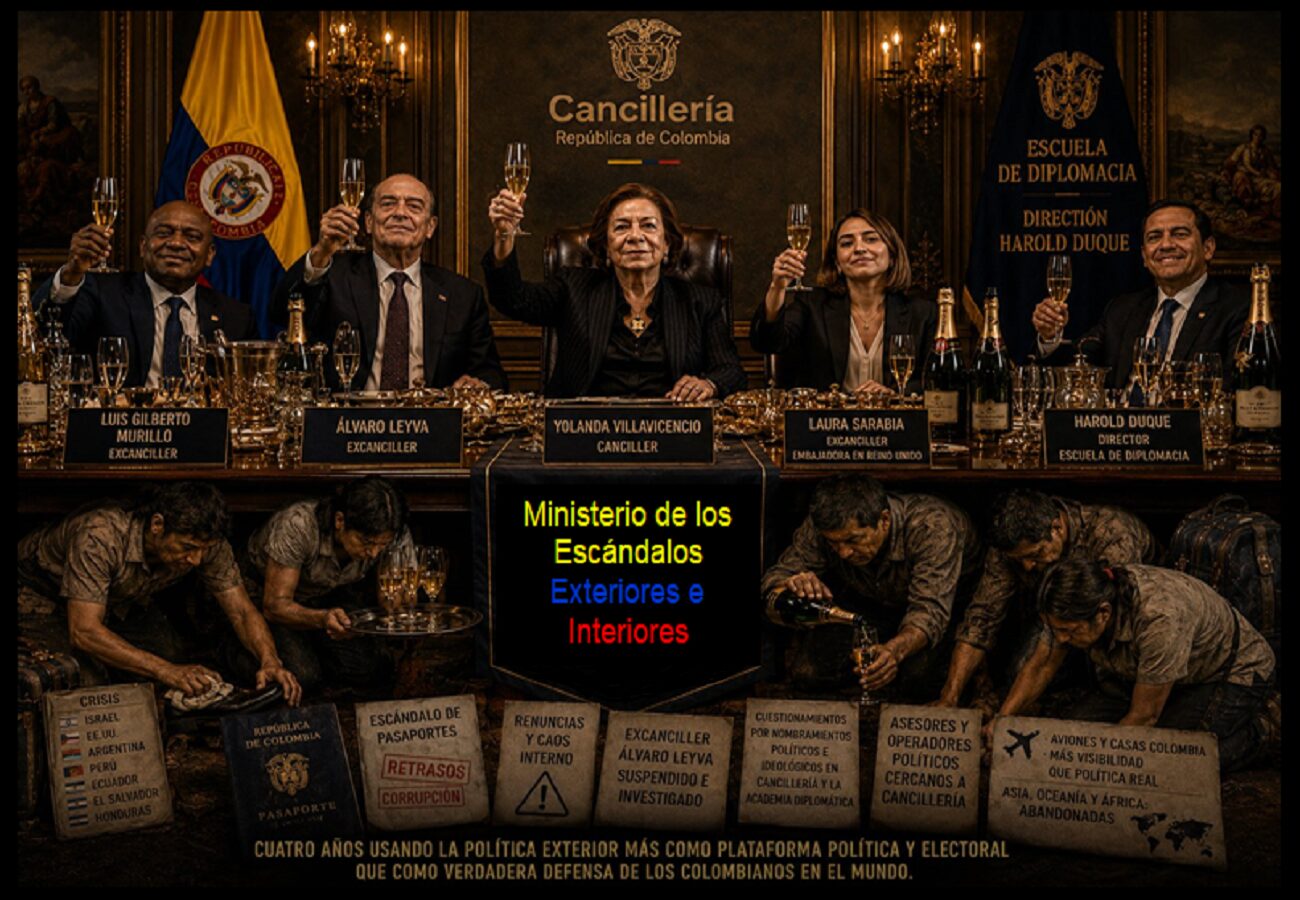
The landscape of Colombian foreign policy has undergone a profound transformation, moving from a period of established hemispheric cooperation to what observers describe as a state of permanent diplomatic crisis. As the country navigates an increasingly complex international environment, the management of its external relations has become a focal point of intense scrutiny both within the Andean nation and among its traditional partners.
For decades, Colombia served as a primary security and economic partner for the United States in South America, anchored by a shared strategy regarding counter-narcotics and regional stability. However, the current administration’s approach to global engagement—marked by shifting priorities and a departure from historical consensus—has fundamentally altered these long-standing dynamics. The resulting friction has raised significant questions regarding the future of Colombia’s diplomatic standing and its ability to maintain the institutional partnerships that once defined its role on the world stage.
The Evolution of a Diplomatic Strategy
To understand the current tension, one must look at the historical framework of the bilateral relationship. Following the initiation of Plan Colombia in 2000, the partnership was characterized by a heavy investment in military cooperation, state-building, and a unified approach to the war on drugs. During this era, the alignment between Washington and Bogotá was considered a model for hemispheric security, resulting in a documented decline in coca production, which fell from over 163,000 hectares in 2000 to under 50,000 hectares by 2012.
By the mid-2010s, however, the consensus that fueled this cooperation began to face internal and external pressures. The 2016 Peace Accords signaled a pivot toward rural development and a departure from previous strategies, such as aerial fumigation. This shift in policy direction marked the beginning of a broader re-evaluation of how Colombia engages with international stakeholders, moving away from the security-first model that had previously dictated the terms of the relationship.
A Shift Toward Confrontation
In recent years, the nature of these diplomatic exchanges has shifted from private negotiation to public confrontation. The erosion of formal diplomatic channels has left a void, often filled by high-profile disputes that have drawn global attention. This transition has complicated the ability of the Colombian Cancillería to execute a cohesive foreign policy, as the government faces the dual challenge of addressing domestic expectations while managing the fallout from strained international ties.
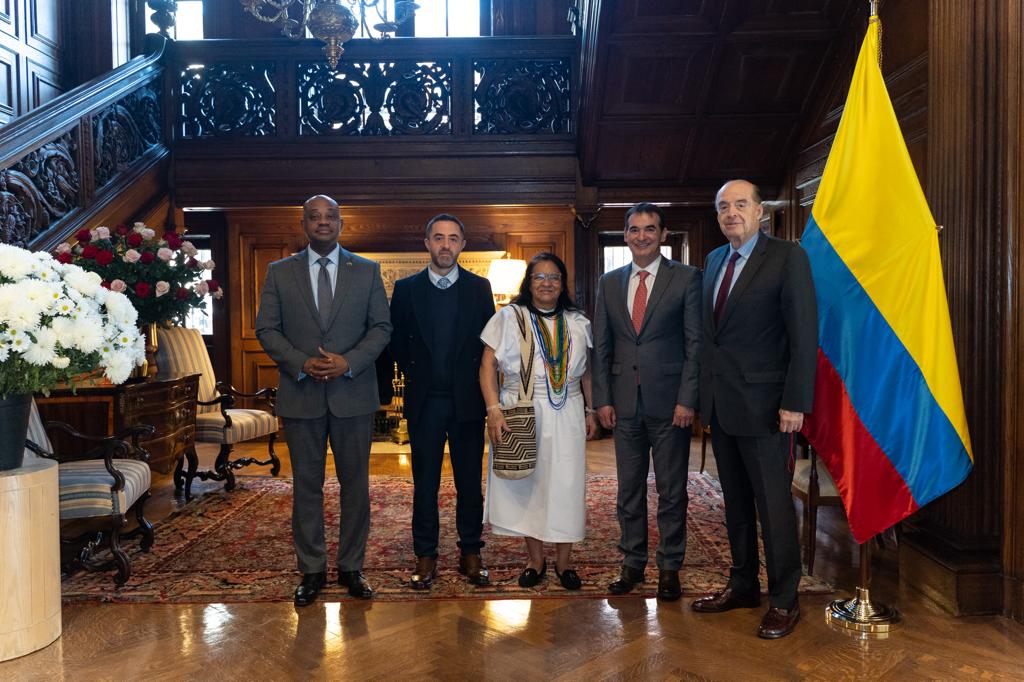
The impact of this shift is felt across multiple sectors, from trade and economic investment to security cooperation. When formal communication breaks down, the uncertainty created by the lack of clear, consistent policy signals can deter foreign investment and weaken institutional alliances. For a nation that relies heavily on its ability to project stability and attract global capital, the move toward a more volatile foreign policy presents long-term economic risks that policymakers are now being forced to confront.
Key Factors Influencing Current Relations
- Policy Realignment: The transition from a security-centric framework to one focused on rural reform and alternative development strategies.
- Institutional Friction: The degradation of traditional diplomatic channels that once served as the primary mechanism for resolving bilateral disputes.
- Public Discourse: The increasing role of social media and public rhetoric in shaping the perception of state-to-state relations.
- Economic Implications: The potential for trade volatility and the uncertainty surrounding long-term investment partnerships.
Looking Ahead: The Path to Institutional Stability
As of May 2026, the challenge for the Colombian government remains the restoration of a predictable and effective diplomatic strategy. The current environment necessitates a return to institutional dialogue, where complex issues regarding security, economic development, and human rights can be addressed through formal channels rather than public disputes. The ability to reconcile domestic political imperatives with the requirements of international diplomacy will be the defining test for the administration in the coming months.
For stakeholders monitoring the situation, the focus remains on the upcoming high-level meetings and official government statements that may signal a shift toward a more stable, conventional approach to foreign relations. The restoration of trust with traditional partners will likely require a sustained commitment to transparency and a clear articulation of policy goals that align with international norms. As the situation continues to evolve, observers will be watching for signs of whether the current period of crisis will lead to a fundamental restructuring of Colombia’s external engagement or if the country will continue to navigate this period of heightened geopolitical friction.
We invite our readers to share their analysis on the future of regional diplomacy in the comments section below. Stay tuned for further updates as more information becomes available through official government filings and upcoming diplomatic summits.
Worth a look