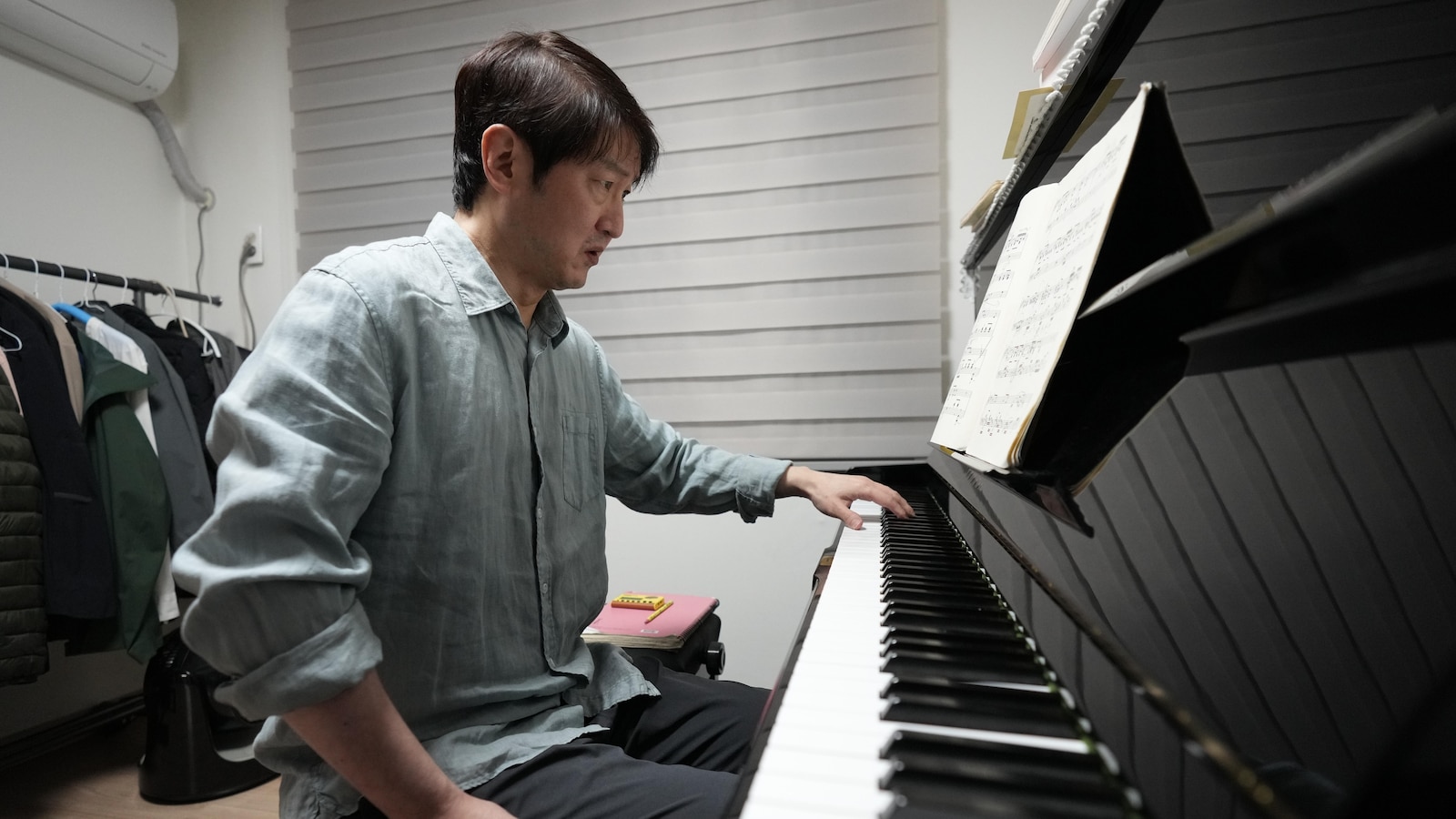
In April 2026, South Korean pianist Lee Hun prepared for a significant milestone in his remarkable journey: his first joint performance with an orchestra at an international music festival. This event marked a profound evolution from the uncertain days following his debilitating stroke in 2012, which had left him with right-side paralysis and initially cast doubt on his ability to walk, let alone perform.
Lee Hun’s story began to shift in earnest after a pivotal conversation with his former piano teacher, Chun Yung Hae, in 2013. During that meeting, the mentor introduced him to the extensive repertoire available for left-hand-only piano performance—a revelation that reignited his connection to music. What followed was years of intensive, focused practice, allowing him to rebuild his technique and artistry using only his left hand.
By 2026, Lee Hun had established himself as South Korea’s only known professional pianist performing exclusively with one hand. His return to the concert stage was not merely a personal triumph but also a testament to adaptive artistry in the face of physical adversity. Speaking with The Associated Press at his Seoul home ahead of the upcoming orchestral collaboration, he expressed a mixture of anticipation and vulnerability: “I’m so, so nervous I could die,” he said with a smile. “It’s just one concerto but working with an orchestra has its own difficulties.”
The stroke that altered Lee Hun’s life occurred in August 2012 although he was a doctorate candidate at the University of Cincinnati’s music school. Medical reports indicated the event damaged approximately 60% of his brain’s left hemisphere, resulting in the loss of movement in his right arm and leg, alongside temporary aphasia. He was subsequently flown back to South Korea in a wheelchair, where his family faced the profound challenge of supporting his recovery.
His father, Lee Hae Chang—a revered figure in South Korean baseball—recalled the initial aftermath, noting that Lee Hun did not immediately recognize him upon arrival. His mother, Poong Ok Hee, described the emotional toll on the household, including frequent mood swings and resistance to care during the early stages of rehabilitation. These familial struggles underscored the widespread impact of neurological trauma beyond the individual patient.
Yet, amidst these challenges, tiny victories began to accumulate. The decision to return to the piano represented a psychological turning point. As Lee Hun himself reflected, “After the stroke, I didn’t even imagine playing the piano. I only thought about whether I could stand on my feet again.” The shift from basic mobility to artistic reclamation illustrated the nonlinear nature of recovery, where motivation often emerges from unexpected sources.
His preparation for the orchestral performance involved navigating fresh complexities inherent in ensemble playing. Unlike solo recitals, where tempo and phrasing are solely the performer’s domain, orchestral collaboration demands precise synchronization with conductors and fellow musicians. For a pianist relying on one hand, this balance requires not only technical mastery but also deep trust in the ensemble’s responsiveness.
The upcoming festival performance signified more than a personal checkpoint; it highlighted evolving possibilities within adaptive music performance. Lee Hun’s journey contributes to a growing narrative of artists redefining their relationships with their instruments after life-altering medical events. His story resonates with broader conversations about accessibility, resilience, and the redefinition of virtuosity in contemporary classical music.
As of mid-April 2026, Lee Hun continues to rehearse for the collaborative concerto, refining both musical interpretation and physical coordination with the orchestra. No further public announcements regarding additional performances or recordings have been made available through verified channels at this time.
For readers interested in following Lee Hun’s artistic journey or learning more about adaptive music performance, reputable sources such as The Associated Press and major international music festivals regularly update their coverage of inclusive arts initiatives.
We invite you to share your thoughts on stories of artistic resilience in the comments below. If you found this account meaningful, consider sharing it with others who might appreciate its message of perseverance and creative adaptation.
Worth a look