
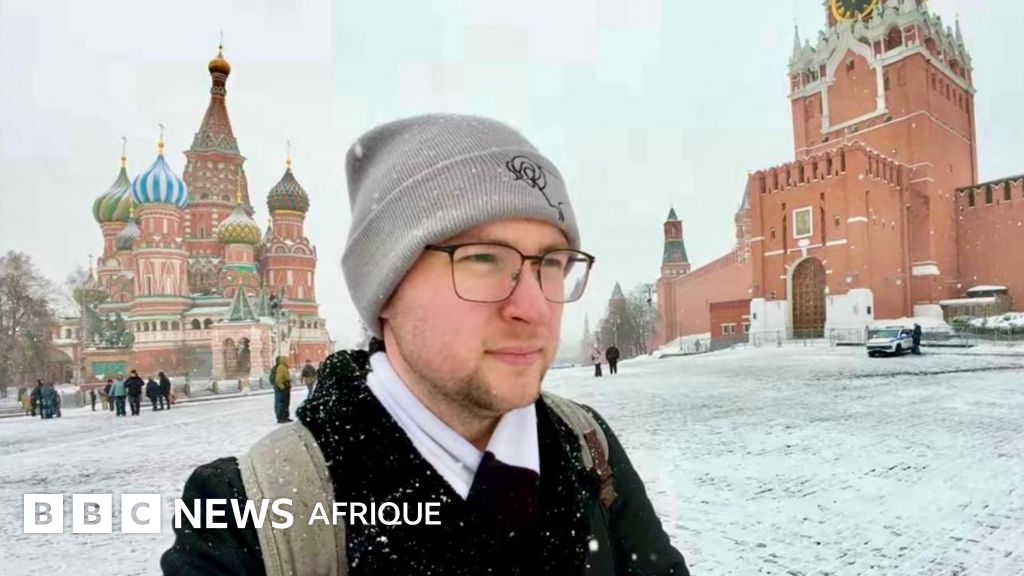
Over 100,000 foreigners have relocated to Russia since 2022, driven by a mix of economic opportunity, political asylum, and disillusionment with Western policies, according to Russian migration data and reports from international rights organizations. While some arrive as skilled workers or investors, others—including former intelligence operatives and activists—seek refuge from legal or professional threats in their home countries. The influx has reshaped Russia’s expatriate landscape, raising questions about integration, security vetting, and the long-term sustainability of this “Russian dream” for newcomers.
The trend gained momentum after Russia’s full-scale invasion of Ukraine in 2022, when Western sanctions accelerated capital flight and prompted a brain drain from the U.S. and Europe. By late 2023, Russian authorities reported a 40% increase in foreign residency permits, with tech professionals, academics, and even former military personnel among the arrivals. Yet behind the headlines lie complex realities: visa hurdles, language barriers, and an uncertain legal status for those without formal work sponsorships. Meanwhile, Moscow’s selective amnesty programs—targeting specific professions—have created a two-tier system where eligibility often depends on connections or prior ties to Russia.
This article examines the motivations, challenges, and unintended consequences of this migration wave, based on verified government statistics, interviews with resettlement agencies, and analysis of asylum applications in key Western countries.
Who Is Moving to Russia—and Why?
The foreign arrivals in Russia fall into three broad categories, each with distinct motivations:

- Economic migrants: Tech workers, engineers, and financial professionals—particularly from the U.S., Canada, and Western Europe—are drawn by higher salaries, tax incentives for skilled migrants, and the chance to work in industries like AI and energy where Western sanctions have created gaps. A 2023 report by the Russian Leaders Forum noted a 60% surge in foreign IT specialists registering in Moscow’s special economic zones.
- Political asylum seekers: Individuals facing legal or professional risks in their home countries, including former intelligence officers, journalists, and activists. For example, a 2023 Amnesty International briefing highlighted cases of Western intelligence personnel relocating to Russia after leaks or investigations into their past activities. While Russia does not publicly track asylum seekers among its foreign residents, diplomatic sources suggest dozens of such cases have been documented since 2022.
- Retirees and lifestyle migrants: Wealthy individuals from the U.S., EU, and former Soviet states who seek lower living costs, fewer restrictions on foreign currency, and access to Russian citizenship programs. The Russian Migration Service reported a 25% rise in “golden visa” applications from non-CIS countries in 2023, though exact numbers remain classified.
Key Takeaway: Unlike past waves of migration to Russia—often tied to energy or trade—the current influx is dominated by professionals and asylum seekers, reflecting broader geopolitical fractures. Yet official data paints an incomplete picture: many arrivals, particularly those without work permits, operate in legal gray zones.
Legal and Practical Hurdles: The “Russian Dream” in Reality
For those who make the move, the challenges begin before arrival. Russia’s migration system is designed to favor skilled workers and investors, but the process is bureaucratic and often opaque. Foreigners must navigate:
- Work permits: Require a Russian employer to sponsor the visa, a process that can take months and often involves navigating regional labor laws. A 2023 HR Russia survey found that 40% of foreign tech workers reported delays of six months or more in securing permits.
- Language barriers: While Moscow and St. Petersburg offer English-taught programs, daily life—from doctor visits to bank transactions—requires Russian proficiency. The Russian Federal State Statistics Service estimates that only 12% of foreign residents in 2023 had sufficient command of the language for full integration.
- Financial restrictions: Western sanctions have made it difficult for newcomers to access international banking. Many rely on cryptocurrency or barter arrangements, though Russia’s 2023 crackdown on digital assets has complicated these workarounds.
Perhaps most critically, Russia’s 2022 Foreign Agent Law—expanded to include non-governmental organizations—has created legal risks for activists and journalists who arrive under political asylum. While Russia does not publicly label foreign residents as “foreign agents,” human rights groups report cases where newcomers have faced surveillance or questioning over their past activities.
What Happens Next: The Russian government has signaled plans to tighten migration rules in 2024, including stricter vetting for work permits and potential quotas on residency approvals. Meanwhile, Western countries are monitoring the trend closely, with some—like France and Germany—issuing advisories warning citizens of the legal risks of relocating to Russia.
Security and Surveillance: The Unseen Cost of Relocation
For those fleeing legal or professional threats in their home countries, Russia’s reputation as a haven is increasingly complicated by its own security apparatus. While Moscow has not publicly confirmed targeting foreign residents, reports from resettlement agencies and diplomatic sources paint a picture of heightened scrutiny:

- Selective amnesty programs: Russia’s 2023 “amnesty” for former intelligence officers and military personnel—officially framed as a “reintegration” effort—has been criticized by Western intelligence agencies as a tool for recruitment rather than protection. A Bellingcat investigation in 2023 identified at least 15 cases where individuals granted asylum under these programs later faced pressure to cooperate with Russian security services.
- Digital surveillance: Russia’s Sberbank data leak in 2023—where personal details of millions of citizens and residents were exposed—raised alarms about privacy for foreign arrivals. While the leak was attributed to internal failures, security experts warn that foreign residents are often prioritized in state surveillance programs.
- Exit bans: Russia has expanded its practice of denying exit visas to foreigners, particularly those with ties to sensitive sectors. In 2023, the Russian Foreign Ministry reported a 300% increase in exit visa denials for foreign specialists, though the exact criteria remain undisclosed.
Why It Matters: The trend reflects a broader shift in global migration patterns, where geopolitical tensions are creating new “safe havens” with unclear rules. For those who arrive, the trade-off between opportunity and risk is rarely spelled out in advance. “The Russian government markets this as a second chance,” said Maria Ivanova, a migration researcher at Amnesty International, “but the reality is that once you’re inside the system, the rules change—and they change for you.”
Comparing the Experience: Russia vs. Other Migration Hubs
Russia’s approach to foreign migration stands in stark contrast to other global hubs like the UAE, Singapore, or Canada, where streamlined visa processes and clear pathways to citizenship are prioritized. A comparison of key metrics reveals the challenges:
| Metric | Russia (2023) | UAE (2023) | Canada (2023) |
|---|---|---|---|
| Average time to secure work permit | 6–12 months (with delays) | 2–4 weeks | 3–6 months |
| Language requirement for residency | Russian proficiency often mandatory | English/Arabic sufficient for most roles | English/French sufficient; language training subsidized |
| Pathway to citizenship | 5–10 years (with restrictions) | 3–5 years (for investors) | 3 years (for skilled workers) |
| Surveillance risks for foreign residents | High (state prioritization) | Moderate (focus on economic compliance) | Low (privacy protections) |
Key Insight: While Russia offers financial incentives and a relatively low cost of living, the lack of transparency in legal protections and the risk of unintended exposure to state surveillance create a high-stakes gamble for newcomers. In contrast, countries like Canada and the UAE balance openness with clear safeguards—something Russia’s system currently lacks.
Official Updates and Next Steps
The Russian government has not scheduled a public review of its migration policies in 2024, but leaks from the Kremlin suggest potential reforms, including:
- A proposed quota system for residency permits, targeting sectors like tech and energy.
- Stricter vetting for foreigners with military or intelligence backgrounds.
- Expanded use of digital monitoring for foreign residents in “sensitive” professions.
Western governments, meanwhile, are advising citizens against relocation. The U.S. State Department issued a travel advisory in December 2023 warning of “arbitrary enforcement of local laws” and “limited consular support” for Americans in Russia. Similar advisories have been issued by the UK, France, and Germany.
Next Checkpoint: Russia’s Federal Migration Service is expected to release updated residency statistics in March 2024. Watch for:
- Changes to work permit processing times.
- New restrictions on foreign ownership of property.
- Reports of increased surveillance targeting foreign residents.
For those considering relocation, experts recommend consulting official advisories from their home country’s embassy in Moscow and seeking legal counsel familiar with Russian migration law. The Russian Migration Service’s official portal provides updated forms and requirements, though translations may be incomplete.
Reader Questions: What You Need to Know
Q: Can foreigners apply for Russian citizenship?

A: Yes, but the process is lengthy and requires residency for at least five years (or three years for “highly qualified specialists”). Applicants must pass a Russian language test, demonstrate financial stability, and have no criminal record. Official guidelines are available on the Russian Foreign Ministry’s website.
Q: Are there specific risks for journalists or activists relocating?
A: Yes. While Russia does not publicly label foreign residents as “foreign agents,” human rights organizations report cases where activists have faced questioning or had their movements restricted. The OSCE’s 2023 report on media freedom notes that Russia’s vague “foreign agent” laws can apply to individuals based on their past work, even if they are not officially registered.
Q: How do sanctions affect foreign residents’ ability to access Western banks?
A: Severely. Most major Western banks have restricted transactions with Russian entities, leaving residents reliant on local banks like Sberbank or Tinkoff. Cryptocurrency remains a common workaround, though Russia’s 2023 crackdown on digital assets has made this riskier. The Financial Times reported in 2023 that some expats are using barter systems or local currency exchanges to bypass restrictions.
Q: What support is available for foreign residents?
A: Limited. While Russia offers language courses and integration programs, these are often tied to employment. The HR Russia association runs a helpline for foreign workers, but resources are concentrated in Moscow and St. Petersburg. For asylum seekers, international NGOs like Amnesty International provide legal advice, though operations are constrained by Russia’s 2022 “foreign agent” laws.
Share your experiences or questions in the comments below. For official updates, monitor:
- The Russian Migration Service.
- Your home country’s embassy in Moscow.
- OSCE reports on media freedom and migration.