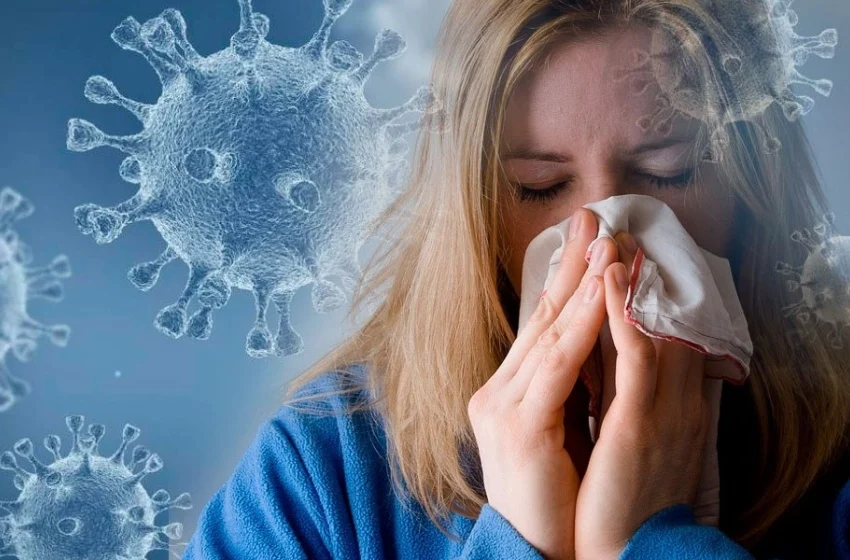
While no single fruit can cure the flu or physically “clean” the lungs of toxins, dietary choices play a significant role in supporting immune function and managing respiratory symptoms. Nutritional experts emphasize that consistent intake of vitamin-rich foods, particularly those high in Vitamin C and antioxidants, helps the body maintain the inflammatory response necessary to recover from viral infections, according to the Harvard T.H. Chan School of Public Health.
When dealing with seasonal influenza or general respiratory distress, the goal of nutrition is to provide the body with the metabolic tools required to repair tissues and combat pathogens. While social media often highlights specific “miracle” fruits for lung health, medical evidence suggests that a diverse intake of fruits—rather than a single variety—provides the most robust support for pulmonary function and immune resilience.
The Role of Nutrition in Respiratory Recovery
Respiratory health is heavily dependent on an adequate supply of antioxidants, which protect lung tissue from oxidative stress caused by inflammation. During a viral illness like the flu, the body experiences increased oxidative demand. Fruits such as oranges, kiwis, and strawberries are high in Vitamin C, a micronutrient that supports the function of various cellular components of both the innate and adaptive immune systems, as noted by the National Institutes of Health (NIH) Office of Dietary Supplements.
It is a common misconception that fruit can act as a mechanical cleanser for the lungs. In reality, the lungs possess their own sophisticated defense mechanisms, including cilia and mucus production, which clear debris and pathogens. Nutritionists suggest that maintaining systemic hydration and sufficient intake of vitamins A, C, and E helps these biological processes function efficiently. According to the American Lung Association, while diet cannot replace medical treatment for the flu, healthy eating habits are essential for maintaining the immune strength needed to prevent complications like pneumonia.
Evaluating Claims of “Superfoods” for Immune Support
Public interest in “the world’s healthiest fruit” often leads to the promotion of specific items, such as the acerola cherry or camu-camu, due to their exceptionally high Vitamin C concentrations. While these fruits are nutrient-dense, no single food item acts as a standalone remedy for influenza or chronic lung conditions. The World Health Organization (WHO) consistently recommends a balanced diet rich in fruits, vegetables, legumes, and nuts to ensure a comprehensive intake of essential micronutrients.
Relying on one fruit to address respiratory symptoms can be counterproductive if it leads to a lack of dietary variety. For patients recovering from a respiratory infection, medical professionals generally recommend:
- Hydration: Increasing fluid intake to thin mucus and aid in its expulsion.
- Vitamin C Sources: Incorporating citrus, bell peppers, and berries to support immune cell activity.
- Anti-inflammatory Foods: Focusing on whole foods that reduce systemic inflammation, which can exacerbate respiratory discomfort.
Evidence-Based Approaches to Flu Management
For individuals currently experiencing flu symptoms, the clinical priority is symptom management and the prevention of secondary infections. According to the Centers for Disease Control and Prevention (CDC), the most effective ways to manage the flu include rest, hydration, and the use of antiviral medications when prescribed by a physician within the first 48 hours of symptom onset.
There is currently no clinical evidence supporting the idea that consuming a specific fruit can “clean” the lungs in the way that medical procedures or respiratory therapies address airway obstruction. Patients with persistent coughs, shortness of breath, or high fevers should seek guidance from a licensed healthcare professional rather than relying on dietary interventions alone.
The next official update regarding seasonal influenza trends and public health guidance will be issued by the World Health Organization’s Global Influenza Programme. Readers are encouraged to monitor local health department advisories for vaccination schedules and diagnostic resources in their area.
Have you found specific dietary changes helpful during recovery? Share your experiences or questions in the comments below.