
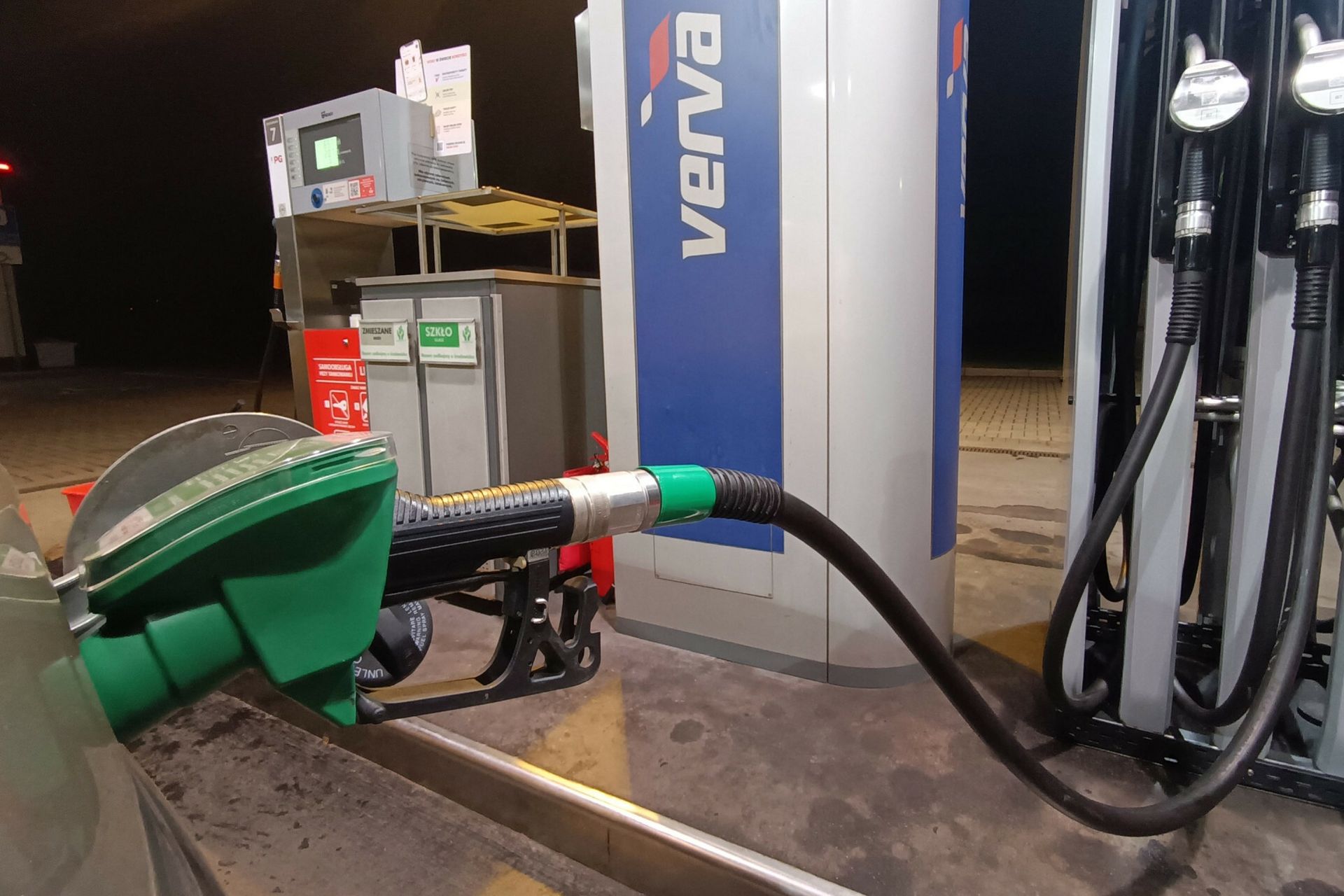
Polish motorists are facing renewed volatility at fuel stations following the conclusion of various temporary support measures and shifting global crude oil trends. According to recent market analysis, retail prices for petrol and diesel are fluctuating as supply chains adjust to both domestic policy changes and international market pressures. Drivers are advised to monitor local station pricing closely as regional disparities in fuel costs persist into the current week.
Drivers Face Price Adjustments at the Pump
The current landscape for fuel pricing in Poland is characterized by an end to specific government-backed relief programs that had previously stabilized costs for consumers. Market analysts note that as these measures expire, fuel wholesalers and retailers are adjusting their margins, leading to noticeable shifts at the pump. According to data tracked by industry observers, the cost of unleaded petrol and diesel is experiencing upward pressure, driven largely by the transition away from state-subsidized price caps that were implemented during periods of high inflation.

The Polish Ministry of Climate and Environment continues to monitor these developments, emphasizing that fuel prices remain largely dependent on the global price of crude oil and the exchange rate of the Polish złoty against the US dollar. While some segments of the market have seen slight decreases in wholesale prices, these savings are not always immediately reflected in retail costs due to the time lag inherent in supply chain logistics.
Factors Influencing Current Fuel Costs
Several variables are contributing to the ongoing fluctuations at filling stations across the country. One primary factor is the global price of Brent crude, which serves as a benchmark for European markets. When global oil prices rise, domestic retailers typically pass these costs to the consumer within a few days. Furthermore, the weakening of the local currency against major international benchmarks can increase the cost of importing refined fuels, a reality that has impacted domestic energy policy over the past quarter.

Industry experts observe that fuel retailers often maintain higher margins during periods of economic uncertainty to protect against future price spikes. This practice, while standard in competitive markets, can result in sustained high prices for motorists even when wholesale costs begin to stabilize. According to recent reports from the e-petrol.pl market monitoring service, the price gap between different regions in Poland remains significant, influenced by local competition and proximity to major distribution hubs.
What Motorists Can Expect in the Coming Week
Market forecasts for the next seven days suggest a period of stabilization, though significant price drops remain unlikely for most regions. While some analysts have noted a softening in the price of specific additives and components used in diesel production, the overall retail price is expected to stay within the current elevated range. Motorists are encouraged to utilize mobile applications and online price-tracking platforms to identify stations offering the most competitive rates in their immediate vicinity.
The Office of Competition and Consumer Protection (UOKIK) remains the primary body responsible for ensuring that fuel retailers do not engage in price-fixing or anti-competitive behavior. Consumers who suspect artificial price manipulation at local stations are encouraged to report these concerns through official government channels. As the market moves into the next phase of the summer travel season, demand for fuel is expected to remain high, which may prevent any substantial downward movement in pricing until the end of the month.
Summary of Current Market Conditions
- Price Volatility: Retail prices are reacting to the removal of temporary government financial support measures.
- Global Influence: Fluctuations in Brent crude oil and the USD/PLN exchange rate remain the primary drivers of domestic pump costs.
- Regional Differences: Local competition and logistics costs continue to create price variations between different voivodeships.
- Consumer Guidance: Official monitoring continues, with authorities advising drivers to compare prices before refueling to mitigate the impact of current increases.
The next major update on fuel market trends is expected to be released by industry analysts early next week. Readers are invited to share their experiences with fuel pricing in their local areas in the comments section below to help create a clearer picture of the national landscape.
