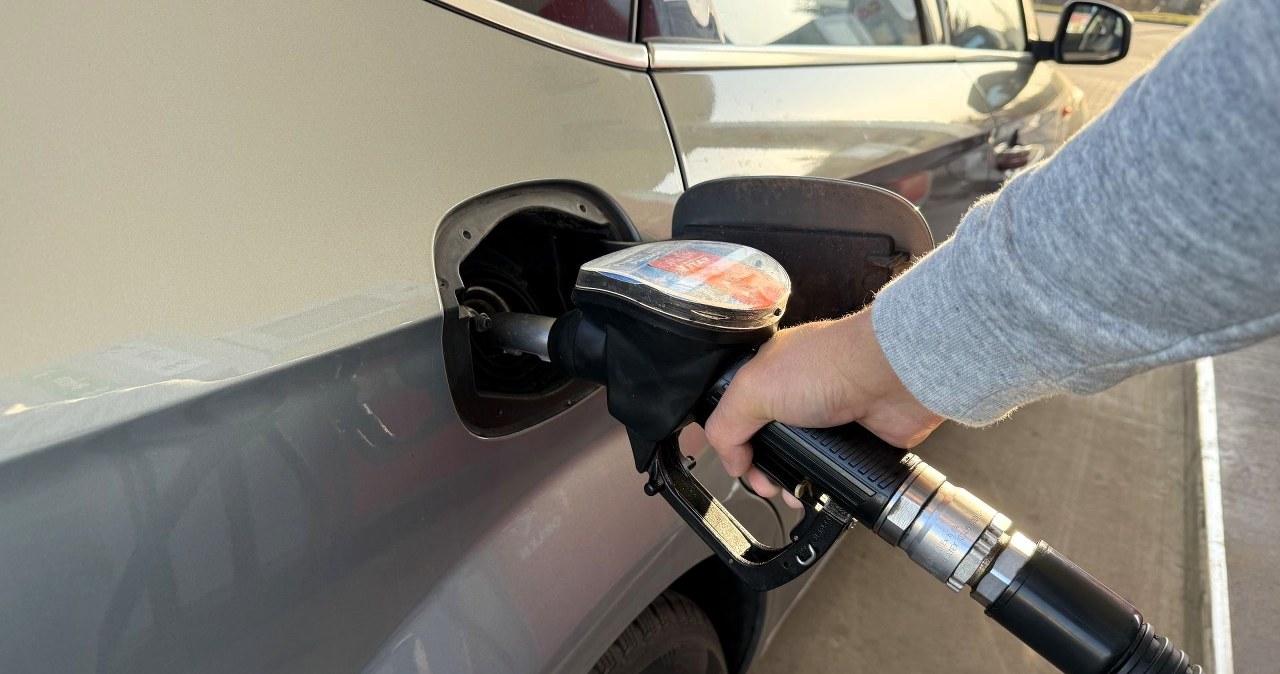
Polish motorists are facing continued volatility in fuel pricing as market fluctuations drive shifts at the pump, with the latest data confirming that fuel costs remain a critical concern for both individual consumers and the broader domestic economy. According to recent reports from market analysts, the retail price of 95-octane gasoline, diesel, and LPG continues to reflect global oil market trends and domestic supply chain pressures, leading to a consistent pattern of price adjustments at service stations across the country.
The current market environment, characterized by what some analysts describe as a significant sensitivity to international crude oil benchmarks, has resulted in retail fuel prices frequently hovering near the six-zloty threshold per liter. As monitored by the PKN Orlen wholesale price index, these retail figures are ultimately dictated by a combination of global supply-demand dynamics and local taxation policies. Drivers are advised to monitor regional variations, as pricing can differ significantly depending on the operator and the specific location of the station.
Drivers of Current Fuel Price Volatility
The primary factor influencing the cost of fuel for Polish consumers is the price of oil on international commodity exchanges, specifically the Brent crude benchmark. When global production levels fluctuate or geopolitical tensions rise, the cost of importing crude oil into Poland increases, which is then passed down through the wholesale market to individual retail stations. Data from the International Energy Agency (IEA) underscores that Poland’s reliance on imported energy resources necessitates a high degree of integration with these global price mechanisms, leaving domestic consumers vulnerable to external shocks.

Beyond global crude prices, local operational costs play a significant role. These include the logistical expenses associated with transporting fuel from refineries to stations, as well as labor costs and regional taxes. According to the Ministry of State Assets, which oversees the nation’s major energy producers, the government maintains a regulatory framework intended to ensure energy security, though this does not preclude market-driven price increases. Consumers are currently observing a trend where the price per liter for standard 95-octane gasoline is consistently reaching or exceeding the 6.00 PLN mark, a psychological and financial barrier for many households.
What Consumers Should Expect at the Pump
For the average motorist, the immediate outlook remains one of caution. While authorities have periodically implemented temporary measures to mitigate the impact of rising energy costs—such as the previous reductions in VAT on fuel products—most of these emergency interventions have transitioned toward more permanent fiscal policies. The Ministry of Finance has emphasized that long-term price stability is dependent on a broader economic strategy rather than short-term subsidies, which were largely phased out as inflationary pressures stabilized throughout the previous fiscal year.
Market observers suggest that the absence of direct government subsidies means that retail prices will continue to track closely with the wholesale prices set by major domestic distributors. For commuters and logistics companies, this means that budgeting for transport costs requires a flexible approach. Those seeking the most competitive rates are encouraged to utilize real-time price-tracking applications and official station websites, which provide the most accurate, up-to-the-minute data on local fuel availability and current pricing structures.
Comparing Current Trends to Historical Data
A comparative analysis of fuel prices over the last 18 months reveals a period of relative stabilization following the extreme price spikes observed during the initial energy crisis of 2022. While current prices remain elevated compared to pre-2020 averages, they have avoided the rapid, daily fluctuations that characterized the height of the market disruption. According to the Statistics Poland (GUS), fuel price inflation has been a variable component of the consumer price index (CPI), though it is currently less volatile than food or energy utility costs.
This relative stability does not imply that prices will trend downward in the near future. Instead, the market appears to have reached a “new normal” where the six-zloty price point serves as a baseline for standard fuel grades. Analysts note that this floor is likely to persist as long as international crude prices remain within their current range, barring any unforeseen disruptions in global supply chains or significant changes to national energy tax legislation.
Future Outlook and Regulatory Oversight
Looking ahead, the next significant checkpoint for fuel policy will involve the ongoing discussions regarding the transition to renewable energy sources and the potential for new environmental levies on fossil fuels. The European Commission continues to push for member states to align their national energy policies with broader climate goals, which may eventually impact the cost of traditional gasoline and diesel. These regulatory shifts are expected to be gradual, providing the market with time to adjust to new environmental standards.
For those interested in the latest developments, official updates regarding energy policy and market regulations are published periodically by the government. We encourage readers to share their experiences with local fuel pricing in the comments section below and to stay informed by following official announcements from the relevant regulatory bodies. Your engagement helps foster a better understanding of how these macroeconomic factors impact our daily lives.