
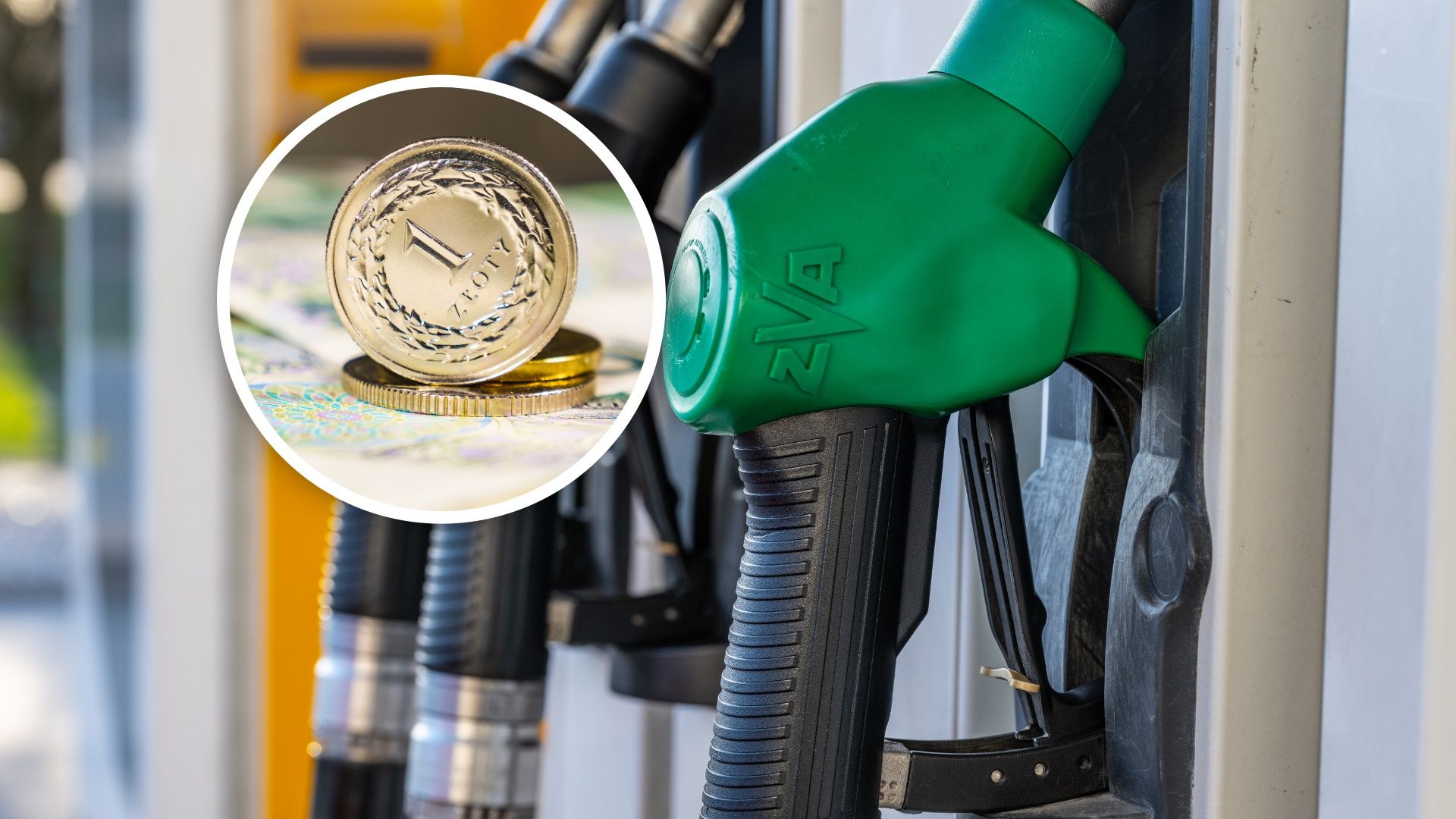
Polish drivers face a significant shift in fuel market dynamics as the government transitions away from temporary fiscal interventions that had previously capped consumer costs. According to official statements from the Ministry of Finance, the restoration of standard value-added tax (VAT) rates on motor fuels represents a return to pre-crisis fiscal policy, ending a period of state-mandated price suppression. This adjustment, which officially took effect following the expiration of the “Anti-Inflation Shield,” marks a return to the standard 23% VAT rate, directly impacting the final price at the pump for both gasoline and diesel across the country.
The adjustment follows a period of volatile global energy markets that saw crude oil prices fluctuate significantly since early 2022. As reported by the International Energy Agency, global supply chain pressures and geopolitical tensions, particularly regarding production quotas and regional conflicts, have historically influenced Polish pump prices more than local regulatory caps. For the average motorist, the removal of the VAT reduction means that fuel retailers are no longer restricted by temporary government-imposed ceilings, allowing market competition and international commodity prices to dictate local pricing structures once again.
The Shift from State-Regulated Pricing
For several months, the Polish government utilized a combination of excise duty cuts and VAT reductions to mitigate the impact of rising inflation on household budgets. Data from the Statistics Poland (GUS) confirms that these measures were categorized as temporary relief efforts designed to stabilize the economy during peak inflationary pressure. With the expiration of these mandates, the market has transitioned to a standard pricing model where the Office of Competition and Consumer Protection (UOKiK) monitors for anti-competitive behavior rather than setting price limits.

Market analysts note that while the tax increase is a fixed component, the final price remains sensitive to the “crack spread”—the difference between the price of crude oil and the refined products. Because Poland imports a significant portion of its crude oil, the PKN Orlen refinery pricing strategy remains the primary driver of retail costs. Consumers are encouraged to monitor local fuel apps and comparison tools, as the removal of official caps has led to increased price dispersion between different regions and fuel stations.
Understanding the Impact on Household Budgets
The return to the 23% VAT rate represents a tangible increase in the cost per liter, calculated by the difference between the prior reduced rate and the statutory national rate. According to calculations provided by the Ministry of Finance, the fiscal change was programmed to ensure that public revenues align with long-term budgetary requirements. For the average passenger vehicle with a 50-liter tank, this adjustment typically results in a cost increase of several dozen zloty per fill-up, depending on the current base price of the fuel.
Industry observers emphasize that this is not merely a tax shift but a normalization of the energy sector. By allowing prices to move freely, the government aims to reduce the distortion of market signals that occurred during the period of state intervention. This change affects all fuel types, including unleaded 95, diesel, and liquefied petroleum gas (LPG), although the magnitude of the impact varies based on the wholesale price fluctuations recorded at the Brent Crude oil index.
What Lies Ahead for Fuel Consumers
Looking forward, fuel prices in Poland will continue to be determined by three primary variables: global crude oil quotes, the USD/PLN exchange rate, and the internal margins set by fuel distributors. The National Bank of Poland (NBP) continues to monitor how these energy costs influence the broader Consumer Price Index (CPI). Consumers seeking the most current data on fuel prices can consult the UOKiK monitoring platform, which provides ongoing updates regarding market conditions and consumer rights.

As the market adjusts to the current tax environment, experts suggest that volatility is likely to persist as long as global supply remains sensitive to geopolitical developments. While there are no further government-mandated price freezes scheduled, the Ministry of Finance maintains the authority to adjust excise levels if economic conditions undergo extreme shifts. We will continue to track these developments as they impact the broader economy. Please share your thoughts or observations on current fuel prices in your region in the comments section below.