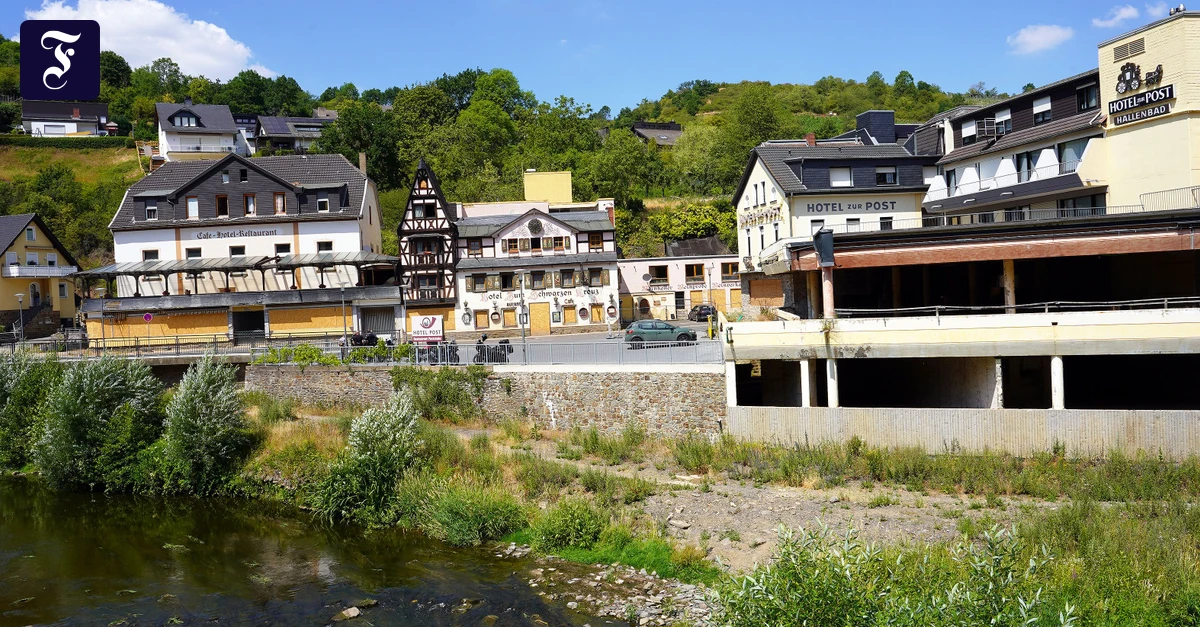
Five years after the catastrophic flooding in Germany’s Ahr Valley, the region remains a focal point for national debates regarding climate adaptation, infrastructure resilience, and the future of natural hazard insurance. While reconstruction efforts have made significant progress, questions persist about whether Germany is sufficiently prepared for the next large-scale extreme weather event, particularly as access to private flood insurance becomes increasingly difficult for residents in high-risk zones.
The July 2021 floods, which claimed at least 134 lives in the Ahr Valley alone and caused billions of euros in damage, served as a stark turning point for German disaster management policy. According to the Federal Office of Civil Protection and Disaster Assistance (BBK), the disaster exposed critical gaps in early warning systems and inter-agency communication, prompting a comprehensive overhaul of the national civil protection strategy. Today, the focus has shifted toward “climate-resilient reconstruction,” a concept that integrates stricter building codes with decentralized emergency response capabilities.
The Evolving Landscape of Flood Insurance
One of the most pressing concerns for homeowners in the Ahr Valley and similar flood-prone areas is the availability and affordability of insurance coverage. In the aftermath of the 2021 disaster, insurance companies have adopted more granular risk-assessment models. Industry data suggests that while demand for natural hazard insurance—known as Elementarschadenversicherung—has increased, the cost of premiums has surged, leaving some properties effectively uninsurable.
The insurance sector, represented by organizations like the German Insurance Association (GDV), has consistently argued that risk-based pricing is necessary to reflect the reality of a changing climate. However, this shift creates a social dilemma: if low-income residents cannot afford to insure their homes, the financial burden of future disasters will inevitably fall back onto the state. Discussions regarding a mandatory national natural hazard insurance scheme remain ongoing at the federal level, though a consensus has yet to be reached between state governments and private insurers.
Infrastructure Resilience and Climate Adaptation
Beyond the insurance crisis, the engineering challenge of “building back better” has defined the recovery process. The German government, alongside the state of Rhineland-Palatinate, has invested heavily in modernizing river management systems. According to the State Government of Rhineland-Palatinate, these projects include the construction of expanded retention basins and the removal of infrastructure that restricts natural floodplains.

These efforts are part of a broader federal strategy to adapt to more frequent heavy rainfall events. The Federal Ministry for the Environment, Nature Conservation, Nuclear Safety and Consumer Protection has emphasized that technical solutions alone are insufficient. Instead, authorities are now prioritizing “nature-based solutions,” such as restoring wetlands and reforestation, to mitigate the velocity and impact of runoff during extreme storms.
Preparedness: The Human Element
Technical infrastructure is only one part of the equation; the human response remains equally critical. The 2021 floods revealed that even the most advanced warning systems fail if the population is not adequately prepared to interpret and act on them. Since the event, there has been a renewed emphasis on “self-help” and community-based disaster resilience.
Local authorities now conduct regular disaster drills and have distributed information regarding emergency kits and evacuation protocols to households in high-risk areas. The German Weather Service (DWD) has also refined its warning dissemination, utilizing a combination of cell-broadcast technology, sirens, and social media to ensure that alerts reach citizens even during power outages. Despite these advancements, experts note that the psychological impact of the 2021 flooding continues to influence community dynamics, with many residents seeking long-term relocation to safer elevations.
What Lies Ahead for Flood Policy
The next major checkpoint in this ongoing transition will be the upcoming federal assessment of the National Adaptation Strategy to Climate Change (DAS), which is expected to provide updated data on the effectiveness of flood mitigation projects implemented since 2021. Policymakers are also tracking the progress of the EU-wide efforts to harmonize flood risk mapping, which will influence future German land-use regulations.

As the Ahr Valley continues its long-term recovery, the region stands as a template for how Germany intends to confront the realities of a warming planet. Whether these measures will prove sufficient remains a subject of intense scrutiny by both climate scientists and financial regulators. For residents and stakeholders, the goal is to shift from a cycle of reactive disaster management to a proactive culture of resilience that acknowledges the permanence of climate risk.
We welcome your thoughts on this ongoing recovery effort. Please share your insights or questions in the comments section below.