The Future of Furniture Design: How 3D Modeling & Visualization are Revolutionizing the Industry
Furniture design is undergoing a dramatic transformation. Advanced 3D modeling and visualization technologies are no longer simply helpful tools – they are basic to meeting the evolving demands of today’s consumers.This article explores how these innovations are reshaping the industry, offering greater precision, customization, and sustainability.
The Rise of Digital Design
Traditionally, furniture design relied heavily on physical prototypes and sketches. This process was time-consuming, expensive, and limited the scope for experimentation. Now, designers can leverage powerful software to create incredibly detailed and realistic 3D models.
Here’s how this shift is impacting the industry:
Enhanced Precision: 3D modeling allows for millimeter-perfect designs, minimizing errors in manufacturing and ensuring a flawless final product. Rapid Prototyping: Designers can quickly iterate through multiple design options, testing different materials, shapes, and functionalities virtually.
Reduced waste: By identifying potential issues early in the design phase, 3D modeling helps reduce material waste and production costs.
Improved Collaboration: Digital models facilitate seamless collaboration between designers, manufacturers, and clients, nonetheless of location.
Visualizing Your space: The Power of Rendering
Creating a stunning design is only half the battle. you need to effectively communicate that vision to your customers. That’s where visualization comes in.
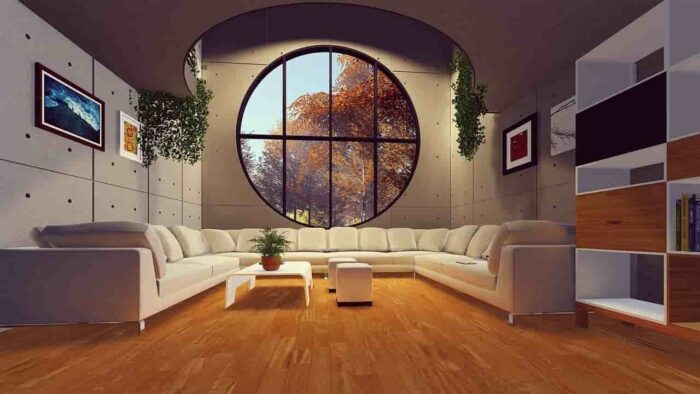
Realistic renderings allow you to showcase furniture pieces in lifelike settings. This provides several key benefits:
Immersive Experience: Customers can virtually “place” furniture in their own homes, gaining a clear understanding of how it will look and feel.
Increased Confidence: High-quality visualizations build trust and confidence in your designs, encouraging purchase decisions.
Streamlined Sales: Renderings can be used in online catalogs, marketing materials, and even augmented reality applications to enhance the shopping experience.
Personalized Previews: You can offer customers customized renderings featuring their chosen fabrics, finishes, and room layouts.
Modular Furniture & Configurable Designs
One of the most exciting trends in furniture design is the rise of modularity. 3D modeling and visualization are crucial for developing and showcasing these adaptable systems.Consider these advantages:
- Customization: modular furniture allows customers to create pieces tailored to their specific needs and preferences.
- Versatility: Components can be easily rearranged or replaced, adapting to changing lifestyles and spaces.
- Sustainability: Modular designs promote longevity, as individual parts can be repaired or upgraded rather than requiring complete replacement.
- Space Optimization: You can design modular systems that maximize space utilization in small apartments or multi-functional rooms.
The Impact of AI and Additive Manufacturing
the future of furniture design is inextricably linked to artificial intelligence (AI) and additive manufacturing (3D printing). These technologies are poised to unlock unprecedented levels of personalization and efficiency.
Looking ahead,artificial intelligence is set to enhance 3D modeling by suggesting design improvements,predicting consumer preferences,and automating parts of the creative process. Combined with additive manufacturing, this means the possibility of producing unique, customer-tailored furniture pieces on demand.
For example,AI tools might analyze how people use their living space and propose furniture configurations optimized for comfort and efficiency. When paired with real-world visualization, this pushes the boundary of what personalized design can achieve.
Conclusion: A New Era of Furniture Design
Advanced 3D modeling and visualization are no longer optional in the world of furniture design; they are essential. They provide the precision, customization, and sustainability that modern consumers demand, while also opening the door to more creative and accessible design practices. From modular furniture to immersive retail, the influence of these technologies is felt across the entire industry.
Designers, manufacturers, and consumers now share a more transparent, collaborative, and efficient process. And with the continued rise of tools that transform a simple photo into a 3D model, the future of furniture design looks more personalized, flexible, and innovative than ever before.
Keep reading