Gabon’s Social Media Block Faces Legal Challenge from Opposition Leader
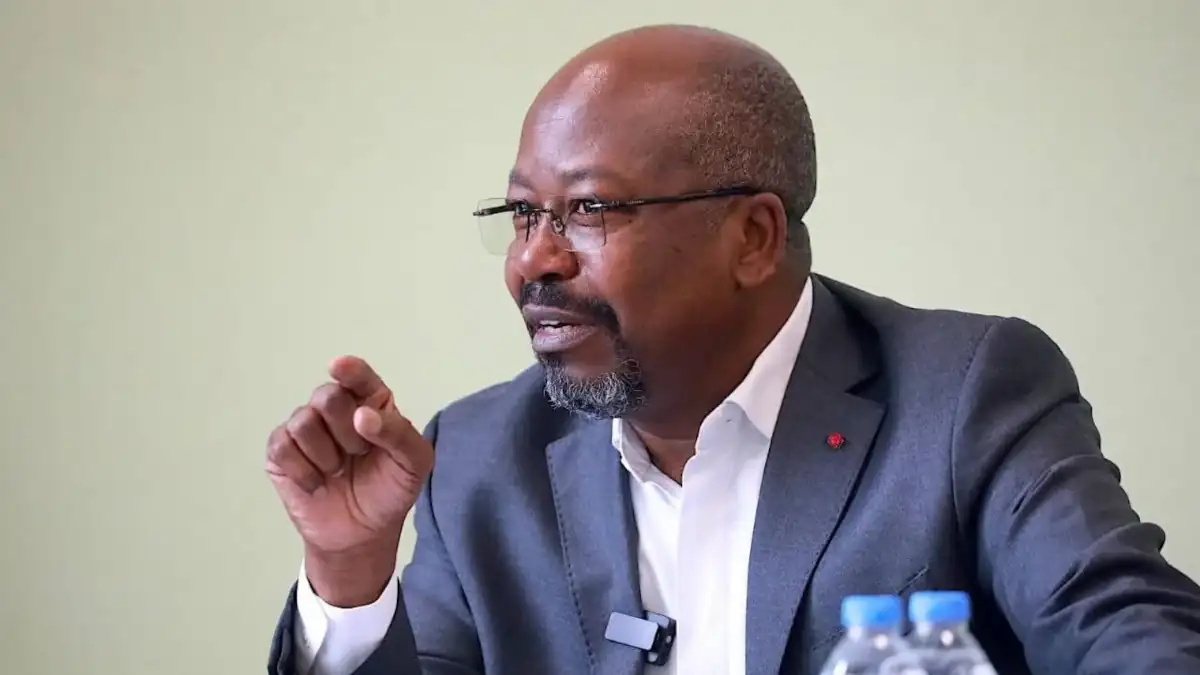
Libreville, Gabon – A legal battle is brewing in Gabon as former Prime Minister Alain-Claude Bilie-By-Nze challenges the government’s recent decision to block access to major social media platforms. The move, enacted on February 17, 2026, has sparked concerns about freedom of expression and the potential for stifling dissent in the Central African nation. Bilie-By-Nze’s party, Ensemble pour le Gabon (EPG), filed a legal request on March 2, 2026, with the Tribunal de première instance de Libreville, seeking an immediate end to the restrictions, according to reports.
The government, led by Brice Oligui Nguema, justified the ban on platforms including Facebook, Instagram, TikTok, and YouTube by citing the circulation of content deemed dangerous to national cohesion. While WhatsApp remained intermittently accessible, the widespread disruption to online communication has raised questions about the proportionality and legality of the measure. This action comes amidst ongoing social and political tensions, including a strike by teachers, adding another layer of complexity to the situation.
Legal Grounds for the Challenge
Bilie-By-Nze and the EPG are arguing that the Haute Autorité de la Communication (HAC), the regulatory body responsible for the ban, lacks the constitutional authority to impose such a sweeping restriction on access to social media nationwide. The EPG’s legal filing reportedly frames the HAC’s decision as a “voie de fait”—a legal term denoting a serious infringement on fundamental freedoms committed by a public authority outside of any legal framework. According to Bilie-By-Nze, the decision is “manifestly illegal and unconstitutional,” asserting that access to social networks is a protected right under the Gabonese Constitution. La Nouvelle Tribune reported on the legal challenge.
The HAC has not yet issued a public response to the legal challenge. The Ministry of Communication has stated that negotiations are underway with Meta (the parent company of Facebook and Instagram) and TikTok regarding content moderation, but has not provided a timeline for resolution. This lack of transparency has fueled criticism from opposition groups and raised concerns about the government’s intentions.
Context of Social and Political Tensions
The social media ban comes at a sensitive time for Gabon. The country is grappling with a strike by teachers that has been ongoing for several weeks, representing the first major social movement since Brice Oligui Nguema assumed power following a coup d’état in August 2023. RFI reports that the presidency has formally denied any connection between the social media restrictions and the teachers’ strike. Yet, critics suggest the ban is an attempt to suppress dissent and control the narrative surrounding the ongoing labor dispute.
Oligui Nguema’s rise to power followed the ousting of Ali Bongo Ondimba, who had been in office for 14 years. Bongo’s presidency was marked by accusations of corruption, and authoritarianism. Oligui Nguema initially led a transitional military government and was subsequently confirmed as president through elections held in April 2025. The legitimacy of these elections has been questioned by some opposition groups.
The HAC’s Authority and Concerns Over Censorship
The core of the legal challenge centers on the HAC’s authority to regulate—or, as Bilie-By-Nze argues, to censor—online content. According to Gabonmailinfos, Bilie-By-Nze contends that the HAC is exceeding its mandate and acting as a censor rather than a regulator. He emphasizes that the HAC is an administrative authority, not a security agency, and lacks the explicit legal power to suspend social media platforms nationwide.
This case raises broader concerns about the potential for governments to use regulatory bodies to suppress freedom of expression and limit access to information. The suspension of social media platforms can have a significant impact on citizens’ ability to organize, share information, and participate in public discourse. The EPG’s legal challenge seeks to establish a precedent that protects these fundamental rights.
The legal proceedings are expected to be closely watched by civil society organizations and international observers. The outcome of the case could have far-reaching implications for the future of internet freedom and political expression in Gabon. The Tribunal de première instance de Libreville will need to determine whether the HAC acted within its legal authority and whether the social media ban constitutes a violation of constitutional rights.
The situation highlights a growing trend of governments around the world restricting access to social media during times of political unrest or social upheaval. These actions often raise concerns about censorship and the suppression of dissent, and they are frequently challenged in courts of law. The case in Gabon is a significant test of the balance between national security concerns and the protection of fundamental freedoms in the digital age.
As of March 5, 2026, the social media platforms remain blocked in Gabon. The next step in the legal process is awaiting a response from the HAC and a hearing date set by the Tribunal de première instance de Libreville. Further updates will be provided as they become available.
What are your thoughts on the social media ban in Gabon? Share your comments below and let us know how you think this situation will unfold.
Related reading