Dining alone has transitioned from a social outlier to a mainstream lifestyle choice in Japan, supported by a growing infrastructure of “solo-friendly” establishments. Among these, the Yakiniku Like chain has emerged as a significant player in the fast-casual dining market, specifically catering to individuals who want to enjoy grilled meat without the traditional social pressures of a group setting. According to the company’s official corporate profile, the chain’s business model centers on high-turnover, small-footprint locations designed to minimize wait times and maximize personal space for solo patrons.
The rise of solo dining, or hitorigohan, reflects broader demographic shifts in Japan, where single-person households are becoming increasingly common. Data from the National Institute of Population and Social Security Research indicates that the percentage of single-person households in Japan is projected to continue its upward trajectory, reaching nearly 40% of all households by 2040. This demographic trend has forced the food and beverage industry to adapt, moving away from large, family-style tables toward counter-based seating and automated ordering systems that reduce the need for direct staff interaction.
The Yakiniku Like Concept: Efficiency and Accessibility
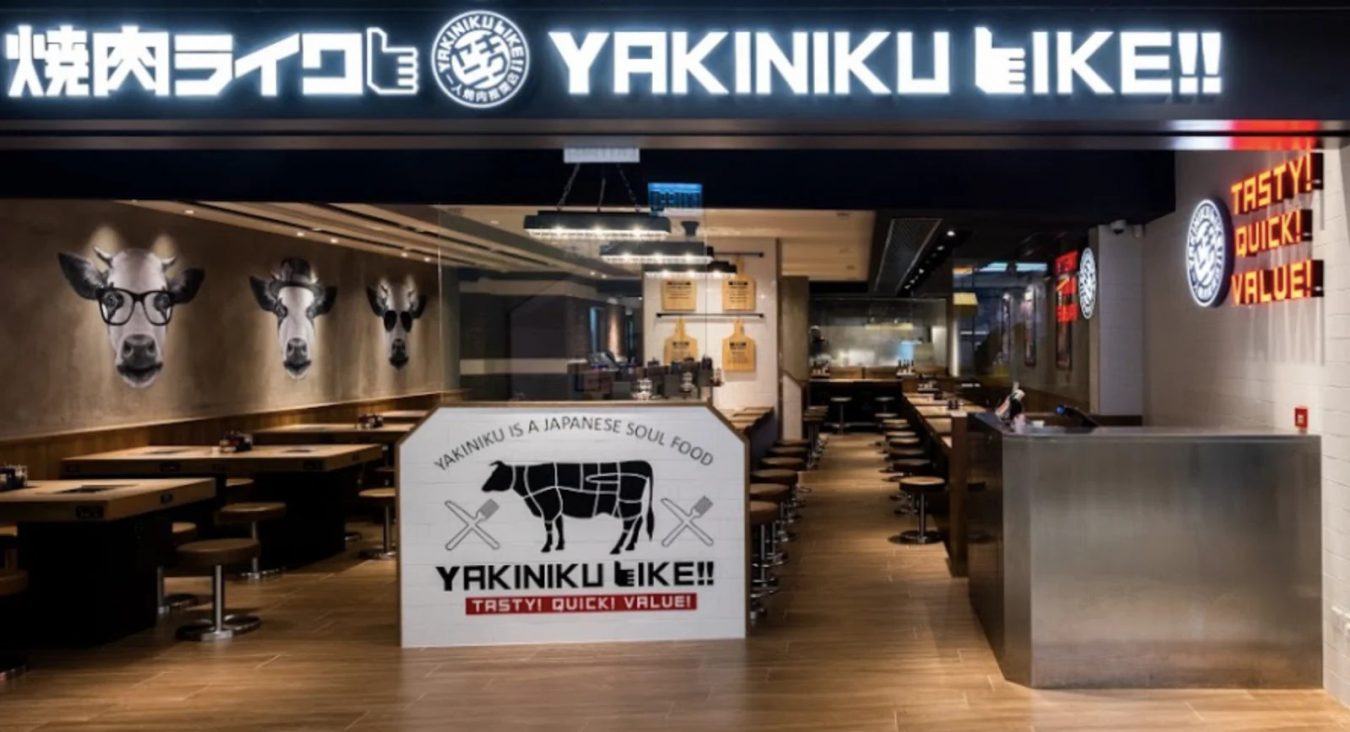
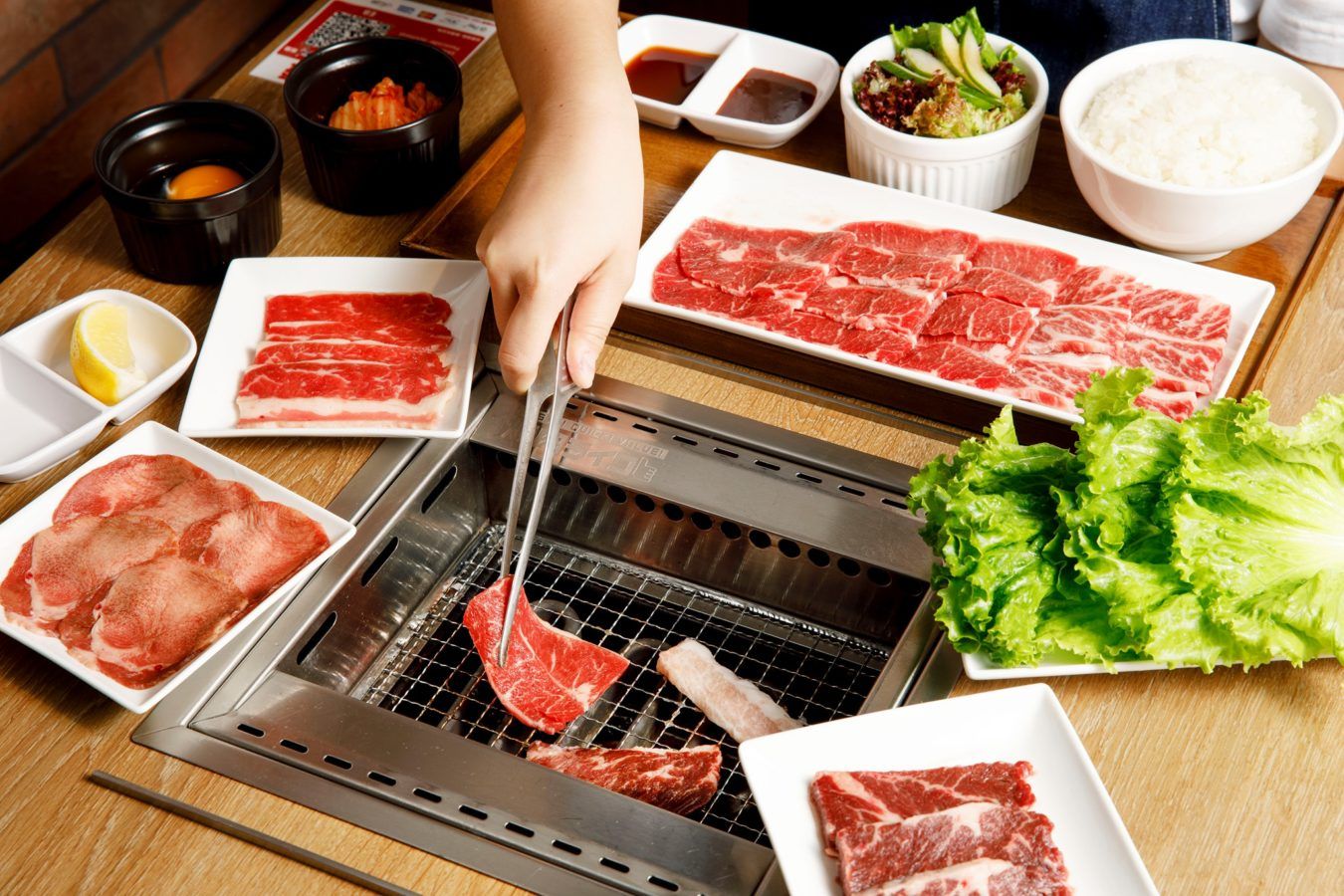
Yakiniku Like differentiates itself by stripping away the ceremonial aspects of traditional Japanese barbecue. In a standard setting, yakiniku is often treated as a communal event requiring long-duration reservations and large group tables. Yakiniku Like, however, operates on a “fast food” logic. Customers are typically provided with individual electric grills and a tablet-based ordering system, allowing them to control the pace of their meal entirely on their own terms. This setup is specifically engineered for the solo diner who may only have 30 to 45 minutes for lunch or dinner.
The pricing structure is designed to remain competitive within the fast-casual segment. While menu items vary by location and seasonal promotions, the chain frequently offers tiered pricing for its signature cuts. For instance, basic beef sets often start at price points comparable to traditional quick-service restaurant (QSR) offerings. By focusing on streamlined operations—such as simplified side menus and self-service water or utensil stations—the company maintains lower overhead costs, which they state in their investor relations materials allows for more aggressive pricing on high-quality meat cuts.
Economic Factors and Consumer Behavior

The affordability of solo dining is a primary driver for the chain’s popularity among younger urban professionals. With inflation impacting food costs across Japan, consumers are increasingly seeking value-oriented dining experiences that do not sacrifice quality. The Ministry of Agriculture, Forestry and Fisheries (MAFF) regularly tracks food service trends and has noted that the “solo consumption” market has been a resilient segment even during periods of economic contraction. Consumers are prioritizing efficiency and cost-transparency, both of which are central pillars of the Yakiniku Like experience.
The use of digital coupons and loyalty applications has further incentivized repeat visits. By integrating these tools into their mobile app, the chain can offer targeted discounts that effectively lower the entry price for new customers. These digital strategies are not unique to Yakiniku Like but are becoming standard practice for major restaurant groups in Japan, such as Skylark Holdings or Zensho Holdings, to maintain market share in an increasingly competitive landscape. This shift toward digital-first engagement allows the company to gather data on consumer preferences, such as which meat cuts are most popular during weekday lunch hours versus weekend evenings.
Why Solo Dining Matters in Modern Japan
The success of the solo-dining model provides a window into the changing social fabric of Japanese cities like Tokyo and Osaka. For many, the ability to eat out alone without feeling self-conscious is a matter of convenience and mental health. The design choices made by Yakiniku Like—such as the installation of partitions between seats—cater directly to this need for privacy. It removes the social anxiety that many individuals report when dining alone in restaurants primarily designed for couples or groups.
Furthermore, the labor-saving technology deployed in these restaurants addresses a critical issue facing the Japanese service industry: the ongoing labor shortage. As the working-age population shrinks, as documented by the Japan External Trade Organization (JETRO), the ability for a restaurant to operate with fewer staff members through the use of self-ordering kiosks and efficient kitchen workflows is not just a preference; it is a necessity for long-term survival. The model is highly scalable, allowing the brand to expand into high-traffic areas like train stations and office districts where real estate costs are high, but customer volume is consistent.
Looking Ahead: The Future of Fast-Casual Grilling
As the market for solo dining continues to mature, industry observers expect to see further integration of automation and personalized service. The next phase for chains like Yakiniku Like likely involves more sophisticated inventory management and potentially AI-driven recommendations based on a user’s order history. While the core product—grilled meat—remains traditional, the delivery mechanism is clearly moving toward a fully digitized, high-efficiency future.
For those interested in the evolving landscape of Japanese consumer technology and retail, the industry remains in a period of rapid iteration. Updates regarding the expansion of these services and changes to dining regulations are periodically released by the Japan Food Service Association. As these trends develop, the focus will likely remain on how technology can further reduce the friction of dining out, making the experience more accessible to the growing number of solo consumers globally.
For more updates on technology and lifestyle trends, readers are encouraged to check back with the World Today Journal. We invite you to share your thoughts on the evolution of solo dining in the comments section below.
Related reading