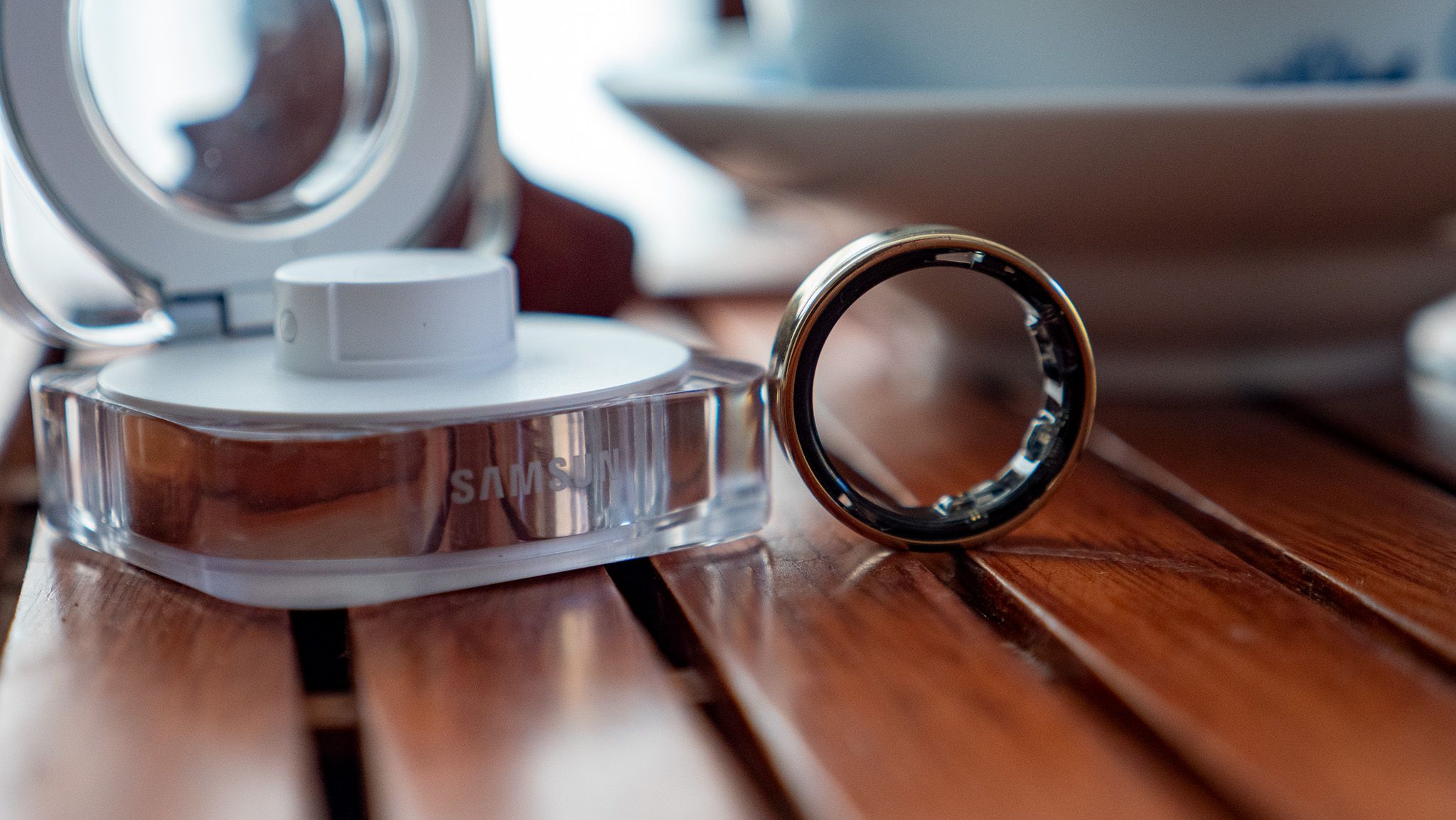
For those who have integrated the first-generation Galaxy Ring into their daily health routines, the anticipation for a successor has been building steadily. Though, recent reports suggest that the wait for the next iteration of Samsung’s health-tracking jewelry will be longer than some enthusiasts hoped. While there were hopes for a 2026 release, current indications point toward a different timeline.
According to industry reports, it is now considered “virtually impossible” for Samsung to launch a sequel to the Galaxy Ring within the current calendar year. Instead, the Galaxy Ring 2 release date is likely shifting toward an “early” 2027 debut. This delay suggests that the company is prioritizing significant hardware refinements over a rushed annual or biennial update cycle.
The original Galaxy Ring entered the market in 2024 with a retail price of $399, establishing a footprint in the competitive smart ring space. While the first generation proved the viability of the form factor, reports from late 2025 had already hinted that a modern model was not imminent. The shift to 2027 appears to be a strategic move to ensure the second generation offers a meaningful leap in utility and ergonomics.
A Shift in the Development Timeline
The move to an early 2027 launch indicates a developmental philosophy focused on iterative perfection rather than rapid deployment. In the world of wearables, the transition from a first-generation product to a second often involves addressing the “friction points” identified by early adopters. For Samsung, Which means moving beyond the proof-of-concept stage and refining the device into a more seamless lifestyle accessory.
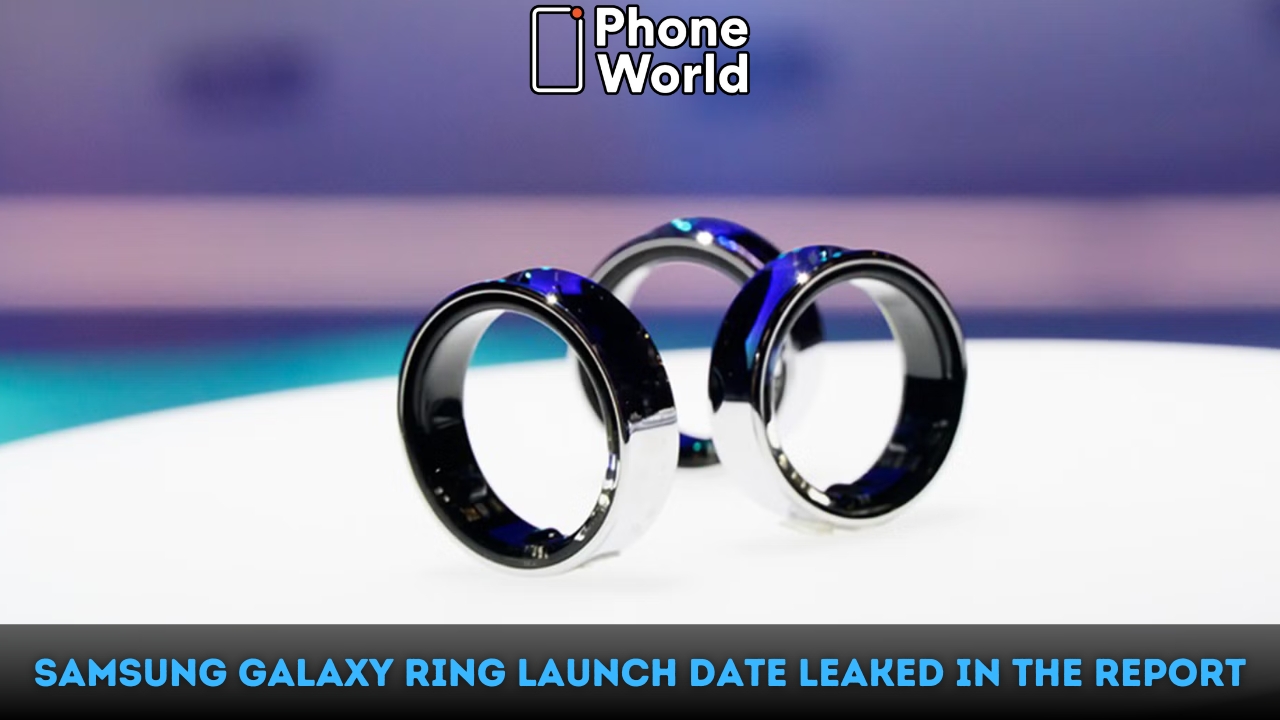
Reports attributed to ETNews indicate that the company is utilizing this extended development window to overhaul several core aspects of the device. By pushing the release into 2027, Samsung can avoid the risks associated with a rushed product and instead focus on “optimizing” the internal architecture of the ring. This is particularly critical for a device where every millimeter of space is contested between the battery, the sensors, and the structural casing.
Refining the Wearable Experience: Comfort and Battery
One of the primary hurdles for any smart ring is the balance between functionality and wearability. A ring that is too bulky becomes an annoyance during daily activities, while one that is too small often sacrifices battery life. The Galaxy Ring 2 is reportedly aiming to solve this tension through a focused effort on ergonomics.
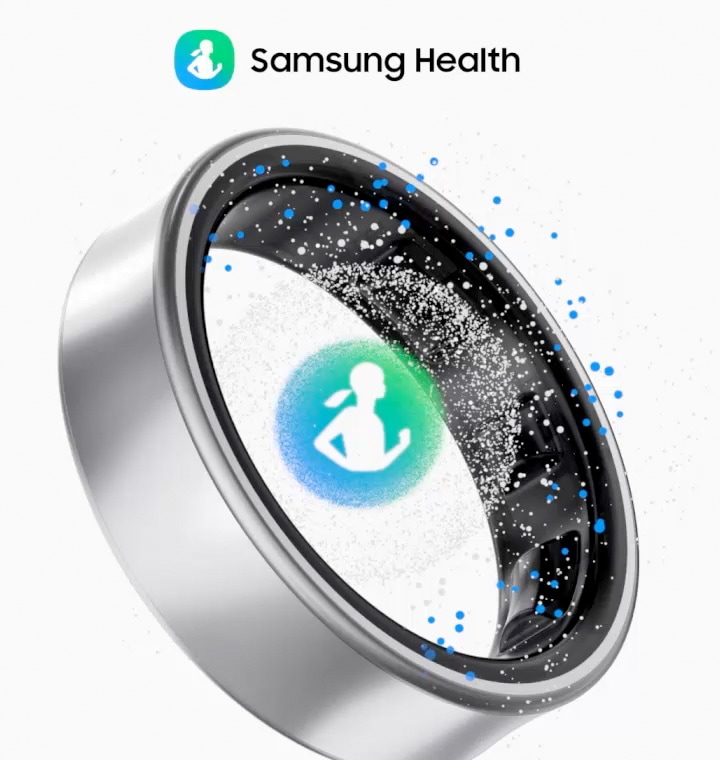
Samsung is reportedly focusing on improving wearer comfort by reducing both the overall thickness and the weight of the device. This improvement is expected to stem from the “optimizing” of internal component placement. By rearranging how the circuitry and sensors sit within the band, the company aims to create a more practical, less intrusive profile that feels more like traditional jewelry and less like a piece of hardware.
Parallel to the physical redesign is a significant push for increased endurance. Battery anxiety is a common pain point for wearable users, and the Galaxy Ring 2 looks to address this directly. While the current generation offers a battery life of 7 days, the sequel is expected to extend this window to approximately 9-10 days. This increase, while seemingly modest, represents a notable improvement in the efficiency of the power management system and the energy density of the internal cell.
The Next Frontier of Health Sensing
Beyond the physical chassis, the true value of the Galaxy Ring 2 lies in its sensor array. Samsung is reportedly leveraging its expertise in health technology to push the boundaries of what a ring-based wearable can monitor. The focus is shifting toward higher precision and more comprehensive health narratives.
A major pillar of the upcoming release is the “improved accuracy of sleep analysis.” Sleep tracking is one of the most praised features of the original ring, but refined sensors could provide deeper insights into sleep stages and recovery metrics. Samsung is looking to provide “expanded insights related to cardiovascular health,” which would allow users to monitor heart-related trends with greater confidence and detail.

Perhaps the most ambitious objective is the pursuit of non-invasive blood glucose management. This has been described as a “stretch goal” for the Galaxy Ring 2. Non-invasive glucose monitoring—the ability to track blood sugar levels without requiring a finger-prick or an implanted sensor—is often referred to as the “holy grail” of wearable health tech. Samsung has been exploring this technology for its Galaxy Watch line as well, and integrating it into a ring would represent a massive leap in medical utility for the consumer market.
| Feature | Galaxy Ring (Original) | Galaxy Ring 2 (Reported) |
|---|---|---|
| Launch Year | 2024 | Early 2027 |
| Battery Life | 7 Days | 9-10 Days |
| Design Focus | Market Entry | Reduced weight and thickness |
| Health Focus | General Health Tracking | Advanced Cardiovascular & Sleep Accuracy |
| Stretch Goal | N/A | Non-invasive blood glucose management |
What This Means for the Consumer
For the average consumer, the delay to 2027 may be disappointing, but from a technical perspective, it is a logical step. The transition from a 7-day to a 10-day battery, combined with a thinner profile, directly addresses the two most common complaints regarding smart rings. When you combine these physical improvements with the potential for non-invasive glucose monitoring, the value proposition of the sequel becomes significantly stronger.

The “stretch goal” of glucose monitoring is particularly impactful for a global audience. Millions of people manage metabolic health daily; a device that can provide trends in blood sugar without invasive needles would transform the Galaxy Ring from a wellness gadget into a critical health management tool. While it remains unconfirmed if this feature will make the final cut for the 2027 launch, the fact that it is a primary internal goal speaks to Samsung’s ambition in the medical-wearable space.
the emphasis on cardiovascular health insights suggests a move toward more “clinical” grade data. By expanding these insights, Samsung is positioning the Galaxy Ring 2 not just as a companion to a smartphone, but as a proactive health monitor that can alert users to potential issues before they grow emergencies.
Looking Ahead to 2027
As we move toward the projected reveal, the industry will be watching to witness if Samsung can successfully miniaturize the components necessary for these advanced sensors without compromising the ring’s structural integrity. The challenge of “optimizing component placement” is a complex engineering task that requires a delicate balance of antenna placement, sensor contact, and battery volume.
The next confirmed checkpoint for this product line will be the official announcements surrounding Samsung’s 2027 hardware cycle. Until then, current users can rely on the 2024 model, while prospective buyers may want to hold off to see if the promised leaps in battery life and health sensing materialize in the sequel.
Do you think the wait until 2027 is justified for better battery life and blood glucose tracking? Let us know your thoughts in the comments below.
Worth a look