
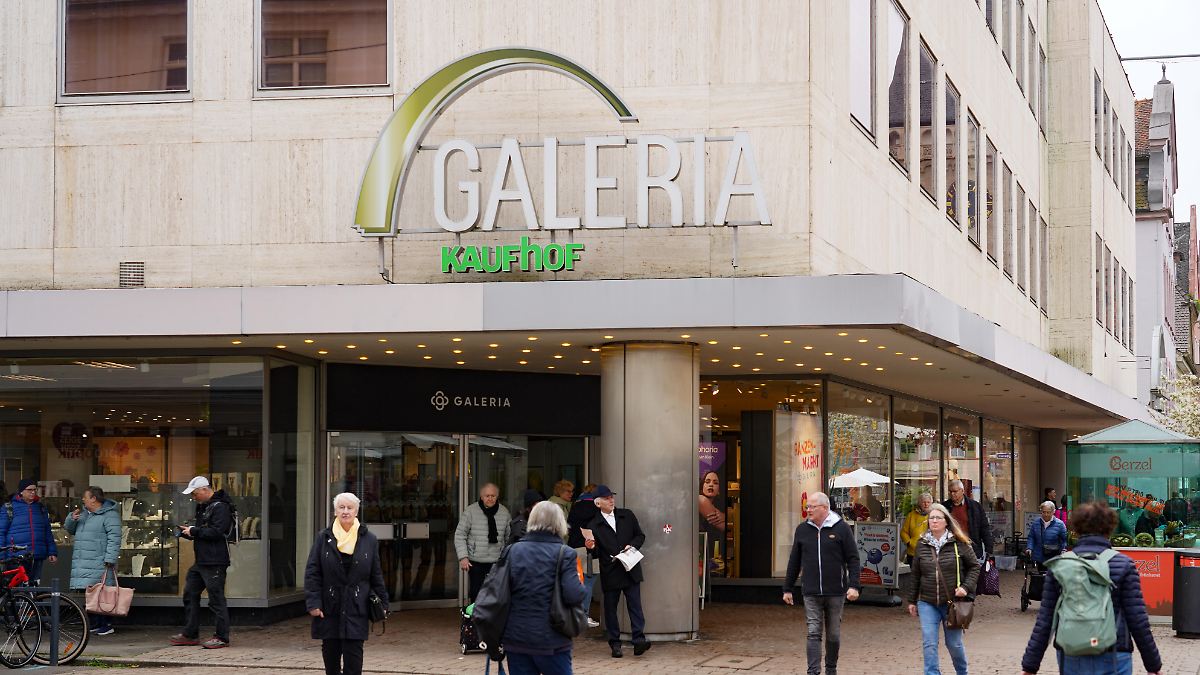
Galeria Karstadt Kaufhof, one of Germany’s largest department store chains, is once again navigating a precarious financial situation as it seeks relief from mounting rental obligations. The company has reportedly approached landlords to request deferment of lease payments, underscoring ongoing liquidity pressures that have plagued the retailer for several years. This latest development comes amid broader challenges in the European retail sector, where shifting consumer habits and elevated operating costs continue to test the resilience of traditional brick-and-mortar operators.
The request for rent deferral follows a pattern of financial strain that has seen Galeria repeatedly rely on external support to maintain operations. In recent months, the company has engaged in negotiations with creditors and property owners to restructure its debt obligations and avoid insolvency proceedings. These efforts reflect the severity of its cash flow constraints, which have been exacerbated by declining foot traffic in city-center locations and increased competition from e-commerce platforms.
According to verified reports from German business publications, Galeria’s financial difficulties are not isolated but part of a wider trend affecting legacy department stores across the continent. TextilWirtschaft.de reported in mid-2024 that the company recorded significant revenue declines during the first half of the year, with losses exceeding €100 million compared to the same period in the prior year. This downturn was attributed to weaker-than-expected sales performance and persistent challenges in adapting to post-pandemic consumer behavior.
Further analysis from Lebensmittel Zeitung confirmed that Galeria had formally approached landlords for rental relief, highlighting the urgency of its liquidity position. Even as specific terms of any agreed-upon deferrals have not been disclosed, such arrangements typically involve temporary suspensions or reduced payments intended to provide short-term breathing room for struggling tenants. Landlords, in turn, often weigh these requests against the risk of vacancy and the costs associated with re-leasing large retail spaces in uncertain market conditions.
The situation at Galeria underscores broader structural pressures facing traditional retailers in Germany and beyond. As consumers increasingly favor online shopping for convenience and price comparison, physical stores face mounting pressure to justify their fixed costs, particularly long-term leases signed during more prosperous eras. Many department stores are now reevaluating their real estate footprints, closing underperforming locations, or exploring mixed-use developments that integrate residential, office, or experiential elements to drive foot traffic.
Industry analysts note that Galeria’s predicament is symptomatic of a larger transformation in European retail, where legacy players must innovate or risk obsolescence. Successful adaptation often involves significant investment in digital infrastructure, omnichannel capabilities, and store redesigns—resources that financially constrained companies like Galeria may struggle to secure without external intervention. Government support programs, private equity involvement, or creditor-led restructuring have become common lifelines for such firms seeking to avoid liquidation.
Despite these challenges, Galeria continues to operate approximately 100 stores across Germany, employing thousands of workers in retail, logistics, and administrative roles. The potential consequences of insolvency extend beyond shareholders and creditors to include employees facing job uncertainty, suppliers risking unpaid invoices, and local communities losing anchor tenants that contribute to urban vitality. These stakeholder impacts add urgency to ongoing negotiations aimed at stabilizing the company’s financial foundation.
As of early 2025, no formal insolvency filing has been recorded against Galeria Karstadt Kaufhof, suggesting that ongoing negotiations with stakeholders may still be yielding temporary solutions. However, the recurrence of rent deferral requests signals that underlying profitability issues remain unresolved. Market observers will be watching closely for any updates on the company’s restructuring efforts, including potential equity infusions, asset sales, or strategic partnerships designed to enhance long-term viability.
For readers seeking official updates on Galeria’s financial status, monitored sources include the company’s public statements, filings with German commercial registers, and reports from reputable financial news outlets such as Reuters, Bloomberg, and Handelsblatt. Regulatory bodies like the Federal Financial Supervisory Authority (BaFin) may likewise provide insights if formal proceedings are initiated.
The evolving situation at Galeria serves as a case study in the difficulties faced by established retailers adapting to a rapidly changing commercial landscape. While the outcome of its current negotiations remains uncertain, the company’s efforts to secure temporary relief reflect a broader industry trend where flexibility and stakeholder cooperation are increasingly vital to survival.
Stay informed about developments in global retail and corporate finance by following World Today Journal’s Business section for timely, verified coverage.
We welcome your thoughts on this story. Share your perspective in the comments below or join the conversation on our social media channels.