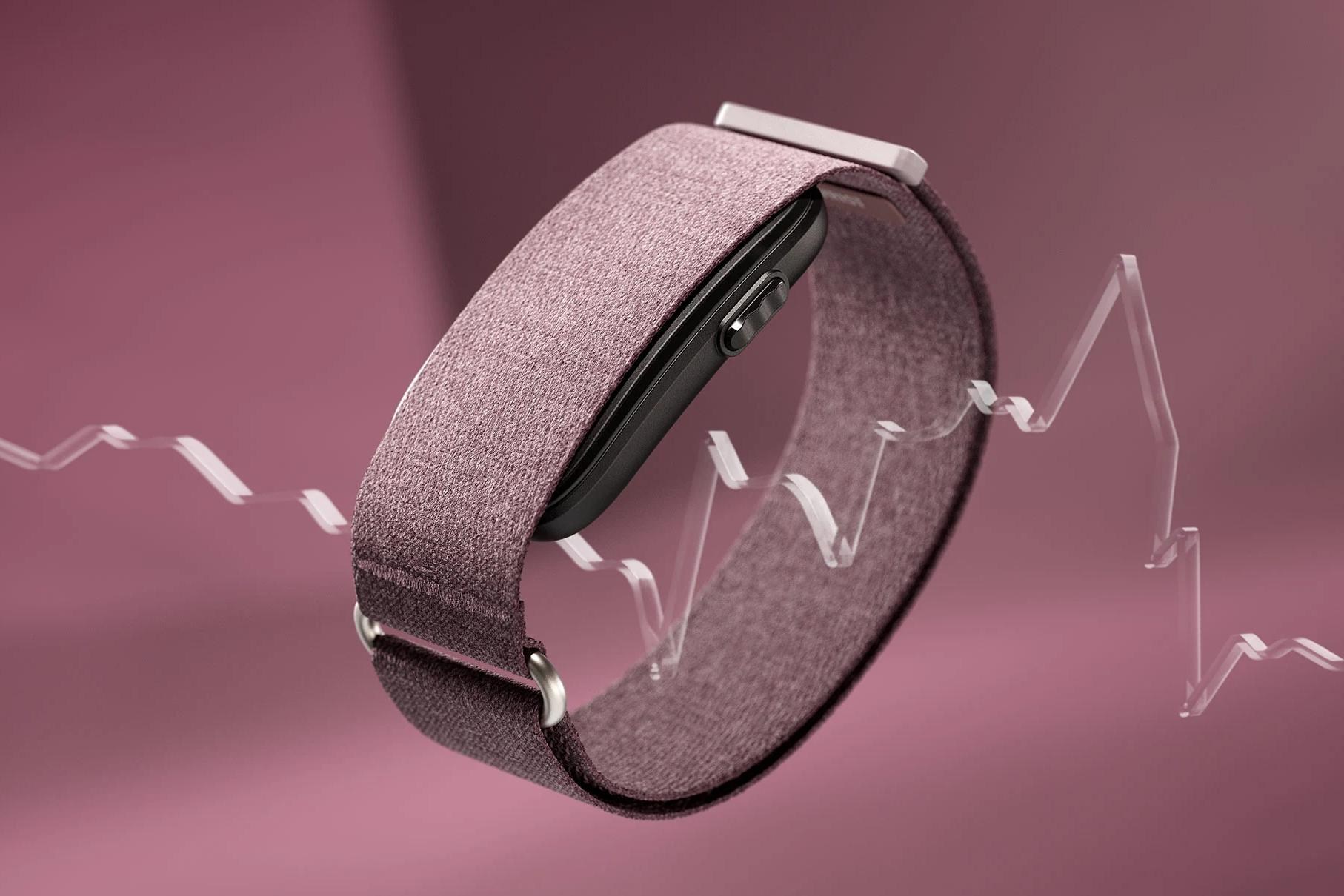
Garmin Enters Screenless Wearable Market with Cirqa Smart Band
Garmin Ltd. has officially entered the screen-free fitness tracker segment with the release of the Garmin Cirqa. Announced as a new smart band designed to track advanced fitness and wellness features,
the device aims to eliminate digital distractions by omitting a screen entirely. This design choice pushes the device’s battery life to up to 10 days between charges. The Cirqa is available to order starting July 24 and is priced at $199.99 (£179.99 / €199.99).
Market Positioning and Subscription-Free Model
The Cirqa represents Garmin’s attempt to compete in a relatively hot category of wearable,
positioning itself against established products like the Whoop band, Google’s Fitbit Air, the Polar Loop, and the Amazfit Helio Strap. A primary differentiator for the Cirqa is its lack of mandatory ongoing costs. Unlike the Whoop wearable, which requires a subscription—such as its $199-per-year entry-level plan—the Cirqa provides access to all data and health insights for free within the Garmin Connect app.
While the $199.99 price point makes it among the more expensive screen-free trackers currently available, Garmin highlights that the device is intended for users who want to record “loads of stats” without the wearable demanding their attention throughout the day. The core concept is to help users make improvements toward a healthier lifestyle without the device commanding all of their focus.
Hardware Specifications and Design
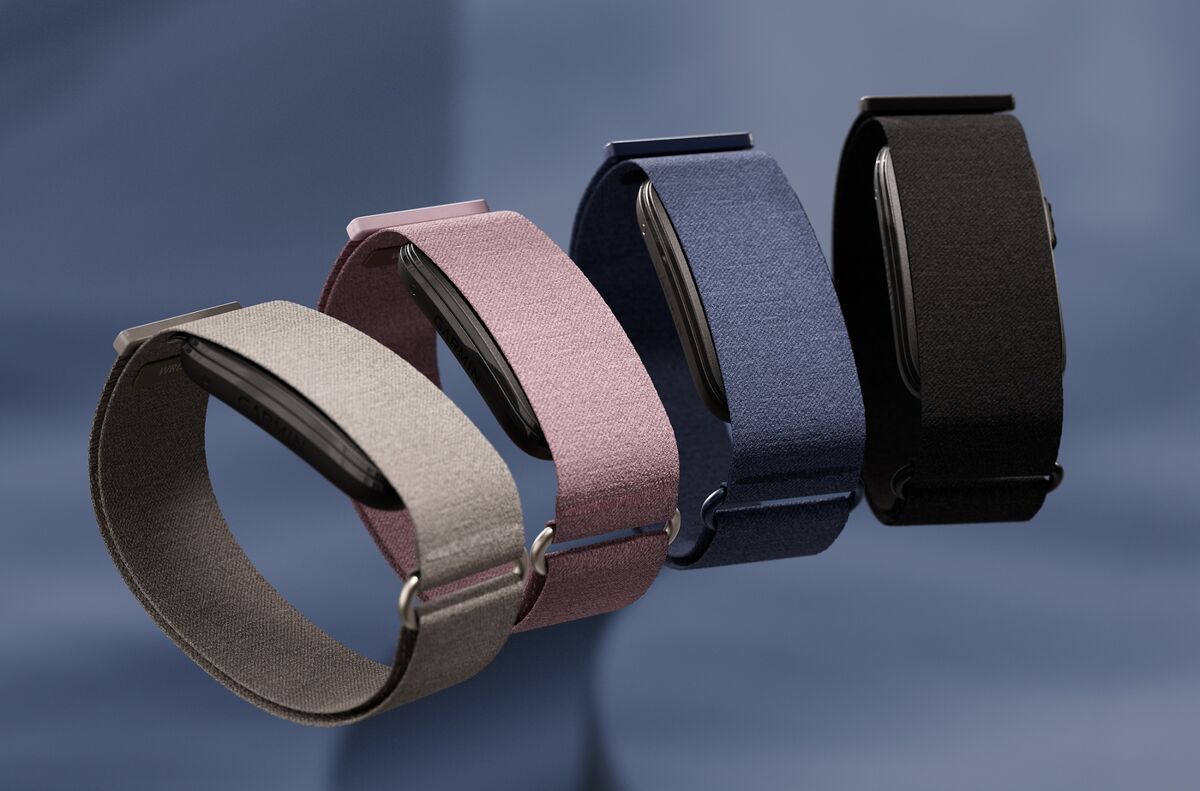
The Cirqa features a sleek, inconspicuous form factor. The central unit is 27mm wide, making it wider than the 18mm Fitbit Air, a dimension that matches the Whoop band. The device utilizes fabric straps that forgo traditional watch clasps in favor of a velcro-style design, allowing users to choose the exact tightness of the fit. These straps are available in S/M and L/XL sizes and come in four color options: black, “Captain” blue, French Gray, and Mauve. The “brains” of the tracker are black at launch, regardless of the strap color chosen.
For interaction, the device includes a single physical side button. This button acts as a shortcut to start a “favorite” activity, which the user specifies in the Garmin Connect app. Other activities are auto-tracked, though Garmin notes that these require users to confirm or edit their activities in the app, with the band designed to adapt and classify them more accurately over time. For outdoor activities, the band pairs with a compatible smartphone’s GPS to record walks, runs, and rides. It also maintains 5ATM water resistance, making it suitable for showering or swimming, though it is not intended for diving or deep-level snorkeling.
Sensor Technology and Health Metrics
The Cirqa utilizes Garmin’s Elevate heart rate sensor technology. The array on the back of the device features two LED blobs, red LED elements for blood oxygenation measurements, and four surrounding light sensors. This setup is similar to the technology found in more affordable models like the Forerunner 170.
When worn day and night, the band monitors heart rate, blood oxygen saturation (Pulse Ox), skin temperature, and motion. Garmin states that these metrics can help detect conditions such as asthma and sleep apnea. The device also tracks Body Battery energy levels, stress, and provides a detailed breakdown of sleep stages, breathing, heart rate, and nap detection to generate an overall sleep score. For women’s health, the Cirqa offers menstrual cycle and pregnancy tracking, using skin temperature monitoring to provide better period predictions and past ovulation estimates. Users can also sync this data with the Natural Cycles app, though that service requires its own subscription.
Training Integration
The Cirqa supports more than 80 activity profiles, including running, walking, and yoga. It includes several of Garmin’s advanced training metrics, such as Training Readiness, Training Status, VO2 Max, HRV Status, Workout Benefit, and Recovery Time. The device can also connect with Garmin’s Edge bike computers to display heart rate and allow users to view recovery metrics after a ride. According to the company, the device is designed to be worn around the wrist or as an arm band, depending on the user’s activity or sleeping preferences.

Keep reading