
By 2028, the rising cost of artificial intelligence-driven software development is projected to surpass the total compensation paid to human developers within many organizations. This shift, driven by the rapid accumulation of “token sprawl” as AI agents consume vast amounts of computational power to process code, suggests that current engineering budgets are largely unprepared for the emerging financial architecture of generative AI. According to projections from Gartner research, the reliance on large language models (LLMs) to automate coding tasks is creating a new category of operational expenditure that necessitates a fundamental change in how IT leaders manage software engineering workflows.
As Editor of the Health section here at the World Today Journal, I have observed how similar cost-scaling issues often plague the integration of new technologies in clinical environments. When we speak of “token sprawl,” we are referring to the exponential increase in data processing units—tokens—required for AI to generate, test, and document code. Unlike traditional software development, where costs are primarily tied to human hours, AI-assisted development introduces a variable, consumption-based pricing model that can quickly outpace fixed salary costs if not managed with strict governance.
The Mechanics of Token-Based Financial Risks
The financial challenge lies in the nature of how AI coding agents function. Every interaction, prompt, and iteration performed by an AI agent consumes tokens, which are the basic units of text processed by LLMs. As organizations scale their use of these agents to handle more complex coding tasks, the volume of tokens required increases non-linearly. Gartner analysts suggest that by 2028, the cumulative costs of these tokens will likely exceed the annual salaries of the development teams they are intended to augment.
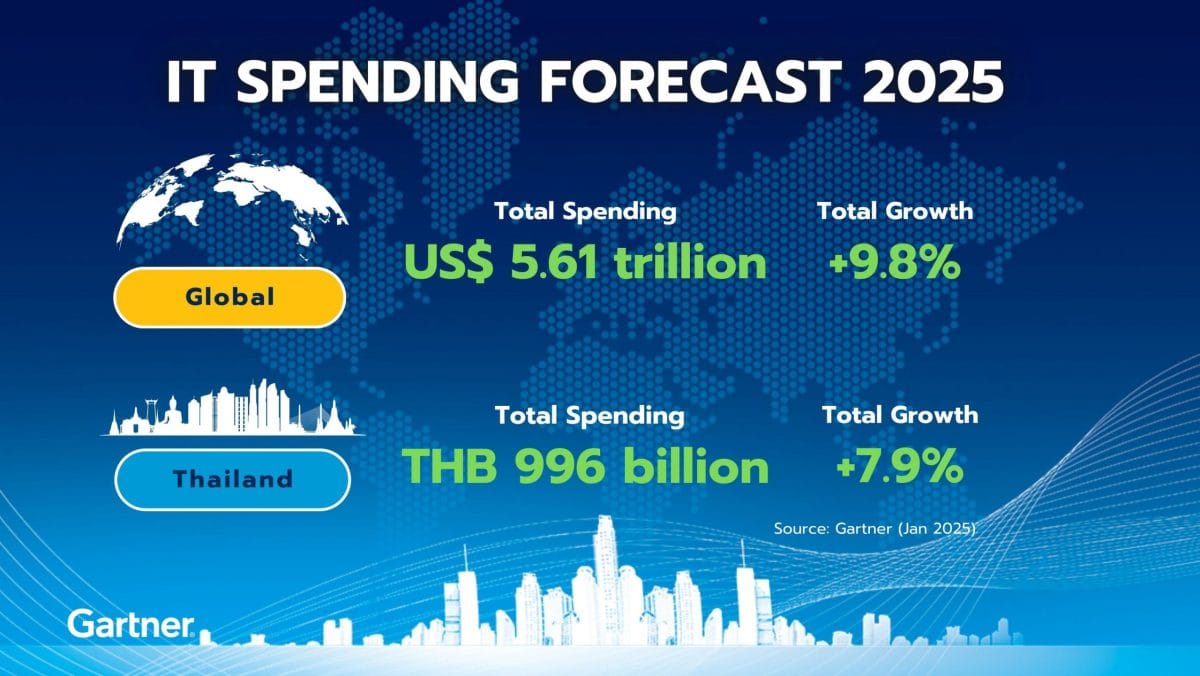
For organizations already operating on thin margins, such as those in the healthcare IT sector, this shift is significant. The Gartner forecast highlights that engineering budgets are currently built around headcount and static software licensing, not the volatile, usage-heavy billing structures of AI-as-a-service providers. Without a shift toward “token-aware” development, IT departments risk a sudden, unbudgeted drain on resources that could jeopardize other digital transformation projects.
Why Traditional Budgeting Models Are Failing
Traditional software development budgeting relies on predictable expenditures. Developers work a set number of hours, and the cost is relatively stable. AI coding agents, however, operate on a consumption model that mirrors cloud infrastructure usage but with significantly higher volatility. If an AI agent enters a loop or is tasked with an inefficiently designed prompt, it can generate millions of tokens in a matter of seconds, leading to “runaway” costs.
This creates a conflict between productivity and profitability. While AI agents can significantly increase the speed of code delivery, the cost of that speed is currently opaque. According to industry analysis, the lack of visibility into token consumption is the primary driver of this looming budget crisis. To mitigate this, organizations are being encouraged to implement strict monitoring tools that track token usage at the project or even the individual developer level, much like how cloud storage costs are currently monitored and capped.
Strategies for Sustainable AI Integration
To avoid the projected financial imbalance, organizations must transition from viewing AI as a “free” or “low-cost” productivity booster to treating it as a high-value, high-cost utility. This involves several strategic adjustments:

- Token Governance: Establishing strict internal policies on when and how AI agents are deployed to ensure they are used for high-impact tasks rather than routine, low-value coding.
- Cost-Aware Architecture: Designing software workflows that prioritize efficiency to minimize token consumption.
- Vendor Accountability: Negotiating usage-based pricing models that provide more predictability, or exploring smaller, open-source models that may be more cost-effective for specific, narrow tasks.
The transition to AI-assisted coding is not merely a technical challenge; it is a financial one. As we look toward 2028, the ability to balance the efficiency gains of artificial intelligence against the mounting costs of token consumption will likely become a key indicator of successful IT leadership. For those in healthcare and other high-stakes sectors, this balance is even more critical, as budget diversions can directly impact the speed of patient-facing technological improvements.
The next major checkpoint for these projections will be the release of updated 2025 enterprise IT spending reports, which are expected to provide the first clear data on whether organizations are successfully curbing AI-related expenditure growth. We invite our readers to share their experiences with integrating AI agents into their development teams in the comments section below.
Worth a look