
The Rise of Xania: When AI Becomes the Artist – And what It Means for the Future of Music
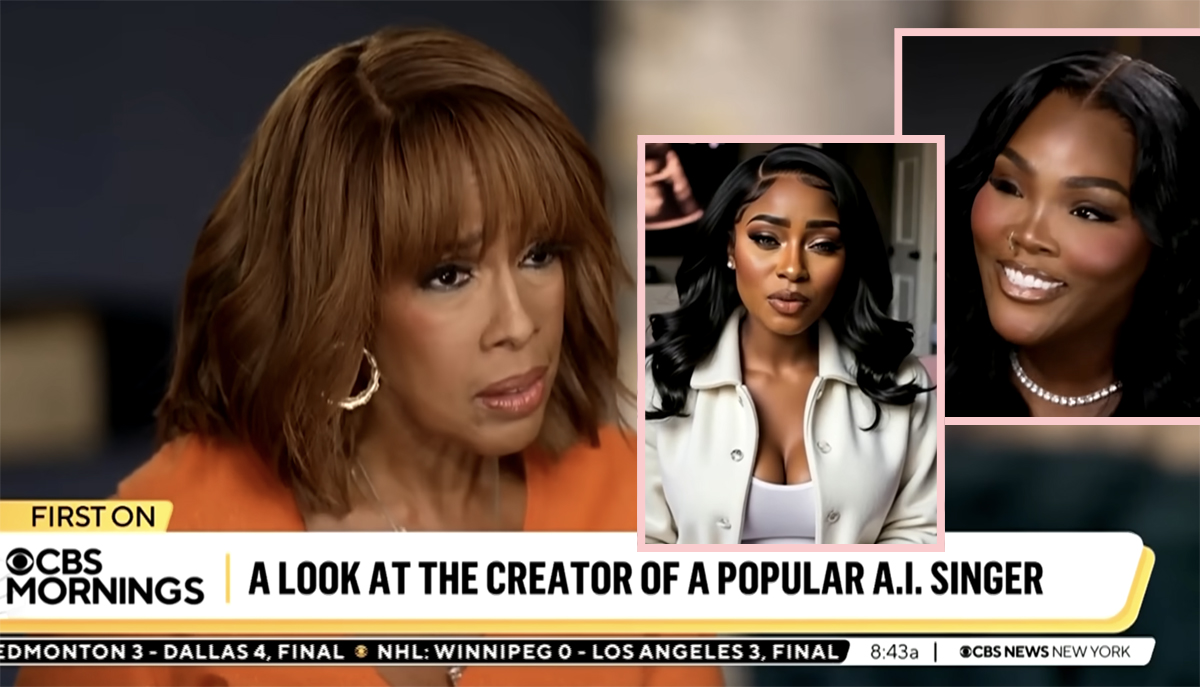
the music industry is undergoing a seismic shift, and at the epicenter is Xania, a singer who’s making waves - despite not actually being. Billboard recently recognized Xania as the first AI artist to achieve important radio airplay and chart on a Billboard radio chart. This virtual artist, possessing the look of a model and a voice reminiscent of Whitney Houston, is entirely computer-generated.
This progress has sparked a heated debate about authenticity,artistry,and the future of creative work. Let’s dive into the story and explore the implications of this groundbreaking – and controversial – phenomenon.
A Multimillion-Dollar Deal and a Backlash
Xania’s arrival wasn’t quiet. She quickly secured a multimillion-dollar record deal, a move that ignited a strong reaction from established artists. Kehlani, a prominent singer herself, publicly voiced her concerns on TikTok, a sentiment many in the industry likely share.
The creator behind Xania, Nikki, has found herself defending her work and vision.she views Xania not as a replacement for human artists, but as an evolution of music creation. But is it that simple?
“An Extension of Me”: The Creator’s Outlook
In a recent interview,Nikki explained her perspective,stating that “technology’s evolving” and that everyone approaches their craft differently. She maintains her admiration for artists like Kehlani, continuing to listen to their music regularly.
However, the core of the controversy lies in the perception of authenticity. When questioned about the potential to mislead listeners into believing Xania is a real person, Nikki responded that “Xania is an extension of me, so I look at her as a real person.” This statement was quickly challenged.
The Core Question: What Constitutes a “real” Artist?
The interviewer pointedly asked, “But you can’t sing.” This simple statement cuts to the heart of the matter. Xania’s voice isn’t born from years of vocal training, lived experiences, or emotional depth - it’s a product of algorithms and data analysis.
This raises a fundamental question: if the performance isn’t rooted in genuine human expression, can it truly be considered art? The concern extends beyond Nikki’s individual case. Many worry about the impact on aspiring artists who dedicate their lives to honing their skills.
A Shortcut or a New Tool?
Nikki defends her process, arguing it’s not a “shortcut” but rather utilizing AI as a ”tool” and “instrument.” She emphasizes the work involved in crafting prompts for the AI and writing the lyrics herself.
However, the reality is that the singing, the visual depiction, and even the persona are all generated by a computer program trained on the work of real singers. This emulation, while technically notable, raises ethical questions about originality and artistic integrity.
The Impact on Struggling Artists
The implications for emerging artists are significant. What message does Xania’s success send to those tirelessly working to be heard? The concern is that AI-generated artists could saturate the market, making it even harder for genuine talent to break through.
Nikki acknowledges these concerns, stating that new technologies always face strong reactions. But is this simply a matter of adapting to change, or is something fundamentally valuable being lost in the process?
The Future of Music is Here - Are You Ready?
Xania’s story isn’t just about one AI artist; it’s a glimpse into a potential future where the lines between human and artificial creativity become increasingly blurred. It forces us to confront challenging questions about what we value in music and art.
* Authenticity: How important is it to know the artist behind the song is a real person with genuine emotions?
* Originality: Can AI truly create something original, or is it always derivative of existing work?
* fairness: How do we ensure a level playing field for human artists in an age of AI-generated content?
The debate is just beginning. As AI technology continues to evolve, we can expect to see more artists like Xania emerge, challenging our perceptions of music and artistry. It’s


