Ceasefire Fragility: Renewed Conflict and Humanitarian Crisis in Gaza
The fragile peace established in Gaza on October 10th, following two years of intense conflict, is rapidly deteriorating. Despite a ceasefire agreement brokered by Türkiye, Egypt, and Qatar – with backing from the United States – reports indicate a concerning escalation of violence and a deepening humanitarian crisis. This situation demands urgent attention and a renewed commitment to lasting stability.
Breakdown of the Ceasefire
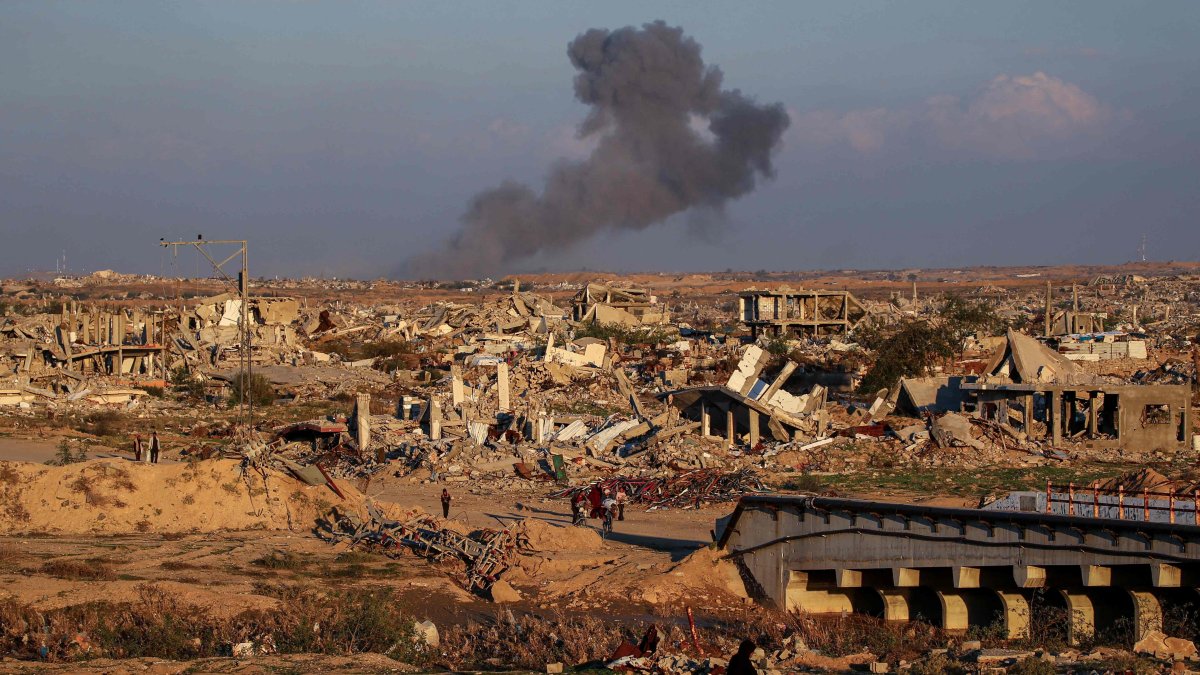
Unfortunately, the initial promise of the ceasefire appears to be unraveling. On October 28, 2025, reports surfaced of direct orders from Israeli Prime Minister Benjamin Netanyahu authorizing significant military action within Gaza, effectively violating the agreed-upon terms. This decision has had immediate and devastating consequences.
Consider the impact: on October 29th alone, the Health Ministry reported receiving 104 civilian bodies, including a heartbreaking number of children (46) and women (20). Furthermore, 253 individuals sustained injuries, with 78 children and 84 women among the wounded. These figures underscore the urgent need for de-escalation and a return to the principles of the ceasefire.
Humanitarian Access Severely Limited
You might be wondering what’s being done to help those affected.Humanitarian aid is critically needed, but access to gaza remains severely restricted. Currently, only 200 aid trucks are permitted entry each day. However, humanitarian organizations estimate a minimum of 600 trucks are required to meet the basic needs of the population. This shortfall is exacerbating an already dire situation, leaving countless civilians without essential supplies.
Ceasefire Violations and Arbitrary Detentions
Beyond the renewed attacks, the ceasefire is being undermined by a pattern of violations.Documented reports indicate at least 38 instances of arbitrary detention by Israeli forces as the ceasefire began. A total of 591 violations have been recorded, including direct gunfire towards civilians and their homes, widespread bombardment, and the demolition of residential properties. These actions erode trust and further destabilize the region.
Targeting of Journalists
Freedom of the press is essential, especially during times of conflict. Tragically, journalists are increasingly becoming targets. On December 2nd, Palestinian journalist Mahmoud Wadi was killed in an Israeli airstrike in Khan Younis.This brings the total number of journalists killed since October 2023 to a staggering 257, according to the Gaza Media Office. This loss not only silences vital voices but also hinders the ability to accurately report on the unfolding crisis.
The Ceasefire Agreement: A Recap
Let’s revisit the core tenets of the agreement. Phase one of the ceasefire focused on the exchange of Israeli hostages for Palestinian prisoners. Beyond this immediate exchange, the plan envisioned a comprehensive rebuilding of Gaza and the establishment of a new governing structure – one that excludes Hamas.
Though, the recent escalation of violence casts a shadow over these long-term goals. Achieving a sustainable peace requires a genuine commitment from all parties to uphold the ceasefire agreement, prioritize civilian protection, and address the underlying causes of the conflict.
The situation in Gaza remains incredibly precarious. A renewed focus on diplomacy, humanitarian aid, and accountability is crucial to prevent further suffering and pave the way for a lasting resolution.
Worth a look