Gaza Ceasefire Under Strain: Violations, Humanitarian Crisis Deepen, and Future Uncertain
The fragile ceasefire in the gaza Strip is facing mounting pressure as reports of violations by Israeli forces emerge alongside a deepening humanitarian crisis and stalled efforts to fully reopen the vital Rafah border crossing. While a temporary pause in intense fighting offered a glimmer of hope, the situation remains precarious, raising serious concerns about the long-term prospects for peace and the immediate survival of Gaza’s civilian population.
Ceasefire Violations and Rising Civilian Casualties
Since the ceasefire commenced last Friday,the Palestinian Center for Human Rights (PCHR) has documented a disturbing pattern of continued Israeli military activity within Gaza.PCHR reports 36 instances of airstrikes, artillery fire, and shootings, resulting in the deaths of seven civilians and injuries to numerous others. These breaches directly undermine the truce and exacerbate the already immense suffering of Gazans.
The Gaza Ministry of Health paints a grim picture of the ongoing toll. Over the past 24 hours alone, 25 Palestinians have been killed, including 16 recovered from beneath the rubble.The cumulative death toll since the commencement of hostilities on October 7, 2023, now stands at a staggering 67,938, with over 170,169 wounded. The recent confirmation of 45 unidentified bodies returned by Israeli authorities further underscores the scale of the tragedy.
Rafah Crossing Remains a Critical Blockade
A key component of any sustainable resolution hinges on the full reopening of the Rafah border crossing, the primary conduit for desperately needed humanitarian aid. However, Israeli officials have maintained the crossing’s closure, linking its resumption to the recovery of israeli hostages’ bodies believed to be held in Gaza. This linkage is creating a dangerous bottleneck, severely restricting the flow of essential supplies.
The Palestinian Authority has repeatedly expressed its willingness to manage the crossing in collaboration with the European Union Border Assistance Mission (EUBAM), which stands ready to resume operations. The continued closure, despite these offers, raises questions about the commitment to alleviating the humanitarian crisis.
Reconstruction Efforts Begin, Overshadowed by Crisis
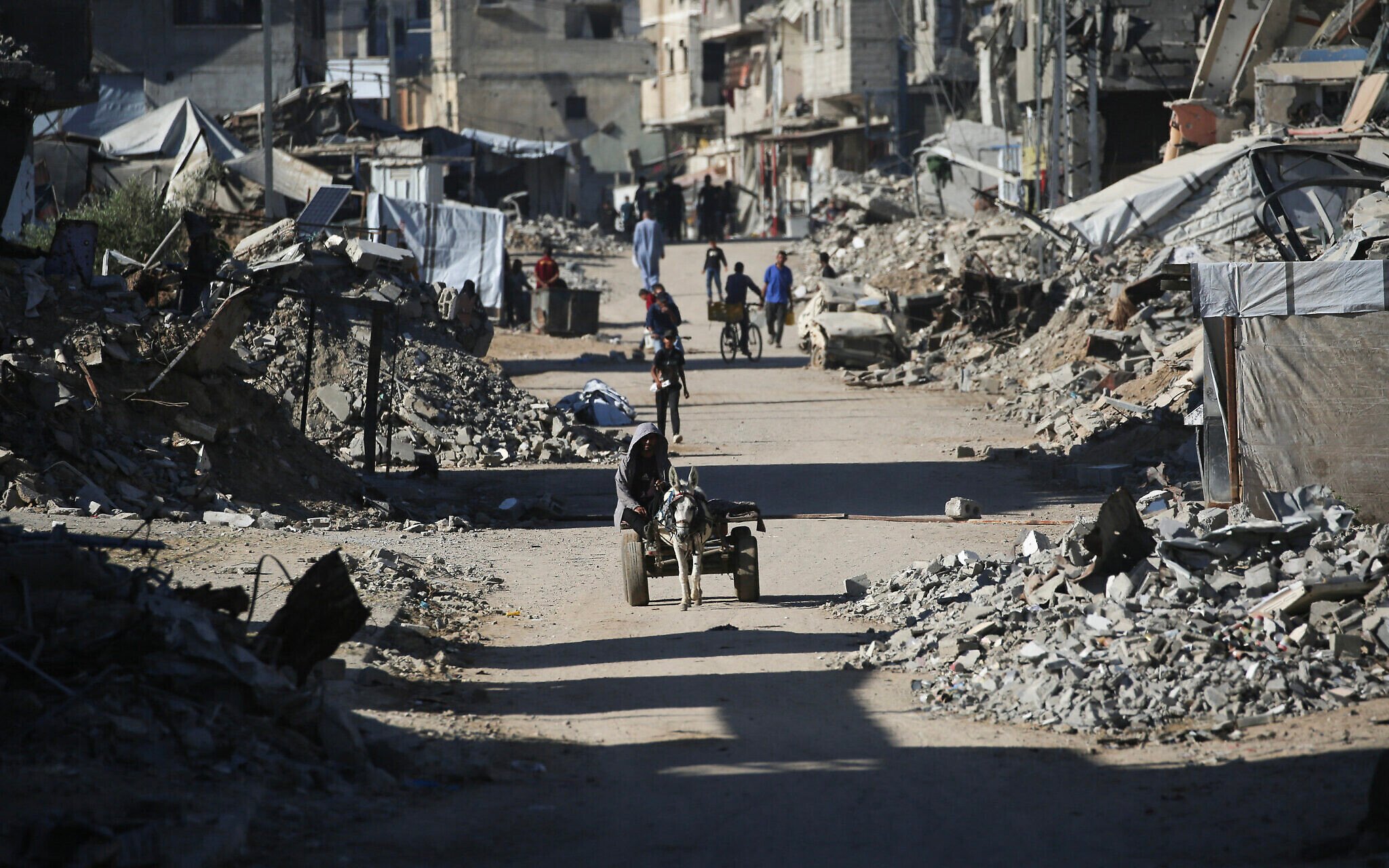
Despite the ongoing challenges, initial steps towards reconstruction are underway. Gaza municipalities, with support from the Qatari Committee for the Reconstruction of Gaza, have begun clearing debris and reopening key roads to facilitate the return of displaced residents. The deployment of heavy machinery signals a commitment to rebuilding, but progress is hampered by the security situation and the lack of sustained access for aid and construction materials. Gaza City Mayor Yahya al-Sarraj highlighted the crucial role of Qatari support in accelerating these efforts.
Internal Concerns and International Condemnation
The situation within Gaza is further intricate by reports of internal security concerns. A video circulating on social media depicting the summary execution of seven Palestinians allegedly by Hamas-affiliated security forces has sparked widespread condemnation. While Hamas has not officially commented on the incident, allegations of collaboration with Israel have surfaced. This internal development underscores the complex political landscape within Gaza and the challenges to establishing lasting stability.
Internationally,calls for adherence to the ceasefire and the urgent delivery of humanitarian aid are growing. Jordan’s King Abdullah II, during meetings with Pope Leon XIV and Italian Prime Minister Giorgia Meloni, emphasized the necessity of a two-state solution as the only path to a just and comprehensive peace. The Vatican has responded by pledging 5,000 doses of antibiotics for Palestinian children in Gaza, demonstrating a commitment to immediate humanitarian relief.
Famine Looms as Aid Delivery Remains Insufficient
The moast pressing concern remains the escalating risk of famine. Euro-Mediterranean Human Rights monitor warns that Israel has permitted only 173 aid trucks to enter Gaza as the truce began,with no deliveries occurring on Monday or Tuesday. This severely restricted access, coupled with continued ceasefire breaches, is described by the institution as “the continuation of genocide” and necessitates the immediate and unconditional lifting of the blockade.
The UN Under-Secretary-General for Humanitarian Affairs has echoed these concerns,urging Israel to allow the entry of thousands of aid trucks weekly.Reports from the World Food Program, cited by CNN, indicate that less than one-third of the agreed-upon aid shipments have been permitted to enter, highlighting a critical shortfall in essential supplies.
Political Rhetoric and the Path Forward
Israeli Prime Minister Benjamin Netanyahu has expressed hope for a “peaceful phase” contingent upon Hamas’s full compliance with the ceasefire terms. However, the conditions set – complete disarmament and dismantling of military infrastructure – are viewed by many as unrealistic and possibly designed to derail the truce. The US, through statements from CENTCOM, has similarly called for Hamas to disarm and surrender its weapons.
The current situation demands a renewed commitment to de-escalation, a sustained ceasefire, and the unimpeded delivery of humanitarian aid. Without a concerted effort to address the immediate needs
Worth a look