
Gaza‘s Humanitarian Crisis Deepens: Flooding, Infrastructure Collapse, and teh Threat to Aid Operations
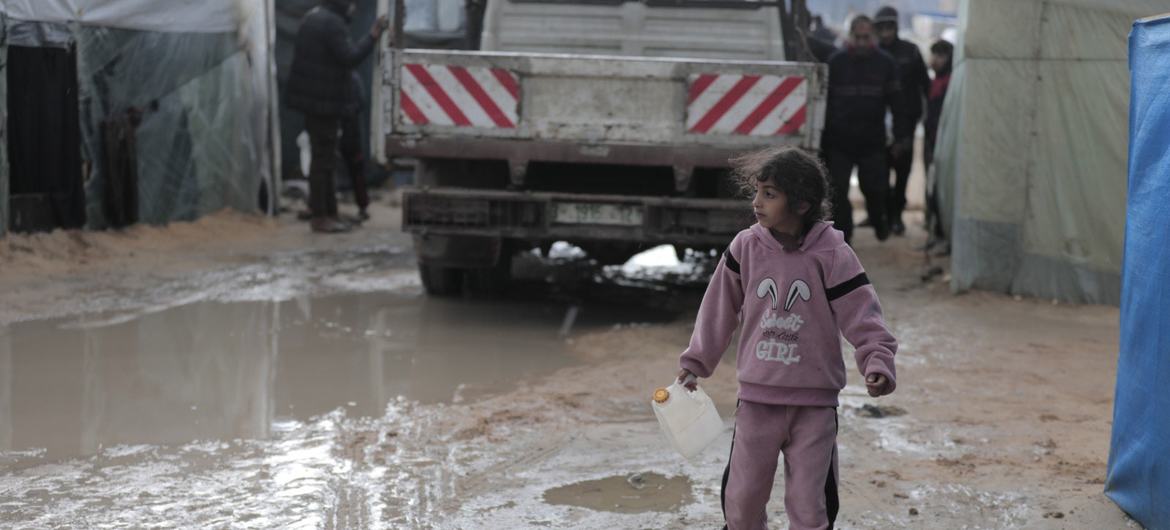
The already dire humanitarian situation in Gaza is rapidly deteriorating as relentless rainstorms and freezing temperatures exacerbate the suffering of displaced Palestinians.Recent flash floods have inundated makeshift shelters, destroyed tents, and triggered further collapse of already fragile infrastructure, pushing vulnerable families to the brink. Together, a looming crisis threatens the very organizations providing critical aid, potentially crippling the humanitarian response.
A Torrent of Misery: Flooding Compounds Existing Trauma
For months, the majority of Gaza’s population has endured displacement, loss, and the constant threat of violence. Now,they face a new enemy: the elements. recent rainfall, coupled with strong winds, has caused widespread flooding, particularly impacting those living in low-lying coastal areas and within the inadequate shelters erected for the displaced.
The UN Office for the Coordination of Humanitarian Affairs (OCHA) reports seawater has repeatedly breached tents in areas like Al Mawasi, Khan Younis, rendering them uninhabitable. Families, often already uprooted by the ongoing conflict, are forced to relocate yet again, salvaging what little remains of their possessions. The situation is compounded by the destruction of tents and makeshift shelters, leaving thousands exposed to the harsh winter conditions.
Beyond immediate shelter concerns, the collapse of residential buildings continues at an alarming rate. OCHA confirms 18 buildings have fully collapsed since early December, resulting in notable loss of life and property. Over 110 additional structures are dangerously damaged, posing an immediate threat to residents. This widespread destruction, coupled with the near-total breakdown of water and sanitation systems, creates a breeding ground for disease and further jeopardizes the health and well-being of the population.
UNICEF has underscored the particularly acute vulnerability of children, stating the destruction and infrastructure failures have left families exposed to the elements, increasing the risk of waterborne illnesses and other health complications. The recent week of severe weather has already impacted approximately 100,000 families, and with further rain and colder temperatures forecast, the situation is expected to worsen dramatically.
Immediate Response & Critical Needs
Despite the immense challenges, aid organizations are working tirelessly to provide essential support. UNICEF, in collaboration with partners, is focusing on:
* Water & Sanitation: Installing temporary water pipelines, ensuring access to latrines, and working to clear sewage pipelines and stormwater inlets. the rising water levels at the Sheikh Radwan lagoon – now at 2.2 meters, requiring 7,000 liters of fuel daily to prevent overflow – highlight the urgent need for increased resources.
* Essential Supplies: Distributing hygiene items, tarpaulins, blankets, and dignity kits to affected families.
* Shelter Support: Protecting existing tents from further flooding and exploring temporary shelter solutions.
However, the increasing fuel demands for essential services like sewage pumping and stormwater drainage are straining already limited resources.
A Looming Catastrophe: the Threat to INGO Operations
Compounding the existing crisis is a deeply concerning development: the potential suspension of licenses for 37 international aid organizations (INGOs) operating in Gaza, effective January 1st. This includes key UN partners like the Norwegian Refugee Council, organizations responsible for critical services like nutrition stabilization centers treating acutely malnourished children.
The UN and partner organizations warn that the forced closure of these INGOs would be devastating, leading to the closure of one in three health facilities in Gaza. The new INGO registration system, they argue, is based on “vague, arbitrary, and highly politicized criteria” that are impossible for humanitarian organizations to meet without violating international law or compromising core humanitarian principles.
This move comes at a time when the humanitarian response is already stretched to its breaking point, particularly following restrictions imposed on the UN Relief and Works Agency for Palestine Refugees in the Near East (UNRWA). The UN agencies and NGOs have issued a strong call for Israel to immediatly lift these impediments to humanitarian access and NGO operations.
The potential deregistration, followed by a 60-day closure period, threatens to dismantle the already fragile aid network, leaving millions of Palestinians without access to essential services. The work of these INGOs is irreplaceable,and their loss would have catastrophic consequences for the people of Gaza.
The Path Forward: Urgent Action Required
The situation in Gaza demands immediate and sustained international attention. Beyond the urgent need for increased humanitarian aid, a basic shift in approach is required. This includes:
* Unrestricted Humanitarian Access: Ensuring aid organizations can operate freely and safely throughout Gaza, without arbitrary restrictions or bureaucratic hurdles.
* Reconsideration of INGO Regulations: Israel must reconsider the new INGO registration system and adopt a clear,


