The Looming AI Revolution & The Billionaire Tax Debate: A Critical Crossroads for the US economy
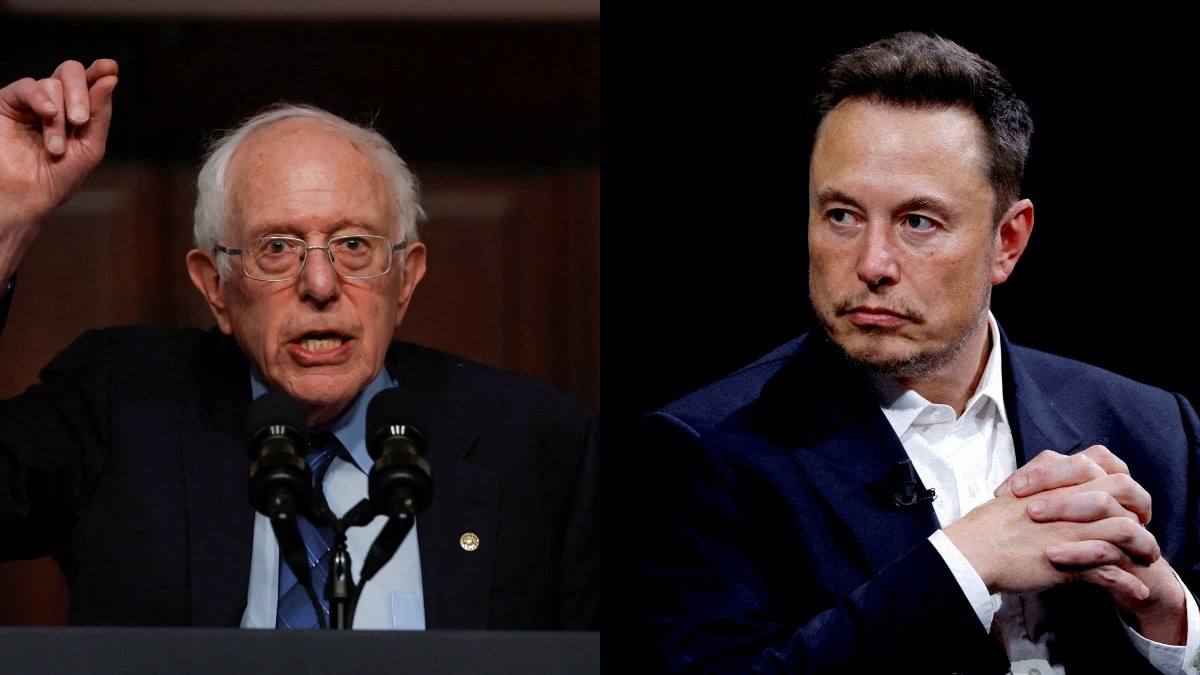
The debate surrounding wealth taxation, especially in the context of rapidly advancing artificial Intelligence (AI) and automation, is reaching a fever pitch. Recent remarks from US Senator Bernie Sanders have reignited this discussion, following his sharp critique of billionaires and tech leaders prioritizing profit over people. This isn’t simply a political argument; it’s a basic question about the future of work, economic fairness, and the very structure of the American economy.
The Core of the argument: Inequality & Automation
Sanders’ central concern, and one resonating with a growing segment of the population, is the unprecedented wealth inequality currently gripping the US. Millions struggle with basic necessities like housing, healthcare, and food, while a select few accumulate vast fortunes.
This disparity is exacerbated by the accelerating pace of AI and automation. Sanders warns that as machines become capable of performing more and more jobs, working-class Americans face increasing economic insecurity. he argues that if machines are doing the work, they should be contributing to the economic system – a concept often referred to as a “robot tax.”
Sanders’ Proposed Solutions: Wealth Tax & AI Accountability
Senator Sanders isn’t just identifying the problem; he’s proposing solutions. These include:
* A national Wealth Tax on Billionaires: This tax would target the accumulated wealth of the ultra-rich, not just their annual income. sanders believes this would ensure billionaires contribute more directly to public services and support those displaced by automation.
* Higher Taxes on the Ultra-Rich: Specifically targeting those benefiting most from the AI revolution.
* Questioning Tech Leaders: Holding figures like Elon Musk accountable for predictions of widespread job displacement and exploring mechanisms to mitigate the negative consequences.
He frames this not as punitive, but as a necessary correction to a system that is increasingly failing to deliver shared prosperity.
Elon Musk’s Counterarguments: Innovation & Debt Reduction
Elon Musk, a frequent target of Sanders’ criticism, offers a contrasting outlook. He argues that heavy taxation risks stifling innovation and punishing success. Musk believes technological advancement, particularly AI and robotics, is key to solving America’s growing debt problem.
During a recent appearance on the Nikhil Kamath Podcast, Musk stated that large-scale AI and robotics are “pretty much the only thing that’s going to solve the US debt crisis.” He envisions these technologies driving economic growth and creating new opportunities,rather than simply eliminating jobs.
The Debate: pros & Cons of a Wealth Tax
The idea of a wealth tax is far from universally accepted. Here’s a breakdown of the key arguments:
Arguments in Favor:
* Reduced Inequality: A wealth tax could considerably reduce the gap between the richest Americans and the rest of the population.
* Increased Public Revenue: The tax revenue generated could fund vital public services like education, healthcare, and infrastructure.
* Fairness: Proponents argue it’s simply fairer for the wealthiest individuals to contribute a larger share to the society that enabled their success.
arguments Against:
* Discourages Investment: Critics fear a wealth tax could discourage investment and innovation, as the wealthy may be less inclined to take risks if a important portion of their gains are taxed.
* Valuation Challenges: Accurately valuing assets like shares, company ownership, and real estate can be complex and lead to disputes.
* Capital Flight: There’s concern that wealthy individuals may move their assets to countries with more favorable tax policies.
Navigating the Complexities: A Path Forward
The debate surrounding a wealth tax and the impact of AI on the workforce is incredibly complex. There are legitimate concerns on both sides. However, ignoring the growing economic anxieties fueled by automation is not an option.
A nuanced approach is needed, one that:
* Invests in Workforce Progress: Preparing workers for the jobs of the future through retraining and education programs.
* Explores Option Economic Models: Considering concepts like universal basic income or expanded social safety nets to provide a cushion for those displaced by automation.
* Promotes Responsible AI Development: Encouraging the development and deployment of AI in a way that prioritizes human well-being and minimizes job displacement.
* Open Dialogue: Fostering a constructive dialogue between policymakers, tech leaders, and the public to find solutions that benefit all Americans.