Gaza Crisis Deepens: Siege Tightens as Aid Flotilla Approaches – A comprehensive Update
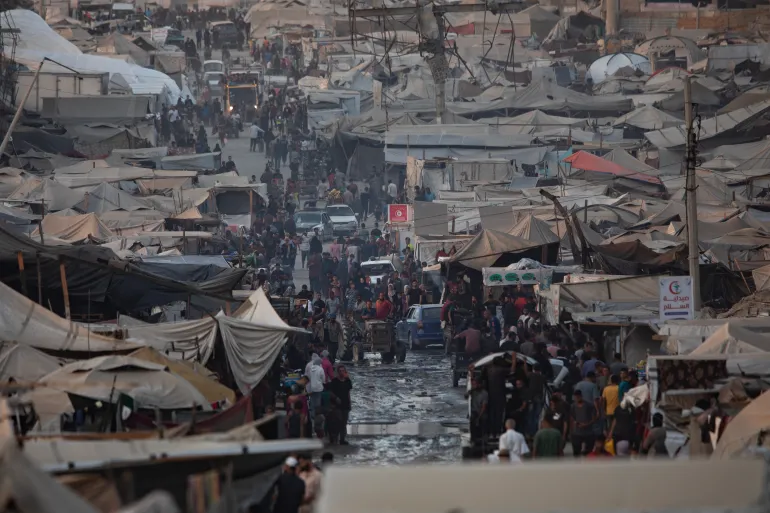
The situation in Gaza is reaching a critical juncture.As the death toll surpasses 66,000,and with over 13,280 Palestinians killed since fighting resumed in March,the humanitarian crisis intensifies. Israel’s tightening siege, coupled with escalating hostilities, is pushing Gaza to the brink. But amidst the devastation, a beacon of hope – and potential confrontation – emerges in the form of the “Freedom Flotilla,” a convoy of ships laden with aid and carrying international activists persistent to reach Gaza’s shores.
What is truly happening on the ground, and what does the future hold for the people of Gaza? This article provides a comprehensive overview of the latest developments, examining the escalating conflict, the humanitarian catastrophe, the international response, and the looming confrontation at sea.
The Escalating Toll: A Humanitarian Catastrophe Unfolding
The latest reports from the Gaza Health Ministry paint a grim picture. In the past 24 hours alone,51 deaths and 180 injuries have been recorded,bringing the total number of wounded to over 168,000 since October 2023. These numbers aren’t just statistics; they represent shattered lives, devastated families, and a healthcare system on the verge of collapse.
Israel’s recent actions are exacerbating the crisis. The closure of the Al-Rashid coastal road, a crucial supply route, restricts movement and effectively divides the Gaza Strip, hindering the delivery of essential aid and preventing civilians from returning to their homes. The establishment of the Natzarim corridor, extending to the Mediterranean coast, further solidifies this division, effectively tightening the siege on Gaza City. The Gaza Government Media Office has rightly condemned this as a punitive measure designed to forcibly displace civilians.
Hamas has warned that rhetoric suggesting anyone remaining in Gaza City is considered a combatant or supporter of terrorism lays the groundwork for intensified war crimes.Accusations of ethnic cleansing and systematic forced displacement are being leveled,demanding immediate international intervention.The reality on the ground is a desperate struggle for survival, with civilians bearing the brunt of the conflict.
Battlefield Developments and Airstrikes
Fighting continues across Gaza. Hamas’ Al-Qassam Brigades and Islamic Jihad’s Al-Quds Brigades report shelling an Israeli command post near Khan Younis, while Israeli airstrikes are relentlessly targeting Gaza City and surrounding areas.These strikes are resulting in devastating civilian casualties, with entire families tragically lost. The constant bombardment creates an atmosphere of fear and instability, making it nearly unfeasible for aid organizations to operate effectively.
the Freedom Flotilla: A Risky Humanitarian Mission
As the situation deteriorates, the “freedom Flotilla” – a convoy of approximately 50 ships carrying vital humanitarian supplies and international activists - is closing in on Gaza, now just 120 nautical miles away. The organizers report entering a “high-risk zone,” facing electronic interference and the presence of unidentified vessels.
Despite explicit threats from Israel,the flotilla remains steadfast in its mission. The international community is watching closely. Colombian President Gustavo Petro has warned that any attack on the flotilla would constitute a “crime against humanity,” and Australia has expressed concern for its citizens onboard, lodging a formal protest with Israel regarding reports of harassment. The potential for a violent confrontation at sea is very real,raising the stakes in an already volatile situation.
Aid Organizations Struggle Amidst Hostilities
The International Committee of the Red Cross (ICRC) has been forced to temporarily suspend operations in Gaza City due to the escalating hostilities, relocating its staff to southern Gaza. This suspension highlights the immense challenges faced by aid organizations attempting to provide assistance in a war zone. The ICRC warns that “tens of thousands” of civilians remain trapped in Gaza City, enduring “horrific humanitarian conditions.” Access to food, water, medical care, and shelter is severely limited, creating a desperate situation for those left behind.
Diplomatic Efforts and the Path to Recovery
Despite the bleak outlook, diplomatic efforts continue. Egyptian Foreign Minister Badr Abdelatty recently met with UNRWA Commissioner-General Philippe Lazzarini in Al-Ula, saudi Arabia, reaffirming Egypt’s unwavering support for the agency. Abdelatty strongly condemned israeli restrictions on aid trucks,warning that they are driving Gaza towards famine.
egypt has also announced its intention, in collaboration with Palestine and the United Nations, to host an international conference on Gaza’s early recovery efforts – but only after a ceasefire is established.This underscores the critical need for a cessation of hostilities to allow for meaningful reconstruction and long-term stability.
Evergreen Insights: Understanding the Root Causes and Long-Term Implications
The current crisis in Gaza is not a sudden
- Peru and USA Strengthen Ties Under President Keiko Fujimori: Security and Strategic Cooperation
- ABC Defamation Lawsuit: Boston Legal Proceedings Update
- Why Paying For A Death Certificate Feels Like Playing The Lottery (archyde.com)
- Trump Orders New Strike on Iran as Conflict Enters Sixth Month (world-today-news.com)