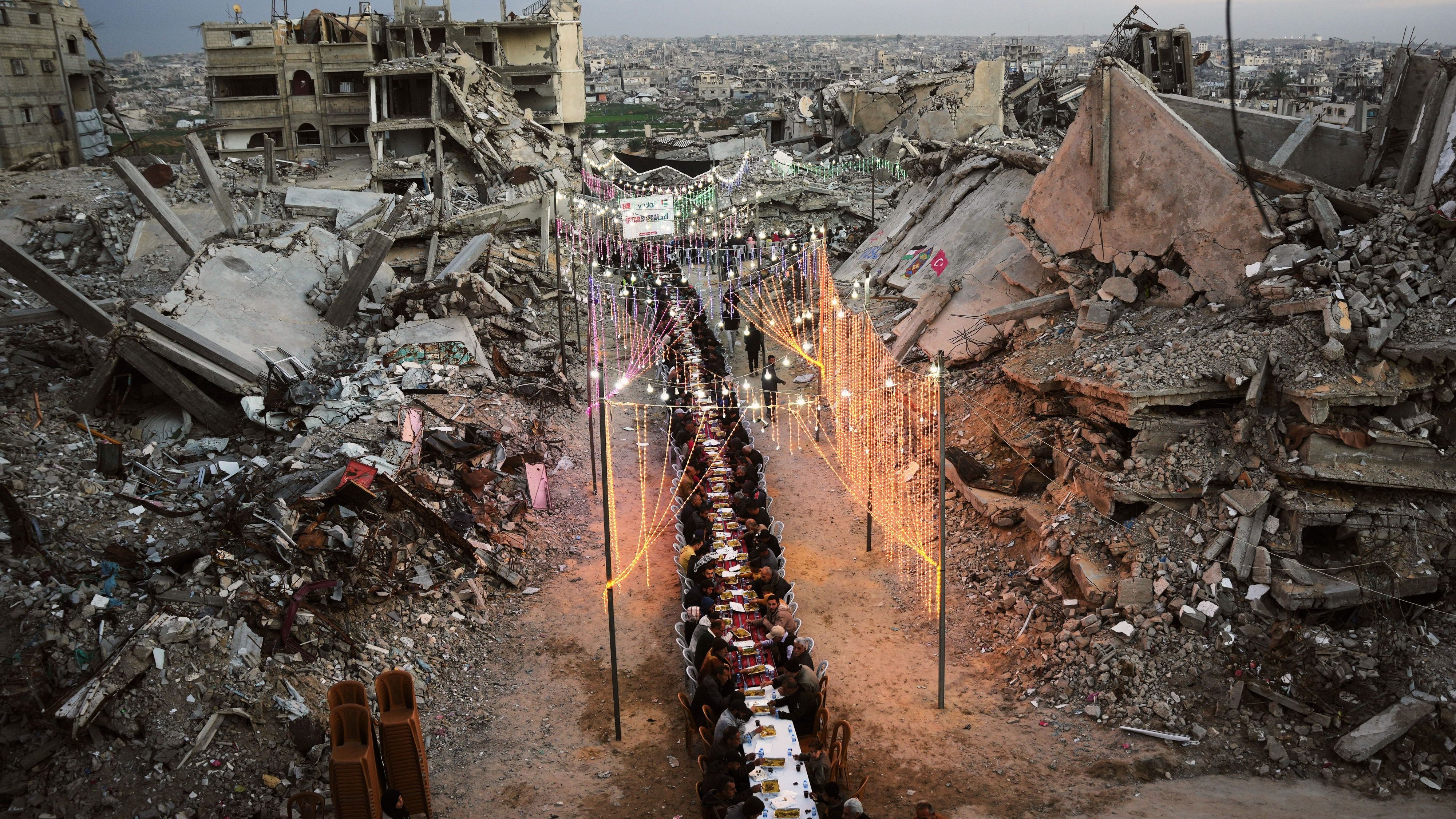
Gaza City – As the conflict in Gaza continues, a severe cash flow crisis is gripping the region, forcing residents and aid organizations to seek alternative means of payment. Traditional banking systems have largely ceased to function, ATMs are empty, and even the Israeli shekel – the primary currency used in Gaza – is becoming increasingly scarce and often unusable due to wear and tear. In response, a growing number of Palestinians are turning to cryptocurrencies as a way to conduct transactions, a trend that is attracting both humanitarian groups and, reportedly, entities linked to terrorist networks.
The situation is dire. Residents describe a daily struggle to access even small amounts of cash. Najlaa Sukkar, a 48-year-old resident of Gaza, recently recounted to Al Jazeera her inability to pay for a medical check-up because the 20-shekel note she possessed was deemed too frayed to be accepted. “I returned without receiving medical care,” she said. This isn’t an isolated incident; merchants are increasingly reluctant to accept worn banknotes, and taxi drivers often demand small change, which is difficult to obtain. Samar Abu Harbied, a 45-year-old housewife, told Al Jazeera she hasn’t used paper money in months and relies on family members to wire funds to local grocers on her behalf.
The Shekel’s Decline and the Rise of Digital Alternatives
Palestinians in Gaza have long relied on the Israeli shekel for daily transactions, but the current crisis stems from Israel’s restrictions on supplying banks in Gaza with new banknotes and coins following the start of the war in October 2023. As Al Jazeera reported on February 27, 2026, this disruption has created a significant liquidity problem, exacerbating the already challenging economic conditions in the territory. The scarcity of new shekels means that existing notes are circulated repeatedly, leading to rapid deterioration.
The Associated Press reported on July 9, 2025, that people in Gaza are now paying a 40% cut to middlemen simply to obtain cash. This premium highlights the desperation for liquidity and the extent to which the traditional financial system has broken down. The AP also documented scenes of Palestinians attempting to repair damaged banknotes in an effort to make them acceptable for transactions. Broken ATMs and destroyed bank branches further illustrate the collapse of conventional banking infrastructure.
Into this void, cryptocurrencies are stepping in. While the exact scale of cryptocurrency adoption in Gaza remains difficult to quantify, reports indicate a growing trend, particularly among those seeking to bypass traditional financial controls and access aid. The decentralized nature of cryptocurrencies allows for peer-to-peer transactions without the demand for intermediaries like banks, making them an attractive option in a situation where trust in traditional institutions is low and access is limited.
Cryptocurrencies: A Double-Edged Sword
The use of cryptocurrencies in Gaza is not without its complexities. While they offer a potential solution to the cash flow crisis, they also raise concerns about their potential misuse by groups designated as terrorist organizations. The anonymity afforded by some cryptocurrencies can make it difficult to track funds and prevent them from being used to finance illicit activities.
The Jerusalem Post reported in February 2025 on a proposal to invalidate Gaza banknotes in an attempt to cripple Hamas’s financial resources. The proposal, which called on the Bank of Israel to cancel specific series of shekels transferred to Gaza, underscores the concerns about the flow of funds within the territory. While the focus of this proposal was on traditional currency, the increasing use of cryptocurrencies adds another layer of complexity to the challenge of combating financial support for militant groups.
Humanitarian organizations are also exploring the use of cryptocurrencies to deliver aid more efficiently and transparently. By bypassing traditional banking channels, aid can be delivered directly to beneficiaries, reducing the risk of diversion and ensuring that funds reach those who need them most. Yet, the volatility of cryptocurrency values and the lack of widespread digital literacy in Gaza pose significant challenges to this approach.
Challenges to Cryptocurrency Adoption
Despite the potential benefits, several obstacles hinder the widespread adoption of cryptocurrencies in Gaza. Internet access remains limited and unreliable, making it difficult for many residents to conduct online transactions. A lack of understanding about cryptocurrencies and the risks associated with them – such as price volatility and the potential for scams – is a significant barrier.
The digital divide is particularly acute in Gaza, where many residents lack access to smartphones or computers. Even for those who do have access, the cost of data and electricity can be prohibitive. These factors limit the ability of Palestinians to participate in the cryptocurrency ecosystem and fully benefit from its potential advantages.
The Future of Finance in Gaza
The cash crisis in Gaza is a symptom of a much larger political and economic problem. The ongoing conflict, coupled with Israeli restrictions on movement and trade, has severely damaged the Gazan economy and left its residents vulnerable. While cryptocurrencies may offer a temporary solution to the immediate cash flow problem, they are not a long-term fix.
A sustainable solution requires a broader political settlement that addresses the underlying causes of the conflict and allows for the reconstruction of the Gazan economy. This includes lifting restrictions on trade, allowing for the free flow of goods and people, and investing in infrastructure and education. Until these fundamental issues are addressed, the residents of Gaza will continue to struggle with economic hardship and uncertainty.
The situation in Gaza highlights the growing importance of digital currencies and the need for international cooperation to address the challenges and opportunities they present. As cryptocurrencies become more mainstream, This proves crucial to develop regulatory frameworks that promote innovation while mitigating the risks associated with their use. This is particularly significant in conflict zones, where cryptocurrencies can be exploited by both legitimate actors and those seeking to undermine peace and security.
The next key development to watch will be the response of Israeli authorities to the increasing use of cryptocurrencies in Gaza. Any attempt to regulate or restrict their use could have significant implications for the Gazan economy and the delivery of humanitarian aid. Further updates on this evolving situation will be reported as they become available.
What are your thoughts on the use of cryptocurrency in conflict zones? Share your comments below and let us know what you think.
Keep reading