
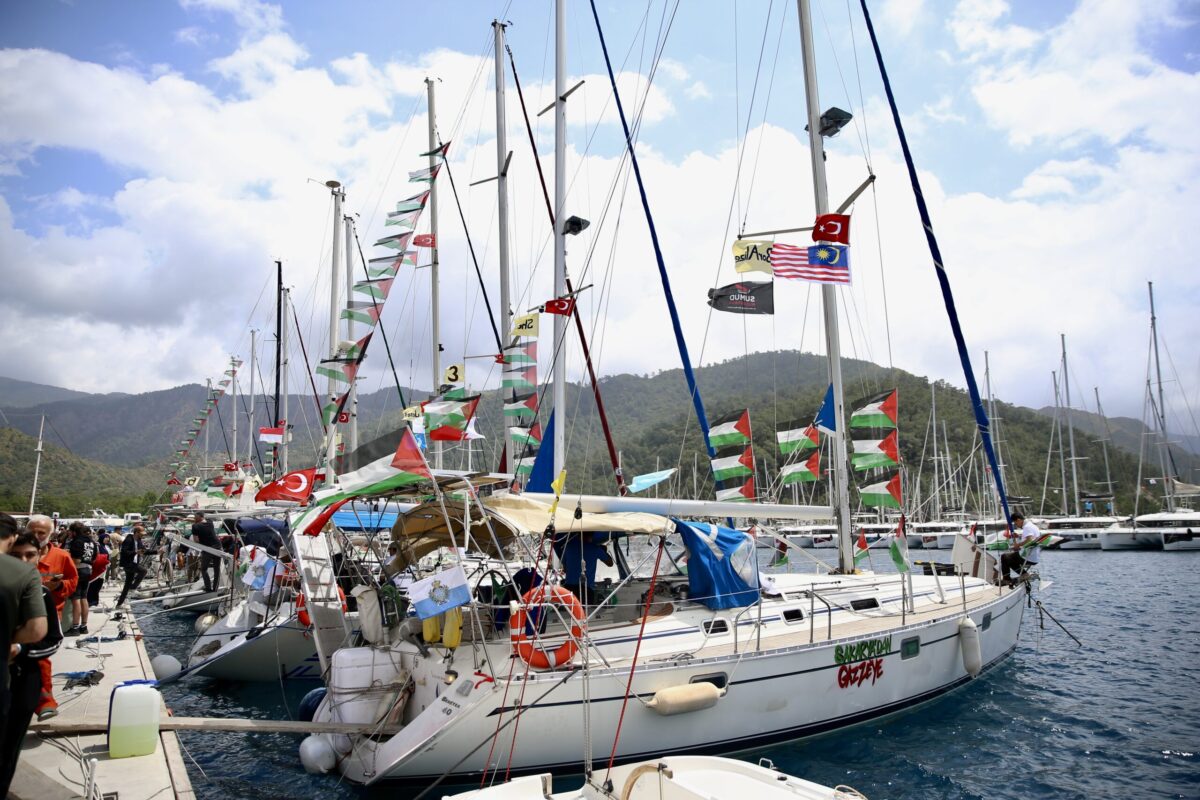
As the dust settles following the recent interception of the Global Sumud Flotilla, international attention has turned toward the aftermath of the operation. This week, hundreds of activists were released and deported from Israel after participating in an attempt to breach the naval blockade of the Gaza Strip, an event that has triggered significant diplomatic friction and raised urgent questions regarding the future of humanitarian maritime efforts in the region. According to reports verified by the Associated Press, the activists arrived in Istanbul on Thursday, May 21, 2026, following their detention by Israeli authorities.
The incident has prompted a broader, critical examination of the ongoing maritime restrictions surrounding the Gaza Strip, a territory currently marked by a complex status of Israeli-occupied territory and internal governance. The Global Sumud Flotilla, which sought to challenge the blockade, saw its participants intercepted in international waters before being taken into custody. The subsequent treatment of these individuals—many of whom were filmed upon their arrival in Turkey exhibiting signs of distress—has led to heightened international scrutiny and the summoning of Israeli envoys by several foreign governments.
Diplomatic Repercussions and International Scrutiny
The aftermath of the deportation process has reached beyond the immediate parties involved, affecting diplomatic relations between Israel and the nations of the detained activists. Following the release of videos by Israel’s national security minister that were perceived as taunting the detainees, a wave of international backlash emerged. Several countries have formally summoned Israeli diplomats to discuss the treatment of their citizens during the detention period, highlighting the sensitivity of the maritime blockade and the rights of those who seek to circumvent it.
The situation remains fluid. While the immediate crisis of the detained activists is resolving through their repatriation, the underlying tension surrounding the naval blockade remains a central point of contention. The Gaza Strip, which encompasses approximately 365 square kilometers and is home to a population estimated at over two million people, continues to face severe movement and access restrictions. Data regarding the geographical and demographic context of the territory underscores the scale of the humanitarian challenges, as international actors continue to debate the efficacy and legality of the current blockade policies.
The Global Sumud Flotilla: Context and Objectives
The Global Sumud Flotilla was organized with the explicit intent of breaching the naval blockade, a policy that Israel maintains is necessary for security reasons. The interception of these vessels in international waters has reignited the debate over the freedom of navigation and the delivery of humanitarian aid to Gaza. For many participants, the mission was intended to serve as a symbolic and practical challenge to the isolation of the territory.
The images circulating from the return of these activists—many wearing grey sweatsuits and keffiyehs—have become a focal point for global discourse. The reports of their detention, which some activists have described in stark terms upon their arrival in Istanbul, have necessitated a careful look at the international standards for the treatment of detainees. While the Israeli government has moved to deport the participants, the geopolitical impact of these actions is likely to persist as legal and diplomatic inquiries proceed.
Looking Ahead: The Path Toward Resolution
As we look toward the coming weeks, the focus of the international community is expected to shift toward the potential legal actions being discussed by the organizations behind the flotilla. There have been stated intentions to pursue legal avenues in the various home countries of the participants, though the procedural details and the feasibility of such cases remain to be seen. The situation serves as a stark reminder of the volatility inherent in the region’s long-standing geopolitical conflicts.
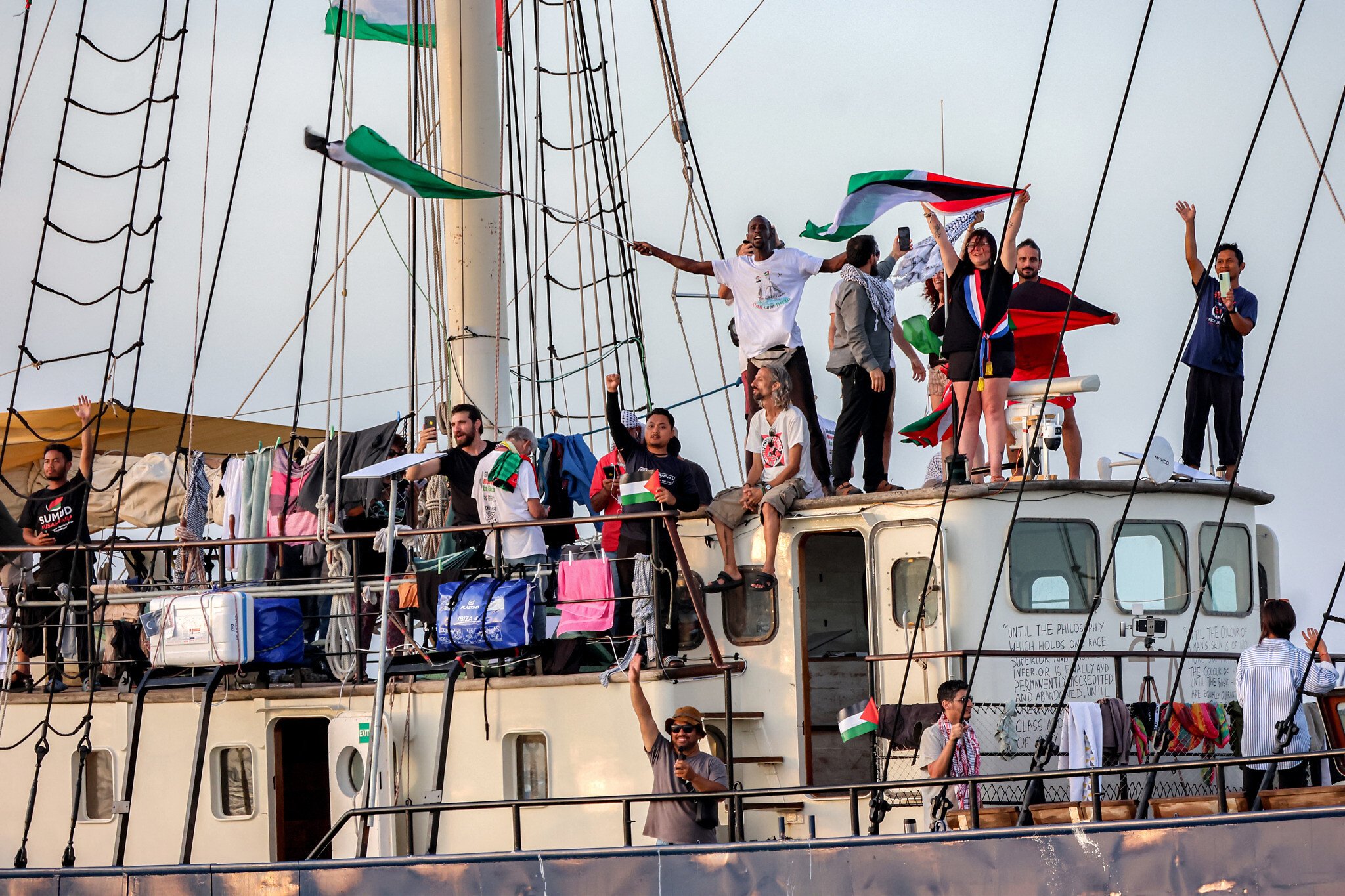
The next critical checkpoint in this unfolding narrative will involve the formal diplomatic responses from the nations whose citizens were detained and subsequently deported. Observers are also monitoring for any shifts in regional policy regarding the maritime blockade in light of the renewed international pressure. As Maria Petrova, I will continue to monitor these developments closely, focusing on the intersection of international humanitarian law and the geopolitical realities of the Southern Levant.
We invite our readers to share their perspectives on these complex developments. As the situation evolves, the World Today Journal remains committed to providing verified, balanced reporting on the events shaping our global landscape. Your engagement and insights are vital to our mission of fostering informed discourse on the most pressing issues of our time.
Worth a look