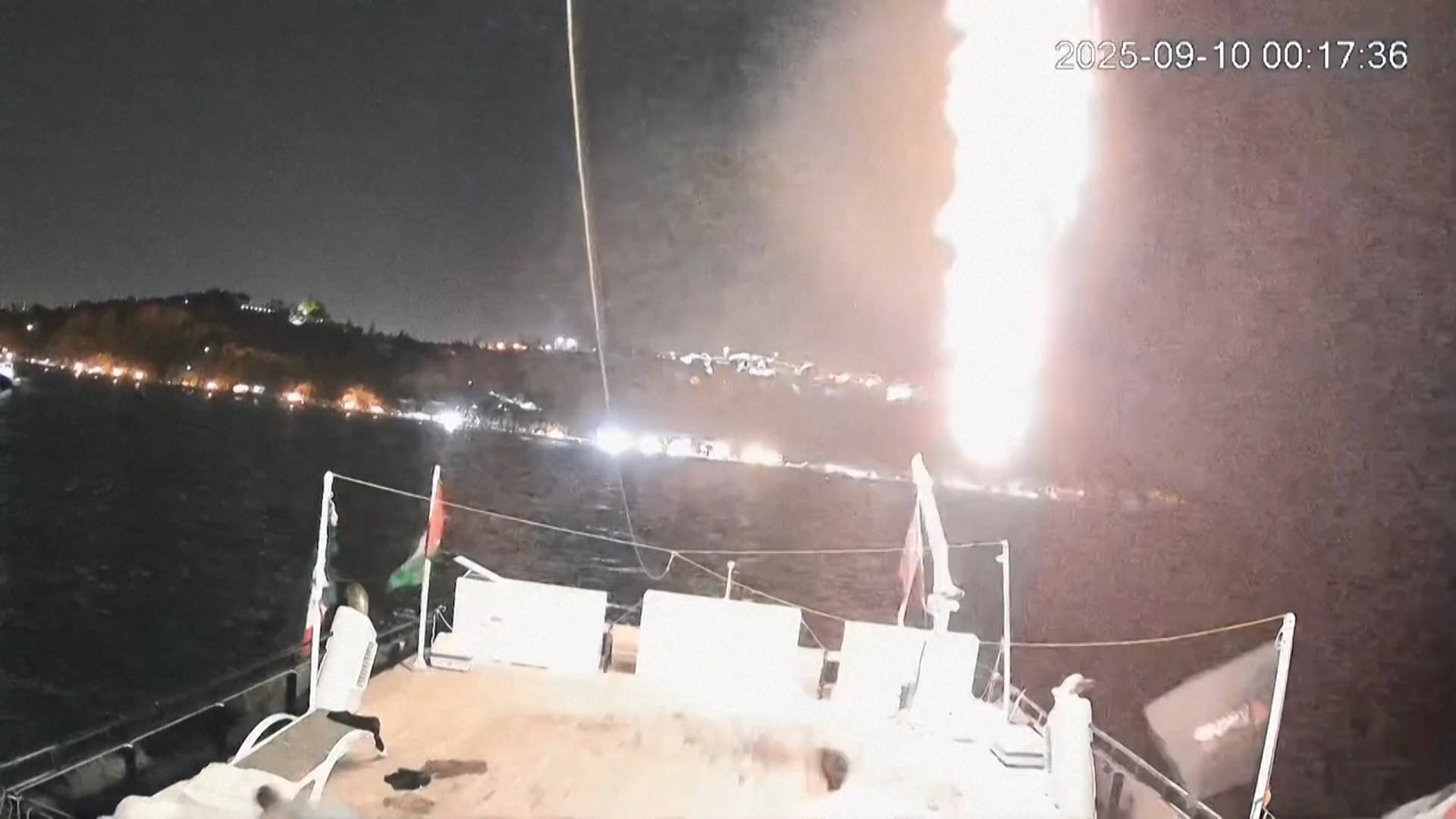
Breaking the Blockade: Why Repeated Attempts to Reach Gaza Matter
For over 16 years, the Gaza Strip has endured a crippling blockade imposed by Israel, with varying degrees of Egyptian cooperation. This isn’t simply a restriction of movement; it’s a systematic constriction of life, impacting access to essential goods, healthcare, economic opportunity, and even basic human dignity. Recent efforts like the Global March to Gaza and the ongoing Global Sumud Flotilla represent crucial, though often fraught, attempts to challenge this blockade and shine a spotlight on the ongoing humanitarian crisis. But why are these repeated attempts so vital, and what impact are they truly having?
The importance lies in a multi-faceted approach to a deeply entrenched problem. As Palestinian activist Saif Abukeshek powerfully articulated, these actions are born from a recognition of the complicity of many governments in what he terms a ”genocide” – a strong word reflecting the devastating impact of the blockade and recurring conflicts. Without sustained civil society pressure, he argues, there will be little progress for the two million Palestinians living under these conditions.
The Power of Collective Action & Shifting Political Landscapes
These aren’t isolated incidents. The Global March to Gaza in June exemplified a coordinated effort, mobilizing people through land convoys from North Africa, a maritime mission with the Madleen vessel, and a massive influx of over 4,000 individuals from 80+ countries converging on Egypt.This demonstrates a growing international solidarity movement actively challenging the status quo.
Crucially, this mobilization is yielding results, albeit incrementally. abukeshek points to the Spanish government’s recent decision to implement a military embargo on Israel as a direct consequence of such pressure. This is a notable step, demonstrating that sustained advocacy can force governments to reassess their relationships and policies.However, he rightly emphasizes that change is an “accumulative process,” requiring continuous mobilization and pressure on governments to hold Israel accountable. These governments, he asserts, are enabling the continuation of the blockade and it’s associated suffering.
Beyond Humanitarian Aid: Reclaiming Visibility & Challenging Narratives
While delivering aid is a component, the impact of initiatives like the Global Sumud Flotilla extends far beyond immediate humanitarian relief. As Portuguese parliamentarian Mariana Mortágua explains, a primary goal is to re-humanize Gaza. For many, Gaza exists as an abstract concept, a distant conflict zone. These missions force a reckoning with the reality of life under siege, showcasing the existence of a vibrant community enduring immense hardship.
Mortágua’s experience highlights the frustrating reality of political inaction.She recounts that it took a Portuguese vessel, flying the Portuguese flag, being targeted – an act she implicitly attributes to Israeli interests – to finaly elicit a response from the Portuguese government regarding the situation in Gaza. This underscores a critical point: governments frequently enough remain silent or offer tepid responses until confronted with direct consequences or public outcry.
The Ripple Effect: Impact on Public Opinion & European Policy
The impact on public opinion, particularly within Europe, is substantial. These actions force mainstream media coverage, sparking conversations and challenging dominant narratives. Mortágua emphasizes the need to pressure the European Commission and European institutions to take a firm stance on Israel’s violations of international law.
The willingness of European citizens and parliamentarians to participate in these risky missions – risking confrontation and potential arrest – sends a powerful message. It demonstrates a commitment to international law, human rights, and the principle of accountability. It also exposes the hypocrisy of governments that claim to uphold these values while together maintaining close ties with a state accused of systemic human rights abuses.
Why Continued Efforts are Essential
The situation in gaza remains dire. The blockade continues to stifle economic development, limit access to healthcare, and contribute to a cycle of poverty and despair. Repeated attempts to break the siege, while often met with resistance and condemnation, are not futile gestures. They are vital for several reasons:
* Maintaining Visibility: Keeping Gaza in the international spotlight prevents the issue from fading into the background.
* Building Momentum: Each attempt builds on the previous one, increasing public awareness and political pressure.
* Challenging Legitimacy: These actions challenge the legitimacy of the blockade and the international community’s tacit acceptance of it.
* Empowering Palestinians: Demonstrating international solidarity provides a crucial morale boost to the Palestinian people.
* Forcing Accountability: Pressuring governments to take concrete action, such as arms embargoes and sanctions, can hold Israel accountable for its actions.
The Global Sumud Flotilla, and similar initiatives, represent a commitment to sumud – a Palestinian concept of
Related reading