
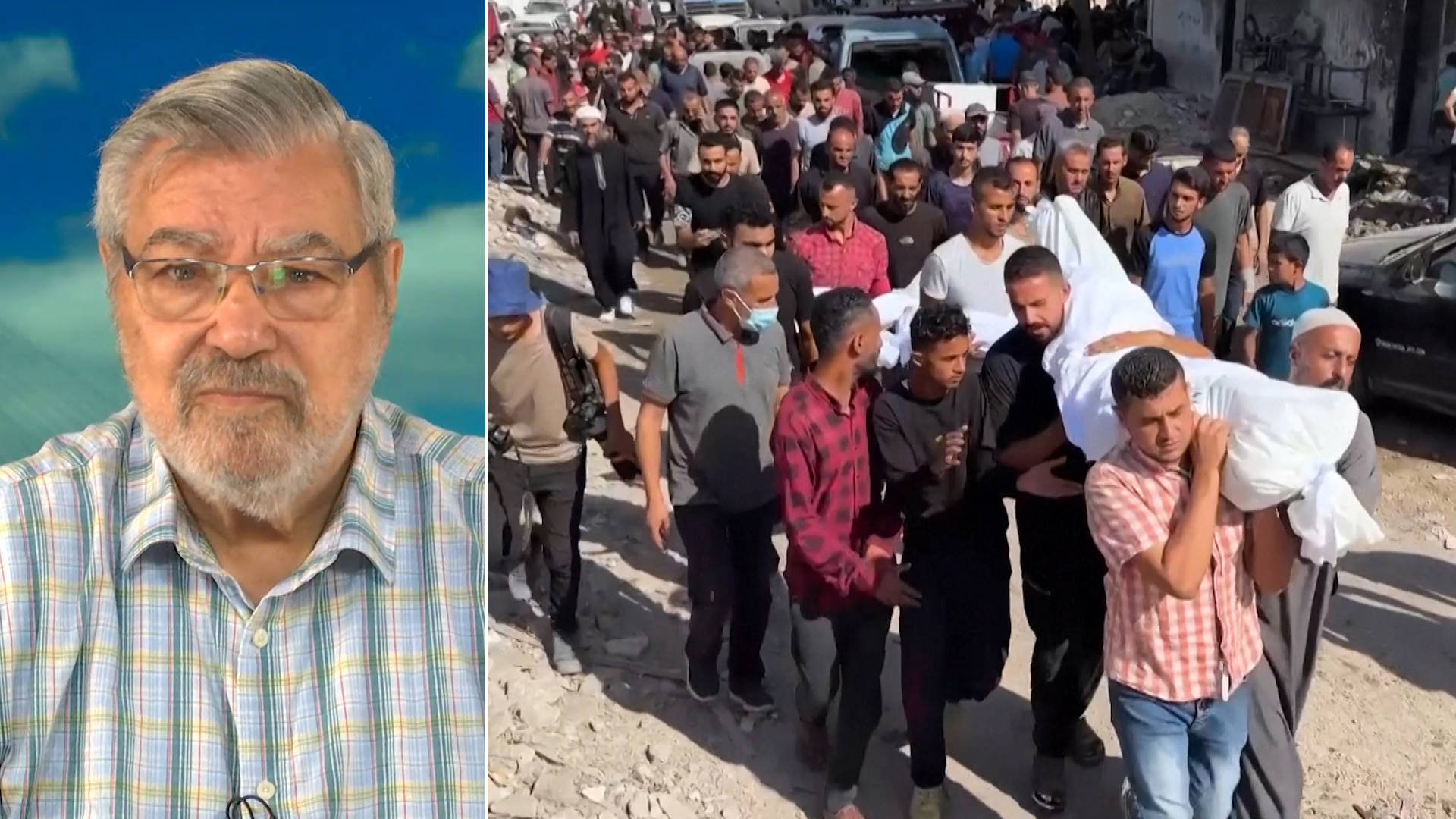
Mounting Scholarly Consensus: Is Israel’s Conduct in Gaza Constituting Genocide?
Teh situation in Gaza has reached a critical juncture,marked not only by escalating humanitarian crisis but also by a growing chorus of international voices characterizing Israel’s actions as genocide. This isn’t simply a matter of political rhetoric; it’s a conclusion reached by a significant body of academic experts specializing in the vrey definition adn recognition of genocide. Recently, the International Association of Genocide Scholars (IAGS), the world’s leading association dedicated to the study of genocide, passed a resolution affirming that Israel’s policies and actions in Gaza meet the legal definition of genocide as outlined in the 1948 Genocide Convention. This declaration, coupled with ongoing displacement in the West Bank and continued violence against Palestinians, demands a serious and urgent examination.
The IAGS resolution isn’t an isolated incident. It represents a culmination of observations and analysis by those who dedicate their lives to understanding the patterns and mechanisms of mass atrocities. To understand the weight of this finding, we need to delve into the context, the significance of the IAGS, and the potential implications for international action.
The IAGS Resolution: A Deliberate and Significant Step
As highlighted in a recent Democracy Now! interview with Melanie O’Brien, President of the IAGS, the resolution passed with an “overwhelming majority, far beyond the two-thirds majority required.” This isn’t a hasty judgment. The IAGS is known for its cautious and rigorous approach to applying the term “genocide.” It’s a label they don’t apply lightly,understanding the gravity and legal ramifications.
This is a point emphasized by Palestinian-American journalist and public policy fellow at the American university of Beirut, Rami Khouri, in the same interview. Khouri spoke with Omer Bartov, a leading Israeli-American genocide and holocaust scholar at Brown University, about the significance of the IAGS decision. Bartov explained that the association’s conservative nature makes the resolution all the more impactful. “These guys are pretty low-key. They’re careful about what they do,” Khouri relayed. “The fact that they came out with such a big majority…that’s significant, because it makes it pretty obvious to the whole world, if anybody needed more proof, that even conservative scholars…they are coming right out and saying this is a genocide.”
Understanding the Context: A History of Displacement and Violence
The current crisis didn’t emerge in a vacuum. As Khouri points out, the patterns of displacement and violence against Palestinians have been ongoing “since the 1930s, when the Zionist movement came in and said, ‘We want a Jewish state,’ in a land that was 93% Arab, palestinian.” While the scale and visibility of the current situation in Gaza are unprecedented, the underlying dynamics of dispossession and systemic oppression are deeply rooted in historical precedent.
The ongoing displacement of approximately 42,000 Palestinians in the West Bank, coupled with escalating violence perpetrated by Israeli settlers, further underscores this pattern. These actions, occurring alongside the devastation in Gaza, paint a picture of a coordinated effort to alter the demographic and political landscape, raising serious concerns about intent – a crucial element in determining whether acts constitute genocide under international law.
What Constitutes Genocide? A Legal Framework
The 1948 genocide Convention defines genocide as acts committed with intent to destroy, in whole or in part, a national, ethnical, racial or religious group. These acts include:
Killing members of the group.
Causing serious bodily or mental harm to members of the group.
Deliberately inflicting on the group conditions of life calculated to bring about its physical destruction in whole or in part.
Imposing measures intended to prevent births within the group.
* Forcibly transferring children of the group to another group.
The IAGS resolution suggests that the evidence supports a finding that Israel’s actions in Gaza fall under these definitions, especially regarding the deliberate infliction of conditions of life calculated to bring about destruction and the potential for long-term demographic shifts through displacement and violence.
The Critical Question: What Happens Next?
The IAGS resolution is a powerful statement, but its impact hinges on whether it translates into concrete action. Khouri rightly asks: “Will this…spur any of the major Western powers to take action? Will the signatories of the Genocide Convention do what they’re supposed to do, which is stop the genocide by any





