Gaza‘s Healthcare Crisis: urgent Need for Expanded Medical Evacuations
The situation in Gaza remains critically fragile, with a healthcare system overwhelmed and a desperate need for medical evacuations. Recent data reveals a staggering backlog of patients requiring treatment outside the region, highlighting a crisis that demands immediate international attention. I’ve found that understanding the scope of this challenge is the first step toward effective action.
The Scale of the Crisis
Between July 2024 and November 28, 2025, over 14,000 patients were awaiting medical evacuation from Gaza. This number, though, is almost certainly an underestimate. Many individuals aren’t even registered within the formal systems, meaning the true number of those needing urgent care is significantly higher.
Currently, approximately 18,500 patients within Gaza require treatment unavailable locally, including over 4,000 children. These are not just statistics; these are individuals facing life-threatening conditions with limited time to wait.
Challenges to Evacuation & Current Support
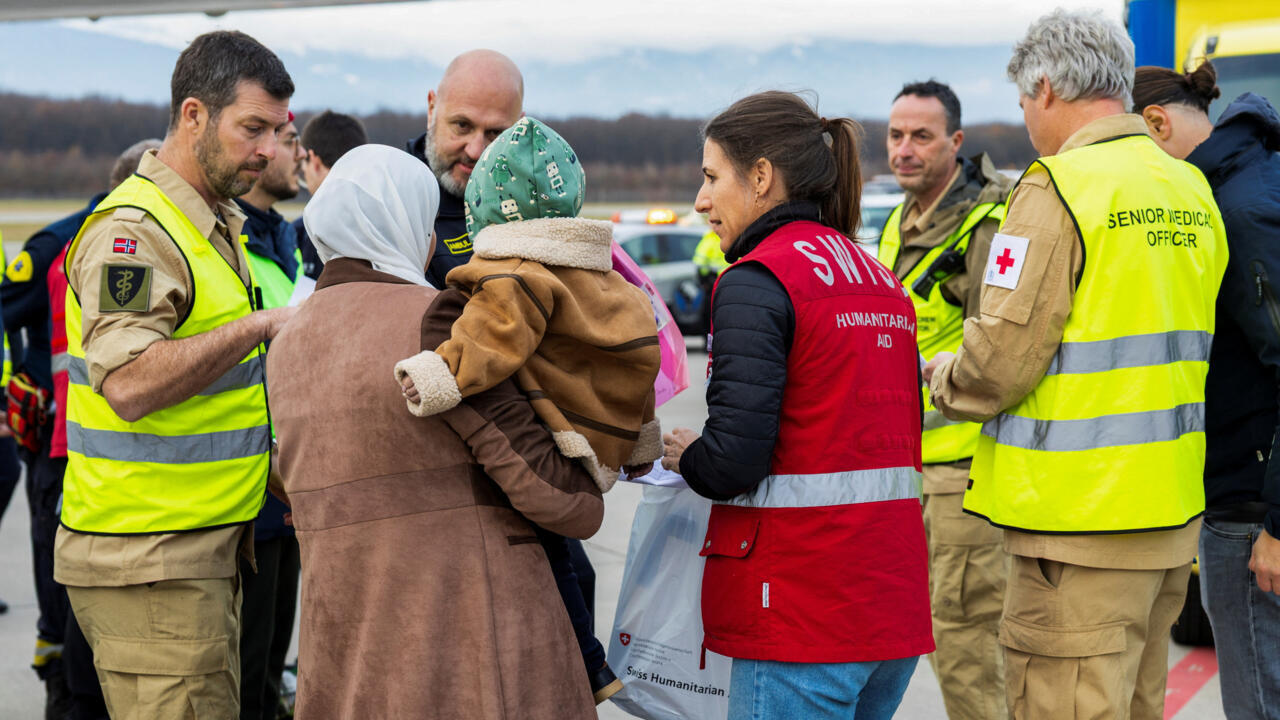
Sadly, access to medical evacuation remains severely restricted. While up to December 1st, over 30 countries have accepted patients from Gaza, the support hasn’t been evenly distributed. Egypt and the United Arab Emirates have taken in the largest numbers of patients, but a broader, more coordinated international response is vital.
Restoring medical evacuation routes through the West Bank, including East Jerusalem, is also crucial. Expanding these pathways would dramatically increase the capacity to get critical care to those who need it most.
Why Time is of the Essence
Many patients simply don’t have the luxury of time. Delays in receiving treatment can quickly turn manageable conditions into irreversible tragedies. You can imagine the desperation families face when knowing their loved ones require care they cannot access.
Here’s a breakdown of the key concerns:
* Underreporting: Official figures likely don’t capture the full extent of the need.
* Vulnerable Populations: A significant portion of those needing evacuation are children.
* Fragile Ceasefire: The current ceasefire, while welcome, remains precarious and could be disrupted.
* Limited Access: Restrictions on movement and evacuation routes hinder access to care.
the Path Forward
The international community must prioritize expanding access to medical evacuation for Gazan patients. This requires:
* Increased Country Participation: More nations need to open their doors to patients needing specialized care.
* Restored Evacuation Routes: Re-establishing pathways through the West Bank and East Jerusalem is essential.
* Sustained Support: Maintaining a consistent and reliable system for medical evacuations is critical, even as the immediate crisis evolves.
Lives depend on swift and decisive action. It’s a moral imperative to ensure that those in Gaza have access to the medical care they desperately need. We must work together to alleviate suffering and offer a lifeline to those facing unimaginable hardship.
Related reading