
The humanitarian situation in Gaza has reached a critical juncture, with essential services facing near-total collapse. As the conflict continues, the civilian population—particularly the most vulnerable, including children—is grappling with the severe consequences of restricted access to medical care and the disintegration of basic infrastructure. International aid organizations have repeatedly highlighted that the escalation of military operations and the resulting displacement of families have created an environment where survival is increasingly demanding for those remaining in the territory.
For families in Gaza City, the current reality is defined by a lack of access to life-saving resources. According to reports from UNICEF, the collapse of essential services has left the youngest and most vulnerable residents in a precarious state, struggling to secure the nutrition and medical support necessary to survive. As of September 2025, the organization noted that only 44 of the 92 UNICEF-supported outpatient nutrition treatment centers in Gaza City were still functioning, a significant reduction that has left thousands of malnourished children without access to the lifelines they depend on to combat famine. UNICEF: The unthinkable in Gaza City has already begun
The Impact on Vulnerable Populations
The strain on the healthcare system is felt most acutely by those suffering from chronic or complex medical conditions. Reports from the ground indicate that the ability to provide consistent care for children with serious illnesses or traumatic injuries has been severely hampered by the ongoing instability. For many families, the challenge is twofold: the physical danger posed by the conflict and the systematic loss of the medical infrastructure required to address the needs of children who have been wounded or who require specialized treatment.
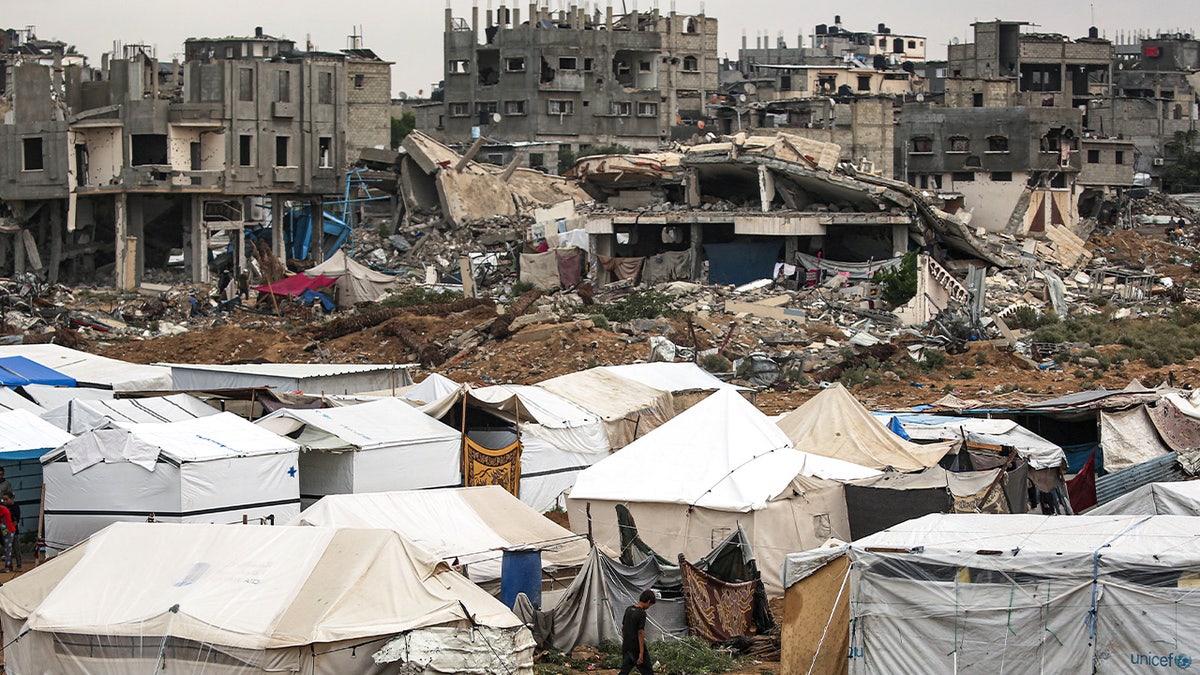
In Gaza City, the situation has been described as a “city of fear, flight and funerals,” where displacement has stripped families of the shelter and care they once relied upon. The intensification of military activity has led to a cycle of repeated displacement, with families arriving in new areas with few resources. The lack of functioning nutrition centers and the disruption of medical supply chains are exacerbating existing health crises, leaving parents in a state of constant anxiety about the survival of their children. UNICEF: The unthinkable in Gaza City has already begun
Structural Challenges to Healthcare
The broader landscape of healthcare in the Palestinian territories has long been complicated by significant logistical and political barriers. Research into the barriers facing patients in the region highlights how systemic issues, including the fragmentation of care and restrictions on movement, have historically impacted the ability of medical professionals to deliver consistent, high-quality treatment. These challenges are not new, but they have been profoundly intensified by the current conflict, which has rendered many routine medical procedures impossible to perform.
Academics and medical professionals have documented these obstacles, noting that the “landscape of cancer care” and other specialized treatments in the region is defined by factors that have long perpetuated difficulties for patients. The current environment in Gaza has deepened these divides, as the destruction of infrastructure and the depletion of medical supplies create a scenario where even basic care is frequently unavailable. Roadblocks to Cancer Care in the Occupied Palestinian Territories
Context of the Current Crisis
The Gaza Strip, an area of roughly 365 square kilometers with a population estimated at over 2 million as of 2025, remains under significant duress. The territory’s geography, characterized by its high population density, makes the impact of infrastructure failure particularly severe. With limited space and a high concentration of displaced persons, the breakdown of sanitation, water, and medical services poses an immediate threat to public health. Wikipedia: Gaza Strip
As the conflict persists, the international community continues to monitor the situation, with various agencies calling for increased access to humanitarian aid to prevent further loss of life. The focus remains on the survival of the civilian population, as the combination of malnutrition, the lack of medical care, and the ongoing violence creates a compounding crisis that shows little sign of abating. For now, the priority for those on the ground remains the daily struggle for access to basic sustenance and the hope for a cessation of the hostilities that have defined the lives of Gazans for months.
The situation remains fluid, and international observers are closely watching for any changes in the operational status of remaining medical facilities. Readers are encouraged to follow official updates from humanitarian organizations operating in the region for the most current information regarding aid access and health service availability. We will continue to monitor these developments closely as more information becomes available. We invite our readers to share their thoughts and perspectives on these developments in the comments section below.
Related reading