
Gaza‘s Hunger Crisis: Progress Amidst Perilous Fragility – A Deep dive into the Latest Findings
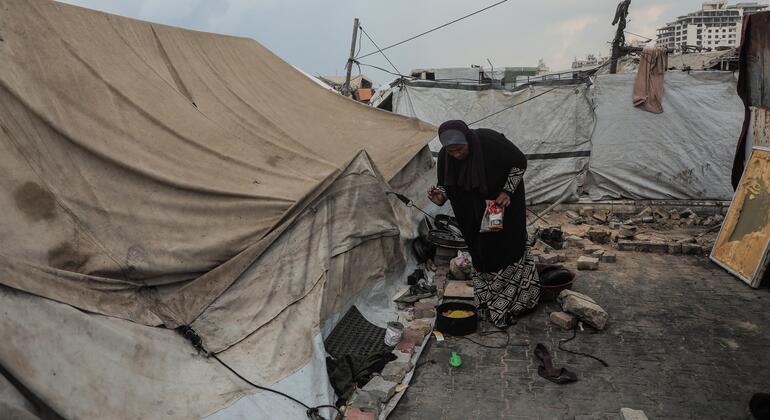
The situation in Gaza remains critically fragile. Recent analysis paints a complex picture: while the immediate threat of widespread famine has been averted, a staggering 1.6 million people – approximately 77% of the analyzed population – were facing crisis-level hunger (Phase 3 or worse) as of late November. This includes over 500,000 in emergency conditions (Phase 4) and a harrowing 100,000 facing catastrophic levels of food insecurity (Phase 5). As someone who has followed humanitarian crises globally for years, the scale of this remains deeply concerning.
This isn’t just about numbers; it’s about the daily reality for families in Gaza. Let’s break down the current situation and what needs to happen.
A Step Back, But Not a Solution
UN Secretary-General António Guterres acknowledged progress in averting full-scale famine. more people are now accessing the food they need to survive. However,he stressed that these gains are “fragile - perilously so.” This is a crucial point.We’ve seen temporary improvements before, only to have them eroded by renewed conflict or logistical roadblocks.
Currently, projections indicate that even with increased aid, over 75% of gaza’s population faces extreme food insecurity and critical malnutrition risks. Looking ahead to mid-April 2026, the Integrated Food Security Phase Classification (IPC) analysis forecasts:
* Around 571,000 people will remain in emergency conditions.
* Approximately 1,900 people will continue to experience catastrophic hunger.
* A worst-case scenario – involving renewed hostilities or disrupted aid flows – could plunge the entire Gaza Strip back into famine.
The Silent Crisis: Malnutrition‘s Impact
Beyond immediate hunger, malnutrition is a major and growing concern, particularly for the most vulnerable. You need to understand the long-term consequences of this.
Here’s a stark look at the numbers:
* Children (6-59 months): Nearly 101,000 are projected to suffer from acute malnutrition by mid-October 2026, with over 31,000 cases being severe.
* Pregnant & Breastfeeding Women: An estimated 37,000 require treatment for malnutrition.
While increased food aid is helping, it’s largely focused on basic survival.The damage to essential infrastructure – health services, water, sanitation, housing, and livelihoods – leaves families incredibly vulnerable, especially as winter approaches.Simply providing food isn’t enough; we need to address the systemic issues that contribute to this crisis.
What’s Needed: A Multi-Faceted Approach
The situation demands a extensive and sustained response. As someone deeply involved in disaster relief, I can tell you that piecemeal solutions won’t work. Here’s what’s critical:
* A Durable Ceasefire: This is non-negotiable. Without a lasting cessation of hostilities, aid efforts will always be hampered and progress will be reversed.
* Increased Access: More crossings into Gaza are needed, along with fewer restrictions on essential supplies. Safe routes within Gaza are equally vital to ensure aid reaches those who need it most.
* Sustained Funding: Humanitarian organizations require consistent and predictable funding to plan and implement effective programs.
* Unimpeded Humanitarian access: Aid workers must be able to operate safely and without obstruction.
* Infrastructure Rebuilding: investing in the restoration of health services, water and sanitation systems, and housing is crucial for long-term recovery.
Secretary-General Guterres powerfully described the reality on the ground: families enduring “the unendurable,” children sleeping in flooded tents, and buildings collapsing in the rain. Humanitarian teams are working tirelessly,preparing over 1.5 million hot meals daily and reopening vital facilities. But the needs are growing faster than aid delivery.
Looking Ahead: Preventing a Relapse
The IPC report is a clear warning. Without sustained access, continued aid, and the rebuilding of essential infrastructure, Gaza’s food security situation could rapidly deteriorate again.The consequences for an already traumatized population would be devastating and long-lasting.
This isn’t just a humanitarian




![NCAA Men’s Basketball Rankings: Week [Current Week Number] Top 25 Analysis](https://i0.wp.com/wtop.com/wp-content/uploads/2017/04/wtop_logo_512x512.png?resize=330%2C220&ssl=1 "NCAA Men’s Basketball Rankings: Week [Current Week Number] Top 25 Analysis")


