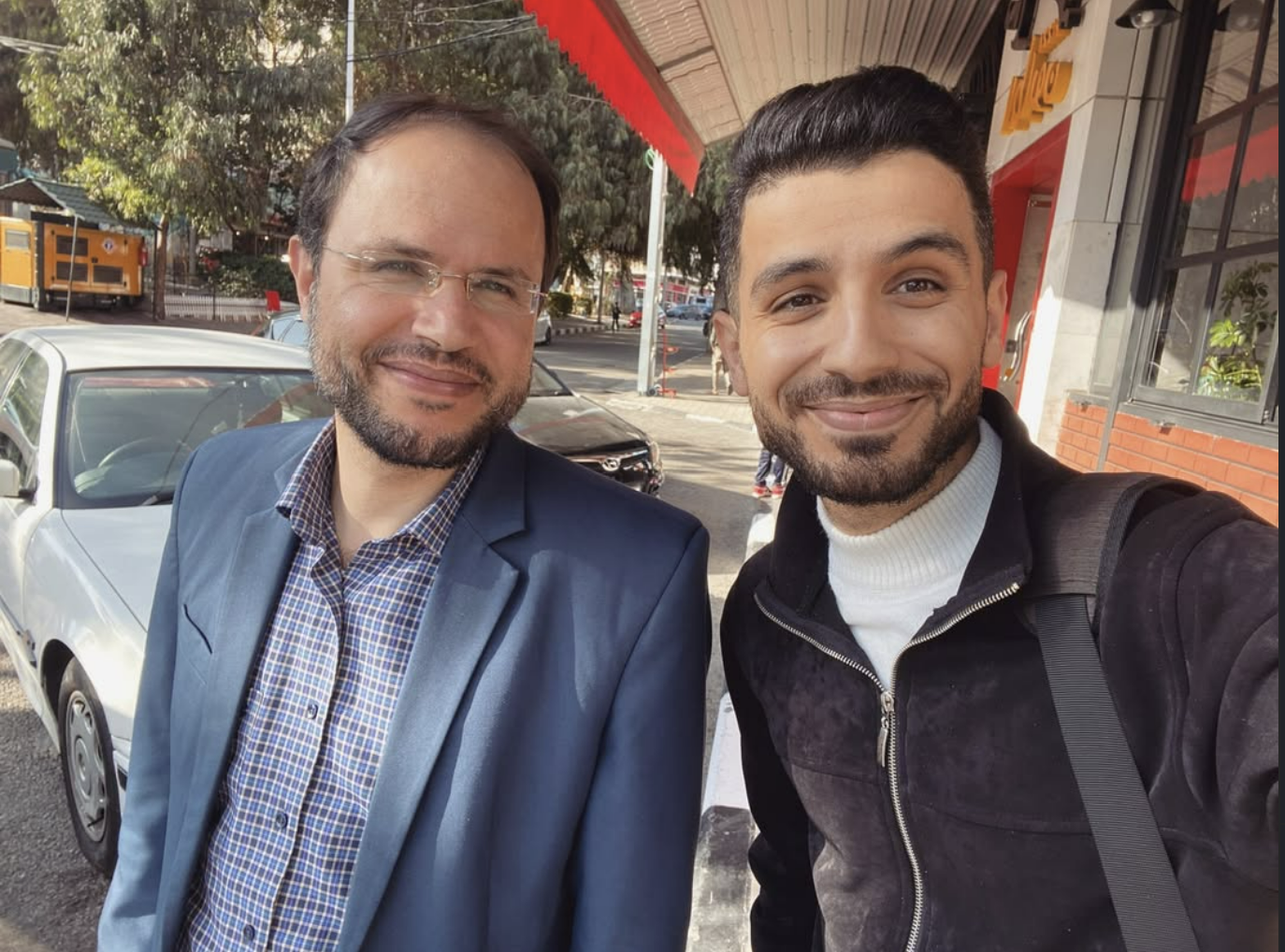
The dangers faced by journalists covering conflict zones are rarely out of the headlines, but a new episode of the PalCast podcast shines a stark light on the unprecedented risks reporters are taking – and enduring – in Gaza. Episode 106, titled “It’s not just your life on the line,” features an in-depth conversation with Palestinian researcher and journalist Issam Adwan, offering a firsthand account of reporting from a war zone and the lasting trauma experienced even after evacuation. The episode underscores a grim reality: since October 7, 2023, Gaza has grow the most dangerous place in the world for journalists, with over 250 reporters killed while attempting to document the ongoing conflict.
Adwan’s experience, as detailed in the PalCast episode, provides a crucial perspective on the multifaceted challenges facing those dedicated to bringing information to the world from Gaza. Beyond the immediate physical threat of violence, journalists grapple with the emotional toll of witnessing immense suffering, the constant worry for the safety of their families, and the deliberate targeting they face from various actors. This isn’t simply about the risk to one’s own life, but the weight of responsibility and the enduring psychological impact of covering such a devastating crisis. The podcast’s focus on these often-overlooked aspects of journalistic work is particularly timely, given the increasing restrictions and dangers faced by reporters globally.
The Front Lines of Reporting: A Targeted Profession
Issam Adwan’s career has spanned both reporting from the ground in Gaza and connecting international media with local perspectives. He has contributed to prominent news organizations including The Associated Press and Al Jazeera English, providing critical coverage during times of crisis. Adwan’s work similarly bridges the gap between media, grassroots activism, and academic research, offering a holistic understanding of the complexities within the region. His insights, shared on PalCast, reveal a disturbing trend: journalists are not simply caught in the crossfire, but are increasingly becoming direct targets.
The PalCast episode details how journalists in Gaza have faced smear campaigns, threats, and even deliberate military attacks. Crucially, Adwan points out that even when media organizations proactively share their coordinates with relevant parties to ensure reporter safety, these protections have not always been respected. This deliberate targeting, he argues, represents a systemic effort to silence reporting from within Gaza and control the narrative surrounding the conflict. The Committee to Protect Journalists (CPJ) has documented numerous instances of journalists killed or injured in Gaza, often under circumstances suggesting intentional targeting. CPJ’s reporting details the specific cases and investigations into these incidents, highlighting the urgent necessitate for accountability and protection of journalists.
The Weight of Witnessing: Trauma and Displacement
Adwan’s decision to leave Gaza, despite his initial reluctance to abandon his reporting, underscores the immense pressure faced by journalists operating in the territory. He initially refused evacuation offers, driven by a commitment to continue documenting the unfolding events. However, the safety of his daughter ultimately became the deciding factor, leading him to seek refuge first in Egypt and then in Turkey. This difficult choice, he explains, was not a release from danger, but a shift in its nature.
The PalCast episode powerfully illustrates that the trauma of witnessing and reporting from a war zone doesn’t simply disappear with physical evacuation. Adwan describes the enduring fear for loved ones still trapped in Gaza, a sentiment echoed by many who have fled the territory. This ongoing anxiety, coupled with the psychological impact of the violence witnessed, creates a profound and lasting burden for those who have managed to escape. Research from the International Center for Journalists (ICFJ) highlights the specific mental health challenges faced by journalists covering traumatic events, emphasizing the need for specialized support and resources.
Genocide in Practice and Intent? A Grave Accusation
During the PalCast conversation, Adwan articulated a stark assessment of the situation in Gaza, arguing that the scale of violence amounts to genocide, both in practice and intent. He pointed to the immense civilian toll, including the reported erasure of entire families from civil registries and the deaths of tens of thousands of people, a significant proportion of whom are children, women, and elderly individuals. This is a deeply serious accusation, and one that has prompted international debate and scrutiny.
The legal definition of genocide, as outlined in the 1948 Genocide Convention, requires the intent to destroy, in whole or in part, a national, ethnical, racial or religious group. Determining whether the actions in Gaza meet this threshold is a complex legal and political question. The International Court of Justice (ICJ) is currently investigating allegations of genocide related to the conflict. The ICJ’s proceedings are ongoing, and a final determination has not yet been made. The United Nations Human Rights Office has also expressed concerns about potential war crimes and crimes against humanity committed during the conflict, calling for independent investigations.
The Humanitarian Crisis and the Role of Journalism
The ongoing conflict has created a catastrophic humanitarian crisis in Gaza, with widespread displacement, shortages of essential supplies, and a collapsing healthcare system. According to the United Nations Relief and Works Agency for Palestine Refugees in the Near East (UNRWA), over 1.7 million people in Gaza are internally displaced as of March 11, 2026. Journalists play a vital role in documenting this crisis and bringing it to the attention of the world, but their ability to do so is severely hampered by the dangers they face.
The PalCast episode emphasizes the importance of supporting independent journalism and protecting the rights of reporters working in conflict zones. Organizations like the Committee to Protect Journalists and Reporters Without Borders advocate for press freedom and work to hold perpetrators of violence against journalists accountable. By amplifying the voices of those on the ground, like Issam Adwan, and by demanding greater protection for journalists, the international community can help ensure that the truth about the conflict in Gaza is heard.
You can listen to the full PalCast episode, “It’s not just your life on the line,” on Apple Podcasts and Spotify.
Key Takeaways:
- Gaza has become the most dangerous place in the world for journalists, with over 250 killed since October 7, 2023.
- Journalists in Gaza face not only physical danger but also deliberate targeting through smear campaigns and attacks.
- The trauma of witnessing and reporting from a war zone extends beyond physical evacuation, creating lasting psychological burdens.
- The scale of violence in Gaza has led to accusations of genocide, currently under investigation by the International Court of Justice.
- Supporting independent journalism and protecting the rights of reporters are crucial for ensuring accountability and transparency.
The ICJ is expected to issue further updates on its investigation into allegations of genocide in Gaza in the coming months. Continued monitoring of the situation and advocacy for the protection of journalists remain essential. We encourage readers to share this article and engage in constructive dialogue about the challenges facing reporters in conflict zones.