The Silent Crisis in Gaza: A Mental Health Emergency Demanding Global Attention
(Image: A local mental health clinic in Gaza providing counseling. [PHOTO: Center for Mental Health])
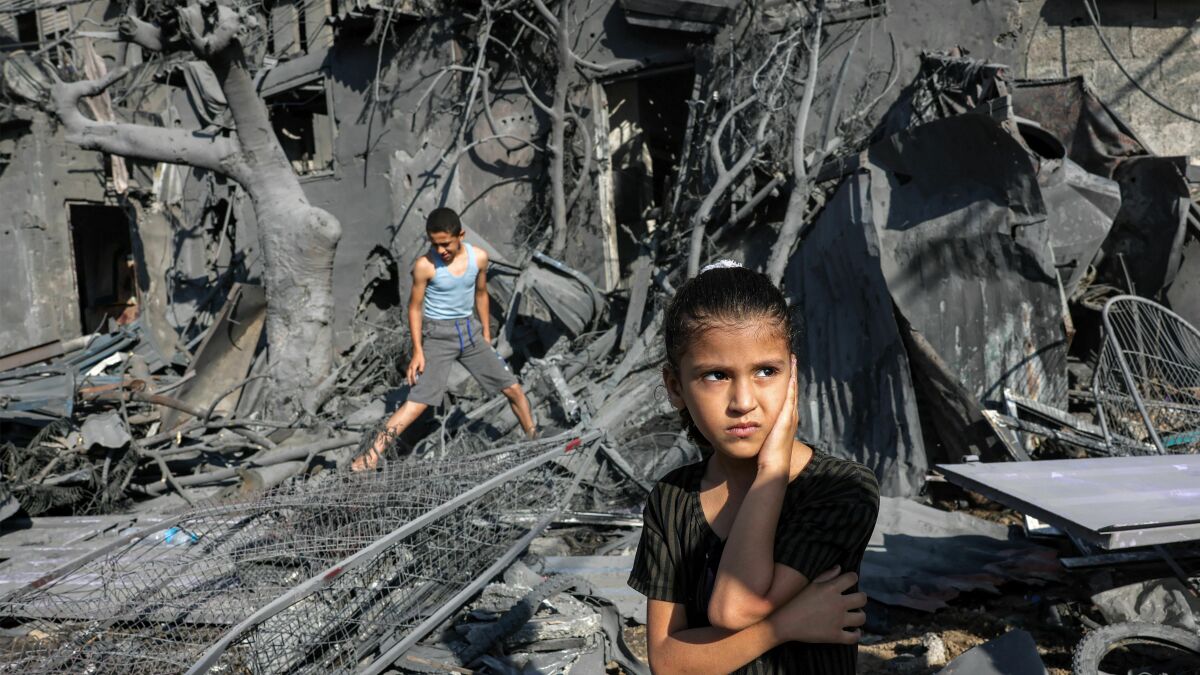
The images coming from Gaza are heartbreaking, and the physical devastation is immense. But beneath the rubble and amidst the ongoing humanitarian crisis, a silent epidemic is raging: a profound and escalating mental health emergency. As someone who has worked extensively in conflict zones and with trauma-affected populations, I can tell you the scale of this crisis is unlike anything we’ve seen in recent history.
This isn’t simply about sadness or grief, though those are certainly present. it’s about a systemic breakdown of psychological well-being, impacting individuals of all ages, and threatening the future of an entire generation. You deserve to understand the depth of this crisis, why it’s happening, and what needs to be done.
Why Gaza’s Mental Health crisis is Unique
While rising rates of psychological disorders are a global concern, the situation in Gaza is uniquely devastating. Here’s why:
* prolonged Conflict & Siege: Years of conflict, coupled with a restrictive blockade, have created a constant state of insecurity and deprivation. This isn’t a sudden event; it’s a chronic trauma.
* Massive Displacement: Hundreds of thousands of Gazans have been displaced from their homes, losing not only shelter but also their communities and sense of belonging.
* Widespread Loss & Grief: The sheer number of casualties – tragically, many of them children – has created a collective trauma that will take decades to heal.
* Limited Resources: Even before the current escalation, Gaza’s mental health infrastructure was severely strained.Now, it’s entirely overwhelmed.
* starvation & Deprivation: The ongoing humanitarian crisis, including widespread starvation, exacerbates psychological wounds and hinders recovery, especially for children.
The Devastating Impact: What we’re seeing on the Ground
Organizations like Doctors Without Borders and the UN are reporting an unprecedented surge in mental health needs. Here’s a glimpse of what they’re witnessing:
* Acute Trauma: Post-traumatic stress disorder (PTSD) is rampant, manifesting as nightmares, flashbacks, and crippling anxiety.
* Depression & Anxiety: Feelings of hopelessness, despair, and constant fear are pervasive.
* Childhood trauma: The psychological impact on children is notably alarming. Exposure to violence, loss, and instability can have lifelong consequences, impacting their development and future well-being.
* Grief & Bereavement: The loss of loved ones is a profound source of pain, and the inability to properly mourn due to ongoing conflict compounds the trauma.
* Increased Suicide Risk: Desperation and hopelessness are driving an increase in suicidal ideation and attempts.
What’s Being Done – And Why It’s Not Enough
International humanitarian aid is crucial, but it’s facing immense logistical challenges. Scaling up mental health services in an active conflict zone is incredibly difficult.
Organizations are working tirelessly to:
* Provide Psychosocial Support: Offering counseling, group therapy, and other forms of emotional support.
* Train Local Professionals: Empowering Gazan mental health workers to address the growing needs of their communities.
* Distribute Mental Health Resources: Providing information and tools to help people cope with trauma.
* Child protection Programs: Focusing on the unique needs of children affected by conflict.
However, these efforts are severely underfunded and hampered by access restrictions. meaningful intervention now is critical to prevent a catastrophic legacy of trauma.
Beyond Immediate Aid: Building a Sustainable Future
addressing Gaza’s mental health crisis requires a long-term commitment. Here’s what needs to happen:
- ceasefire & Security: A lasting ceasefire is the first and most crucial step.Without security, healing cannot begin.
- Unrestricted Humanitarian Access: Aid organizations must have unfettered access to Gaza to deliver essential supplies and services.
- Increased Funding for Mental Health: International donors must prioritize funding for mental health programs in Gaza.
- Strengthening Local Capacity: Investing in the training and support of Gazan mental health professionals.
- Sustainable Psychosocial Support: Developing long-term programs that address the ongoing needs of the population.
- Addressing root Causes: Ultimately, a just
- Uruguay’s Cooperative Housing Model: A Global Solution to the Affordability Crisis
- Trump Calls Off Iran Strike: US Negotiates New Middle East Framework Amid Rising Tensions
- University of Iowa International Writing Program Secures Funding After Losing Federal Support (news-usa.today)
- Labour Faces Structural Barriers Despite Surging Youth Support (archyworldys.com)