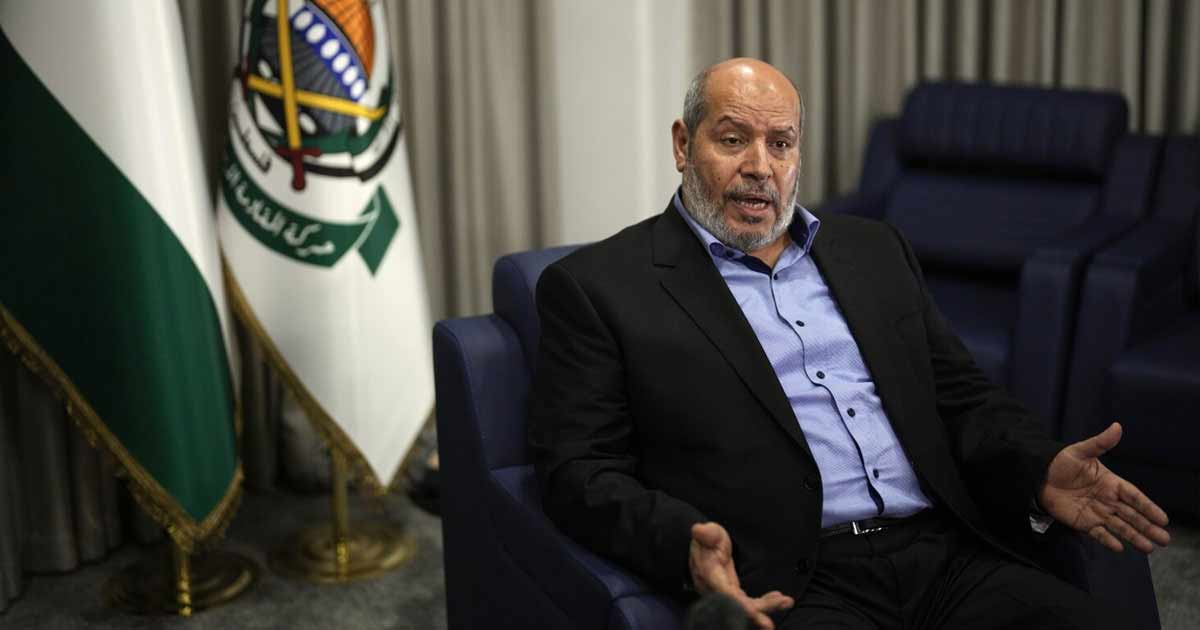
Beirut, Lebanon – Amidst escalating tensions in the region, reports indicate that Hamas is open to the presence of foreign forces in the Gaza Strip, but insists on non-interference in what it deems its “internal affairs.” This position emerges as international discussions continue regarding the future of Gaza and potential stabilization efforts following months of conflict. The statement, while broadly reported, comes as Israel continues military operations in Lebanon targeting what it claims are Hamas and Hezbollah infrastructure, resulting in a rising civilian death toll.
The complex geopolitical landscape surrounding Gaza has been further complicated by the ongoing conflict between Israel and Hamas, which began on October 7, 2023, with a large-scale attack by Hamas on Israeli territory. The ensuing Israeli military response has led to a humanitarian crisis in Gaza, with widespread destruction and displacement of civilians. The potential involvement of external actors in Gaza raises questions about the future governance and security of the territory, as well as the role of regional and international powers in mediating a lasting peace. The situation is further complicated by the presence of Hezbollah in southern Lebanon, which has engaged in cross-border exchanges with Israel, raising fears of a wider regional conflict.
Recent Israeli strikes in Lebanon, occurring on February 20 and 21, 2026, have resulted in a significant number of casualties. According to reports from the Times of Israel, at least 12 people have been killed in a series of strikes targeting Hamas and Hezbollah centers. These strikes included an attack on the Ain al-Helweh Palestinian refugee camp, Lebanon’s largest, where two people were killed by an Israeli drone strike. The Israel Defense Forces (IDF) stated that the camp was targeted due to a Hamas command center operating within it, used for planning attacks against Israel. This incident underscores the increasing risk to civilians in the region and the challenges of conducting military operations in densely populated areas.
Escalating Violence and Regional Concerns
The recent escalation of violence in Lebanon is part of a broader pattern of increased tensions between Israel, and Hezbollah. The IDF has repeatedly targeted Hezbollah positions in southern Lebanon, citing concerns about cross-border attacks. Hezbollah, in turn, has responded with its own attacks on Israeli targets. These exchanges have raised fears of a full-scale conflict between the two groups, which could have devastating consequences for the region. The involvement of Hamas in Lebanon, as evidenced by the IDF’s targeting of its command centers, further complicates the situation and raises concerns about the potential for a wider conflict involving multiple actors.
Beyond the immediate military clashes, the situation is also marked by political maneuvering and diplomatic efforts. Various international actors, including the United States, Egypt, and Qatar, are involved in mediating a ceasefire between Israel and Hamas and seeking a long-term solution to the conflict. However, these efforts have been hampered by deep-seated mistrust and conflicting demands from both sides. The potential for foreign forces to enter Gaza is a key point of contention, with Hamas seeking to maintain control over the territory while international actors seek to ensure stability and prevent a resurgence of violence. The delicate balance between security concerns and political considerations makes finding a viable solution extremely challenging.
Hamas’ Position on Foreign Involvement
While Hamas has expressed openness to the presence of foreign forces in Gaza, it has also emphasized the importance of non-interference in its “internal affairs.” This stance suggests that Hamas is seeking international assistance in rebuilding Gaza and providing humanitarian aid, but is wary of any attempts to undermine its authority or impose external control. The precise meaning of “non-interference” remains unclear, and could be subject to interpretation. It is likely that Hamas would seek to retain control over key aspects of governance and security, while allowing foreign forces to play a limited role in specific areas, such as border control or infrastructure development.
The potential involvement of Morocco in a stabilization force for Gaza has been discussed, with Washington reportedly formalizing Morocco’s participation, according to reporting from h24info.ma. This development highlights the growing international interest in finding a solution to the crisis in Gaza and the willingness of regional actors to contribute to stabilization efforts. However, the success of any stabilization force will depend on the cooperation of all parties involved, including Hamas, Israel, and the international community. The challenges of operating in a volatile and politically sensitive environment are significant, and the risk of escalation remains high.
Recent Developments and International Response
On February 19, 2026, Israeli forces captured Atwi Atwi, a local official with the Sunni Islamist group al-Jamaa al-Islamiya, and an ally of Hamas, in southern Lebanon, according to reporting from the Associated Press. Atwi was taken to Israel for questioning. Also on that day, an Israeli drone strike in the southern Lebanese village of Yanouh killed three people, including a three-year-old child. The IDF later confirmed striking Hezbollah artillery official Ahmad Salami, stating they were reviewing claims of civilian casualties. These incidents underscore the escalating violence and the increasing risk to civilians in the region.
The international community has expressed growing concern over the situation in Gaza and Lebanon. The United Nations has called for an immediate ceasefire and urged all parties to respect international humanitarian law. Several countries have pledged financial assistance to Gaza, including a $75 million contribution from FIFA to help rebuild the football infrastructure, as reported by h24info.ma. However, the delivery of aid has been hampered by the ongoing conflict and the closure of border crossings. The need for a sustained and coordinated international response is critical to address the humanitarian crisis and prevent a further deterioration of the situation.
Key Takeaways
- Hamas has indicated a willingness to accept foreign forces in Gaza, but insists on maintaining control over its “internal affairs.”
- Israeli military operations in Lebanon have resulted in a rising number of civilian casualties, raising concerns about the escalation of the conflict.
- International efforts to mediate a ceasefire and provide humanitarian aid to Gaza have been hampered by political obstacles and logistical challenges.
- The involvement of Morocco in a potential stabilization force for Gaza highlights the growing international interest in finding a solution to the crisis.
- The situation remains highly volatile, and the risk of a wider regional conflict remains significant.
Looking ahead, the situation in Gaza and Lebanon remains highly uncertain. The next key development to watch will be the outcome of ongoing diplomatic efforts to secure a ceasefire and establish a framework for a long-term solution. The international community will also be closely monitoring the humanitarian situation in Gaza and the delivery of aid to those in need. For further updates and information, readers are encouraged to follow reporting from reputable news organizations such as the Associated Press and Reuters. Your thoughts and perspectives on this critical issue are welcome in the comments section below.
Keep reading