Gaza‘s Humanitarian Crisis: Maternal and Infant Health Under Strain Despite Ceasefire
Published: 2026/02/05 21:38:10
The Ongoing Challenges in Gaza
More than three months into a fragile ceasefire between Hamas and Israel, the Gaza Strip continues to grapple with a severe humanitarian crisis. While increased aid has been permitted into the territory, the United Nations and medical professionals on the ground report that it remains insufficient to meet the overwhelming needs of the population. A especially concerning aspect of this crisis is the deteriorating health of mothers and infants.
Malnutrition and trauma Impacting Maternal Health
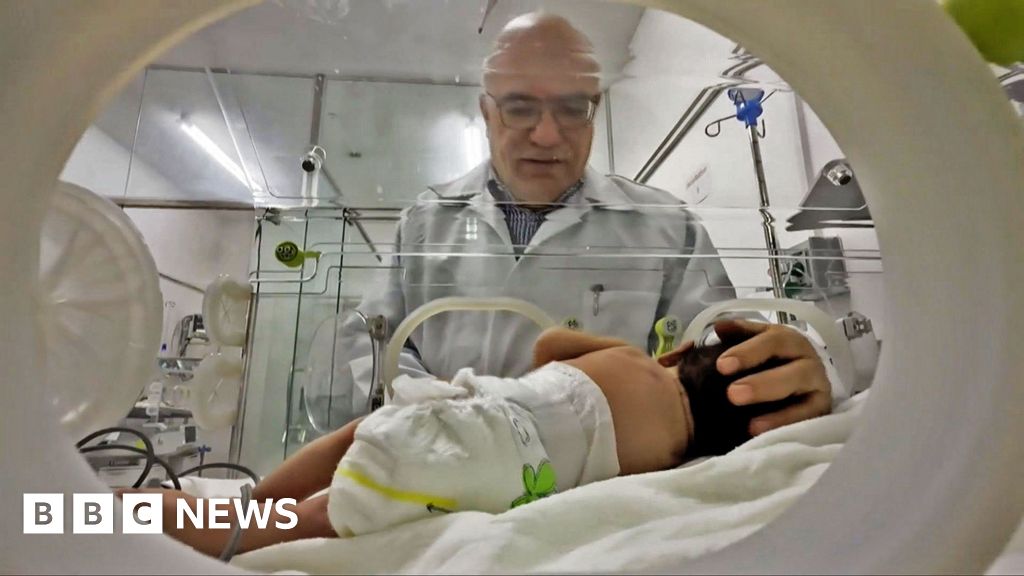
Hospital directors in Gaza are reporting a persistent pattern of malnourished and traumatized mothers giving birth to underweight or premature babies. This alarming trend underscores the long-lasting effects of conflict and limited access to essential resources. The ongoing instability and lack of adequate healthcare contribute to increased risks during pregnancy and childbirth.
Insufficient Aid Delivery
Despite Israel asserting it is fulfilling its obligations under the ceasefire by allowing more food and medical aid into Gaza, the UN maintains that the current levels are far below what is required.(United Nations) The complex logistical challenges and restrictions on aid distribution hinder effective delivery to those most in need. The Gaza Strip, bordered by Egypt to the southwest and Israel to the east and north [[1]], faces unique difficulties in receiving and distributing humanitarian assistance.
Recent Escalations and Continued Violence
The ceasefire remains fragile,with recent reports of Israeli strikes resulting in Palestinian casualties. On february 4, 2026, Israeli strikes in Gaza killed at least 24 Palestinians, including two infants [[2]] and [[3]]. These incidents highlight the precarious security situation and the constant threat to civilian lives. Israel claims these strikes targeted militant leaders and those posing a threat to its forces.
The Situation for Infants
The vulnerability of infants is particularly acute. beyond the direct impact of violence, limited access to nutritious food, clean water, and adequate medical care significantly increases the risk of illness and mortality. The long-term consequences of malnutrition and trauma during infancy can be devastating, impacting physical and cognitive development.
Looking Ahead
The situation in Gaza demands sustained international attention and a concerted effort to address the root causes of the humanitarian crisis. Increased and unimpeded aid delivery, coupled with a durable resolution to the conflict, are essential to improving the health and well-being of mothers and infants in the Gaza Strip. Continued monitoring of the ceasefire and proactive measures to prevent further escalations are crucial to safeguarding civilian lives and fostering a more stable future for the region.
Worth a look