## Environmental Devastation in Gaza: Assessing the long-Term Impacts
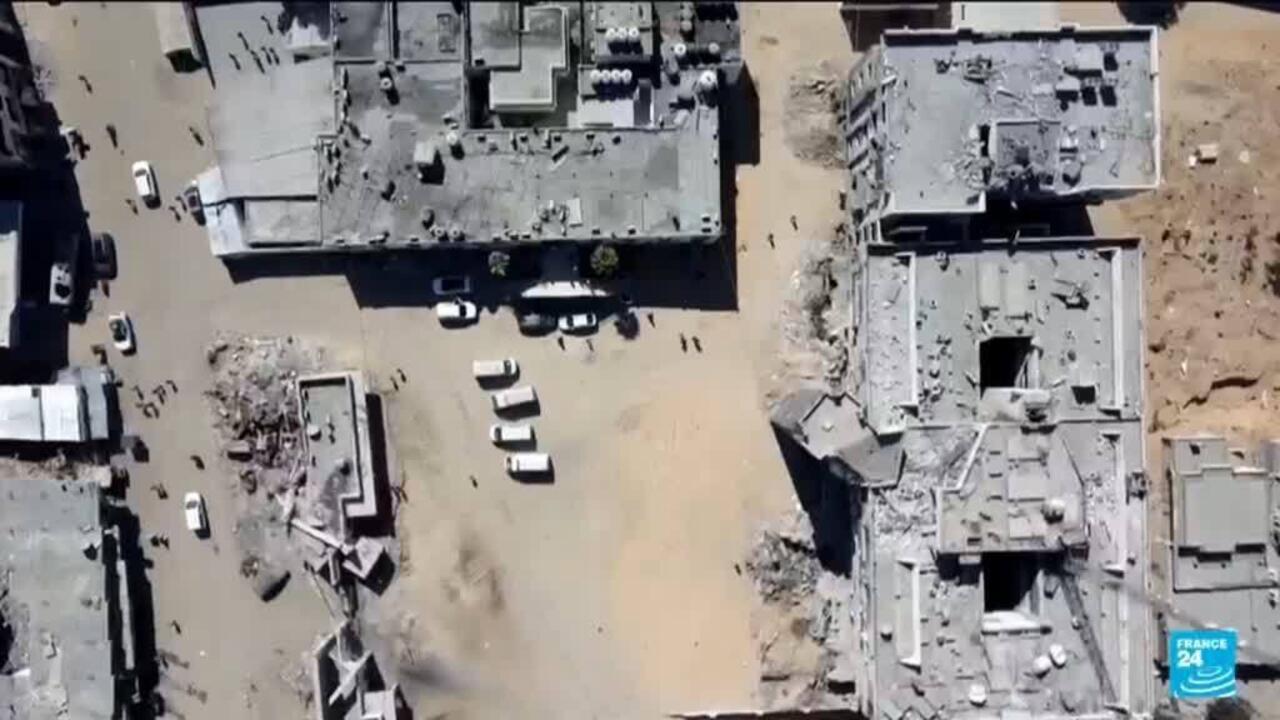
The ongoing conflict in Gaza has triggered a humanitarian crisis of immense proportions, but a less visible consequence – profound environmental damage – is rapidly unfolding. A recent preliminary evaluation conducted by the UN Environment Program (UNEP) in 2024 revealed that the extensive destruction is generating new and significant threats to both public health and the surrounding ecosystems. The civilian population of Palestine is now facing heightened exposure to dangerous levels of contamination in the soil, water sources, and air, alongside the potential for lasting, irreparable harm to the region’s natural environment.
### The Scope of Environmental Damage: A detailed Analysis
The intensity of the military operations, coupled with the intentional targeting of infrastructure, has resulted in widespread pollution.bombardment releases substantial quantities of heavy metals, unexploded ordnance, and construction debris into the environment. These materials leach into the soil and groundwater, creating long-term contamination risks. Elaine Donderer, a project manager and GIS consultant at the Arava Institute for environmental Studies, emphasizes the complexity of assessing the damage, noting that the sheer scale of destruction makes a thorough environmental impact assessment incredibly challenging, but the initial findings are deeply concerning.
The destruction isn’t limited to physical contamination. The disruption of wastewater treatment facilities has lead to the discharge of untreated sewage into the Mediterranean Sea, posing a threat to marine ecosystems and public health. Moreover, the widespread burning of materials - including infrastructure and potentially hazardous waste – releases toxic fumes into the atmosphere, exacerbating respiratory problems and contributing to air pollution.
### Health Risks and Vulnerable Populations
The environmental degradation directly impacts the health of Gaza’s population, particularly vulnerable groups like children, the elderly, and those with pre-existing health conditions. Exposure to contaminated water can lead to waterborne diseases, while air pollution exacerbates respiratory illnesses such as asthma and bronchitis. The presence of heavy metals in the soil can have long-term neurological and developmental effects, especially in children.According to the World Health Organization (WHO), as of October 2024, there has been a significant increase in reported cases of diarrhea and respiratory infections in Gaza, directly linked to the deteriorating environmental conditions.The already strained healthcare system is struggling to cope with the increased demand, further compounding the crisis. The psychological impact of living in a polluted and damaged environment also cannot be overlooked, contributing to increased stress and mental health issues.
### long-Term Ecological Consequences & Remediation Challenges
Beyond the immediate health risks, the conflict poses a severe threat to Gaza’s already fragile ecosystems. The destruction of agricultural land reduces food security and livelihoods. Damage to coastal ecosystems, including coral reefs and fisheries, impacts biodiversity and the livelihoods of those dependent on marine resources.
| Environmental Impact | Short-Term Effects | Long-Term Effects |
|---|---|---|
| Soil Contamination | Reduced agricultural yields, direct exposure risks | Long-term health impacts, ecosystem damage |
| Water Pollution | Waterborne diseases, limited access to clean water | groundwater contamination, marine ecosystem damage |
| Air Pollution | Respiratory illnesses, immediate health risks | Chronic health problems, climate change contribution |
Remediation efforts will be immensely challenging and costly. Removing unexploded ordnance, clearing debris, restoring water and sanitation infrastructure, and rehabilitating damaged ecosystems will require significant international assistance and long-term commitment.The political instability and ongoing conflict further complicate these efforts.A comprehensive environmental assessment, coupled with a detailed remediation plan, is urgently needed to mitigate the long-term consequences of the destruction.
### The Role of International Law and Accountability
The intentional targeting of civilian infrastructure and the resulting environmental damage may constitute violations of international humanitarian law. The principles of proportionality and precaution require parties to a conflict to take all feasible measures to avoid or minimize harm to the environment. Investigating potential violations and holding perpetrators accountable is crucial to deter future environmental destruction in armed conflicts. Organizations like the international Criminal Court (ICC)