
Great Britain‘s Disappointing World Athletics Championships: A Post-Mortem
Teh 2024 World Athletics championships proved a stark contrast to recent successes for Great Britain and Northern Ireland, culminating in their worst performance at the event since 2003. Finishing 21st in the medal table with just five medals – three silver and two bronze – raises serious questions about what went wrong for a team accustomed to podium finishes. let’s delve into the key factors contributing to this downturn and what the future might hold.
Relay Struggles Dominate the Narrative
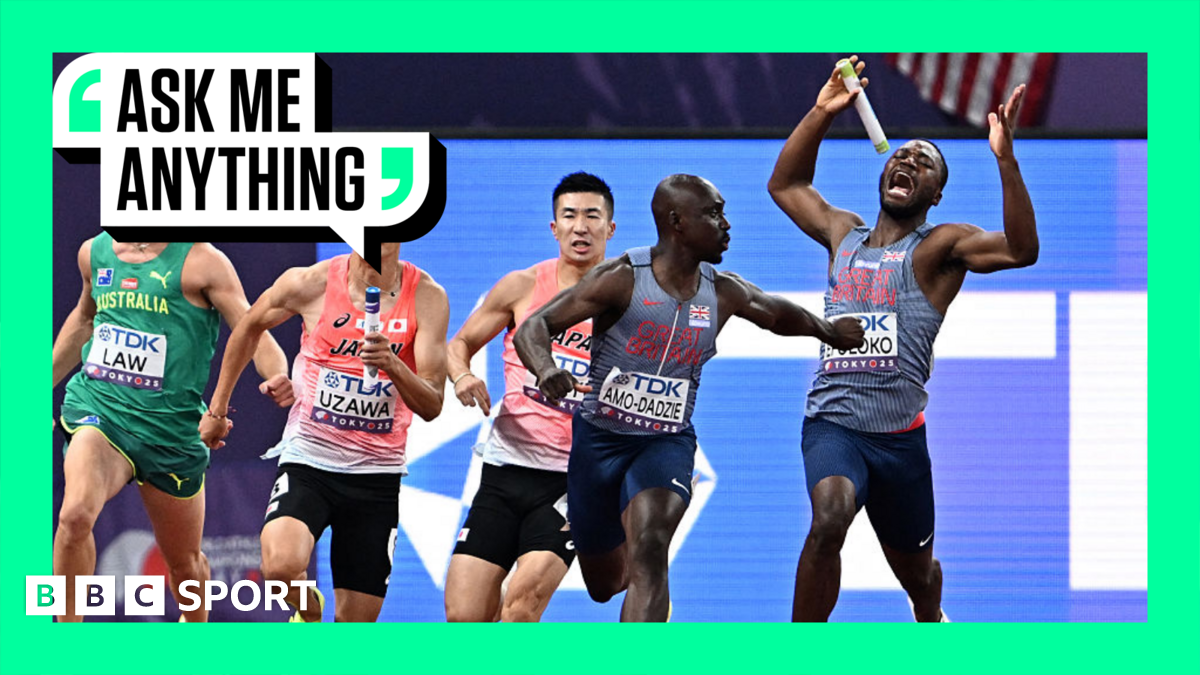
Much of the disappointment centered around the relay teams, particularly the men’s 4x100m and women’s 4x400m squads. The men’s team, bronze medalists just a year prior, experienced a heartbreaking stumble, failing to advance. former olympic gold medalist Greg Rutherford pointed to a premature start by one runner as a critical error.
It appears pressure may have played a role. Rutherford suggested that athlete Amo-dadzie may have become overwhelmed despite recently achieving a personal best of 9.87 seconds. Despite stunning handoffs between the first and second, and second and third runners, the early start proved fatal.
A recurring theme emerged: baton passing issues. Rutherford noted a worrying trend, stating, “It is like everyone has forgotten how to pass the baton.” This technical breakdown proved costly.
The women’s 4x400m team also underperformed, finishing last in their heat. This result was particularly jarring given the team’s consistent success, having secured silver or bronze at nine of the past ten World Championships. Veteran analyst Dame Jessica Ennis-Hill questioned where the team’s previous form had disappeared.
Selection Choices and Team Dynamics
Further scrutiny fell on team selection. World indoor champion amber Anning, a bronze medalist in the 4x400m at the Olympics, was surprisingly left off the heat roster. Laviai Nielsen, another key member of that Olympic squad, wasn’t selected for the championships at all.
Rutherford firmly believes the selected quartet should have been able to qualify for the final, stating, “From my point of view, it’s genuinely not good enough.” This raises questions about the rationale behind the selection process and potential impacts on team cohesion.
Individual Perspectives and Looking Ahead
Dina Asher-Smith, speaking after the women’s 4x100m relay, maintained a pragmatic outlook. She acknowledged the team’s ambition for gold but emphasized the importance of analysis and learning from the experience.
Asher-Smith articulated a clear plan for improvement, focusing on hard work, discipline, and a steadfast push towards the Los Angeles Olympics. She and her teammates are committed to regaining their position at the top of the podium.
A Dramatic Shift in Performance
The contrast with the 2023 World Championships in Budapest is stark. Last year,the British team achieved a joint-record haul of 10 medals. This dramatic decline underscores the need for a thorough review of training protocols, team selection, and competitive strategies.
Here’s a quick recap of the key takeaways:
* Relay failures: Baton passing issues and premature starts were notable contributors to underperformance.
* Selection questions: Controversial choices regarding team selection sparked debate.
* Loss of form: A noticeable dip in performance compared to recent championships.
* Focus on the future: Athletes and analysts alike are committed to learning and improving for the upcoming Olympics.
Ultimately, the 2024 World Athletics Championships serve as a valuable, albeit painful, lesson for Great Britain and Northern Ireland.A complete assessment of the factors at play is crucial to ensure a return to championship-winning form. You can expect a renewed focus on fundamentals, strategic team building, and a relentless pursuit of excellence as they prepare for the challenges ahead.





