GE HealthCare Receives FDA Clearance for Cloud-Native Diagnostic Viewer, ‘View’
Radiologists may soon have greater flexibility in accessing and interpreting medical images, thanks to a new diagnostic viewer from GE HealthCare. The company announced this week that it has received 510(k) clearance from the US Food and Drug Administration (FDA) for ‘View,’ a zero-footprint diagnostic viewer integrated within its Genesis Radiology Workspace. This clearance marks a significant step towards more streamlined and efficient radiological workflows, potentially impacting patient care by accelerating diagnosis and treatment planning.
The FDA’s 510(k) clearance pathway is used for medical devices that are substantially equivalent to legally marketed predicate devices. According to the FDA, this means the new device is as safe and effective as existing legally marketed devices. The FDA website provides further details on the 510(k) clearance process.
‘View’ is designed to address a critical pain point in radiology: the time radiologists spend on tasks *other* than image interpretation. Studies have indicated that up to 44% of a radiologist’s time can be consumed by activities such as navigating interfaces and waiting for images to load. This inefficiency impacts productivity and, crucially, turnaround times for patient diagnoses. The demand for technologies that mitigate these delays and enhance efficiency is growing rapidly within the radiology community.
Addressing Workflow Challenges with Cloud-Native Technology
GE HealthCare’s ‘View’ aims to tackle these challenges by providing secure, high-performance access to diagnostic imaging from virtually any location. This cloud-native approach removes traditional infrastructure barriers, enabling faster collaboration among care teams and offering greater flexibility for radiologists. Scott Miller, CEO of GE HealthCare solutions for enterprise imaging, emphasized this point, stating, “View is designed to meet radiologists wherever they are—providing secure, high-performance access to diagnostic imaging through a truly cloud native experience.” He further explained that by removing infrastructure limitations, the company is fostering “faster collaboration, greater flexibility, and more streamlined workflows across care teams.”
The benefits of a zero-footprint viewer are substantial. Traditional diagnostic viewers often require significant software installation and maintenance on individual workstations. A zero-footprint solution, like ‘View,’ operates directly within a web browser, eliminating these requirements and simplifying deployment and updates. This can translate into significant cost savings for healthcare institutions and reduced IT burden.
Advanced Visualization and AI Integration
Beyond accessibility, ‘View’ offers a robust suite of features designed to enhance diagnostic accuracy and efficiency. The viewer supports both 2D and 3D visualization, allowing radiologists to examine images from multiple perspectives. It integrates AI-based tools to assist in clinical decision-making. Although the specific AI capabilities were not detailed in the available information, the integration of artificial intelligence is becoming increasingly common in medical imaging, offering potential benefits such as automated detection of anomalies and improved image quality.
The system also provides direct access to a range of advanced visualization applications, enabling comprehensive analysis within a single, unified workflow. This eliminates the need for radiologists to switch between multiple applications, further streamlining the diagnostic process. The Genesis Radiology Workspace, of which ‘View’ is a key component, also includes Workflow Manager and Enterprise Archive, creating a comprehensive imaging solution.
Part of a Broader Imaging Strategy
The FDA clearance of ‘View’ comes on the heels of another recent innovation from GE HealthCare: the launch of its next-generation LOGIQ ultrasound systems last month. As reported by Medical Device Network, these new ultrasound systems are designed to enhance clinical imaging and expedite workflows through advanced imaging technologies, AI-powered automation, and an expanded digital platform. This demonstrates GE HealthCare’s broader commitment to modernizing medical imaging and improving the efficiency of diagnostic procedures.
The company’s focus on cloud-native solutions and AI integration aligns with broader trends in healthcare technology. The increasing adoption of cloud computing offers scalability, cost-effectiveness, and improved data accessibility. Similarly, the integration of AI has the potential to revolutionize medical imaging by automating tasks, improving accuracy, and providing clinicians with valuable insights.
The Role of Metamorworks
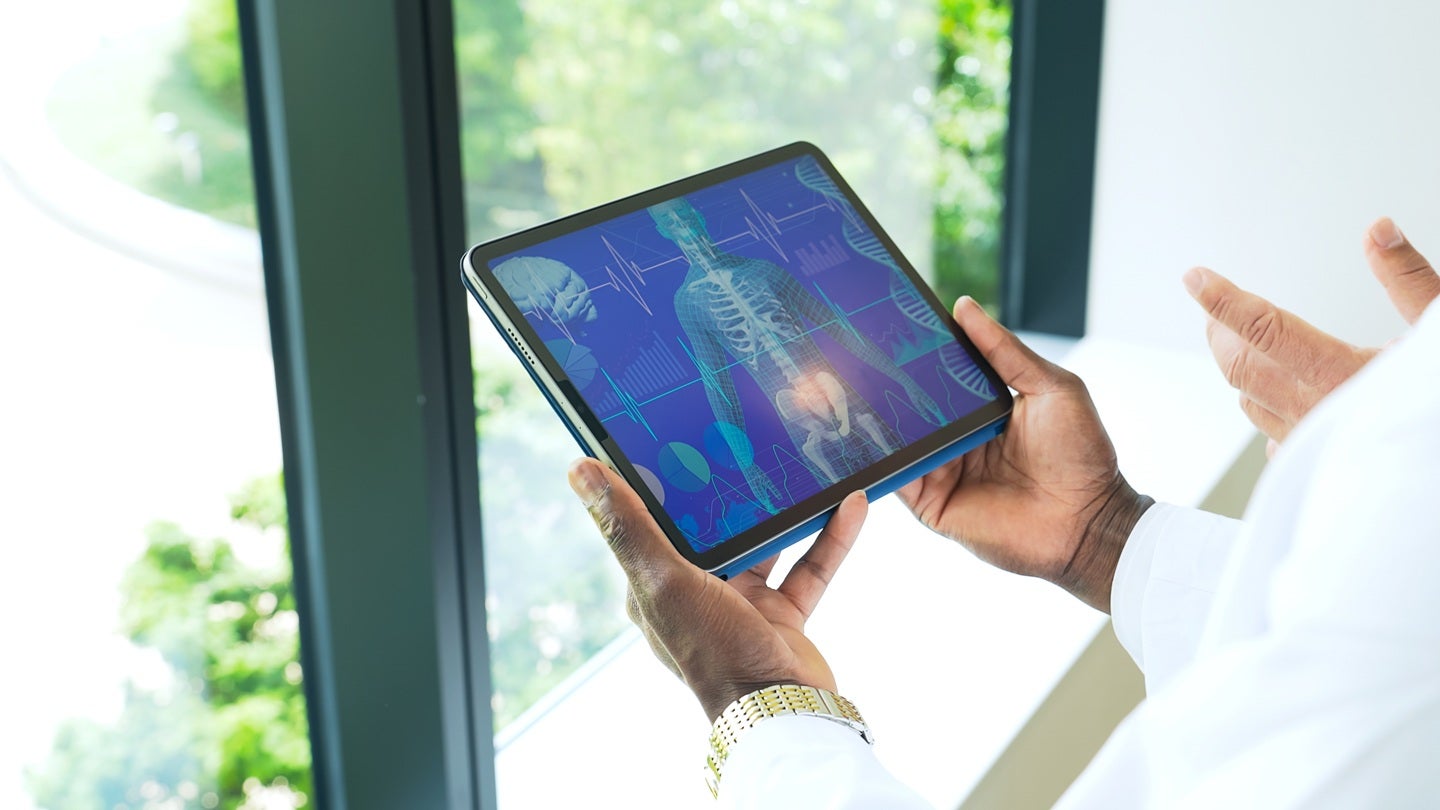
The promotional imagery accompanying the announcement credits metamorworks / Shutterstock.com for providing the visual representation of ‘View’ in action. Metamorworks is a contributor to Shutterstock, offering a diverse portfolio of stock photos and images. The image depicts a radiologist accessing diagnostic images remotely, highlighting the key benefit of the new viewer.
Looking Ahead
The FDA clearance of ‘View’ represents a significant advancement in radiology technology. By providing radiologists with secure, accessible, and efficient tools for image interpretation, GE HealthCare aims to improve patient care and streamline workflows. The integration of AI and the cloud-native architecture position ‘View’ as a potentially transformative solution in the evolving landscape of medical imaging.
GE HealthCare has not yet announced a specific rollout date for ‘View,’ but the FDA clearance paves the way for wider adoption of the technology. Healthcare institutions interested in learning more about ‘View’ and the Genesis Radiology Workspace are encouraged to contact GE HealthCare directly for further information.
The next step for GE HealthCare will be to focus on implementation and gathering real-world data on the impact of ‘View’ on radiology workflows and patient outcomes. Continued innovation in this space will be crucial to addressing the evolving needs of the healthcare industry and improving the quality of care for patients worldwide.
What are your thoughts on the potential of cloud-based diagnostic viewers? Share your comments below, and let’s continue the conversation.
Related reading