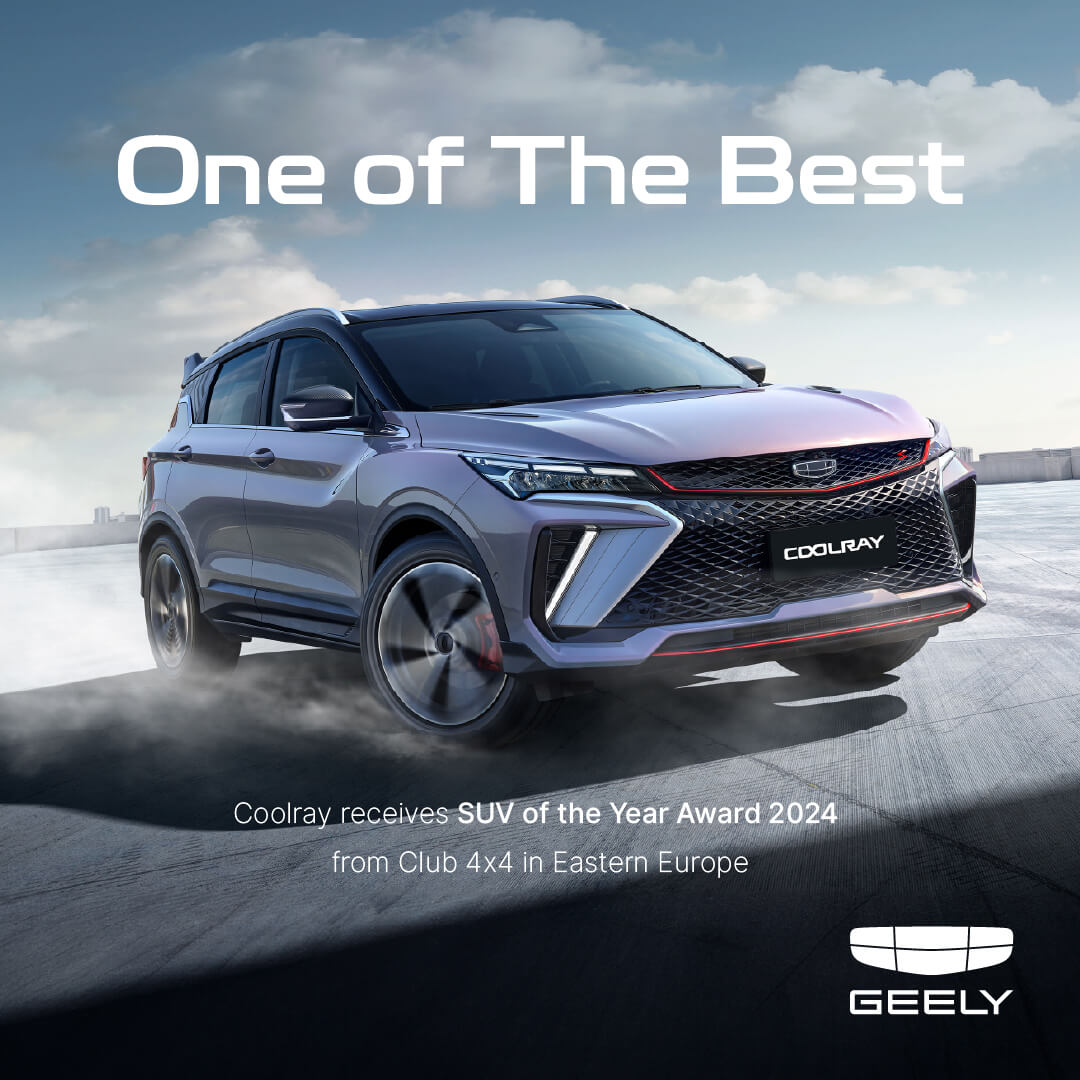
In a remarkable milestone for the Chinese automotive industry, Geely has achieved a significant breakthrough in the Hungarian market by delivering its first 100 vehicles to customers in record time. This rapid adoption underscores growing consumer interest in new energy vehicles across Central and Eastern Europe and highlights Geely’s strategic expansion into the region.
The milestone was reached shortly after Geely’s official market entry in Hungary, which began with a strong presence at the AMTS Auto Reveal in March 2026. At the event, the automaker showcased two key electric vehicle models tailored for European consumers: the Geely E5 and the Geely Starray EM-i, both sport utility vehicles designed to meet stringent EU safety and emissions standards.
According to verified reports, Geely’s February 2026 exports reached a record 60,879 units, representing a year-on-year increase of 138.26%. This surge in international shipments contributed to the company’s overall sales growth during what is traditionally an off-season period, helping Geely achieve total global sales of 206,160 units for the month.
The Hungarian market entry marks a pivotal step in Geely’s broader European strategy, which includes establishing local sales networks and planning for gradual model expansion. Industry analysts note that Hungary’s growing infrastructure for electric vehicles and supportive government policies have made it an attractive entry point for Chinese automakers seeking to expand their footprint in the EU.
Geely’s success in Hungary is further contextualized by its position as China’s second-largest electric vehicle manufacturer, trailing only BYD in global NEV sales. The company’s portfolio extends beyond passenger vehicles to include commercial brands like Farizon, which has already been active in Hungary since spring 2025, laying the groundwork for Geely’s passenger vehicle launch.
As part of its global operations, Geely maintains manufacturing facilities in multiple countries, including plants in Belgium and Sweden, which support its European market initiatives. The automaker also holds strategic partnerships with major international brands, including stakes in Aston Martin and a joint venture with Mercedes-Benz on smart mobility solutions.
Looking ahead, Geely has indicated plans to introduce additional EV models to the Hungarian market within the first year, with expectations of expanding to 10 to 15 franchised dealerships by the end of 2026. This phased rollout reflects a measured approach to building brand awareness and after-sales support in a new market.
The achievement of delivering the first 100 vehicles in record time not only demonstrates strong initial demand but also validates Geely’s investment in localized marketing, customer service and digital retail experiences tailored to Hungarian consumers.
For ongoing updates on Geely’s market performance and expansion plans in Hungary, interested parties are encouraged to monitor official announcements from Geely Hungary and attend upcoming automotive industry events in the region.
We invite our readers to share their thoughts on the growing presence of Chinese electric vehicles in European markets. What factors do you believe are driving this trend, and how might it shape the future of transportation in Central and Eastern Europe? Join the conversation in the comments below and share this article with others interested in global automotive developments.