Mounting Discontent in Morocco: A New Generation Demands Change
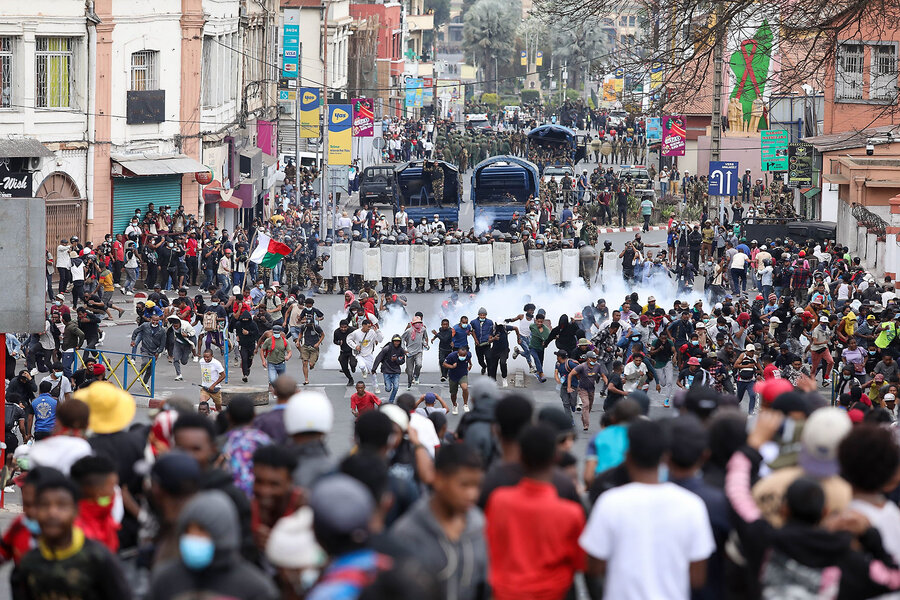
Recent weeks have seen a surge of protests across Morocco, fueled by a growing frustration among young citizens. These demonstrations highlight a deep-seated disconnect between government priorities and the everyday needs of the Moroccan people. Let’s delve into the factors driving this unrest and what it signifies for the future of the nation.
A Nation’s Priorities Questioned
Since September 27th, Moroccans have taken to the streets, voicing concerns over what they perceive as misallocated resources.Specifically, the substantial investment – billions of dollars – dedicated to preparations for the 2030 World Cup is drawing criticism. Manny feel this investment overshadows the critical need for improvements in essential public services like healthcare and education.
You’re seeing a stark contrast: gleaming new stadiums while schools and hospitals struggle wiht inadequate funding and deteriorating conditions. This disparity is at the heart of the current protests.
The Rise of “GenZ 212“
A key element of this movement is its organization through digital platforms, especially Discord. A group calling themselves “GenZ 212” – a reference to Morocco’s international area code – is spearheading the protests.
One Discord user articulated the core demands on October 1st: “we demand public healthcare accessible to all, free and quality education for the children of the nation, and we demand, above all, the right to live with dignity in a country that respects the citizenship of all its people.” This sentiment encapsulates the broader aspirations driving the movement.
Feeling Forgotten in the Rush to Modernize
Experts note a growing sense of being left behind as Morocco focuses on attracting international tourism and investment. Many Moroccans feel their basic needs are being overlooked in the pursuit of modernization.
“You can understand there’s lots of frustration when they see their country prioritizing soccer stadiums and high-speed trains, while the basic public services are still very backward,” explains a political analyst familiar with the region. This feeling of neglect is a powerful catalyst for change.
Acknowledgment from the Throne
King Mohammed VI has publicly acknowledged the growing divide within the country.In a July address,he stated there is “no place for a Morocco moving at two speeds.” This recognition signals a potential willingness to address the concerns of the protesters.
however, words alone are not enough. The question remains whether concrete action will follow.
Government Response and Human Rights Concerns
The moroccan prime minister recently stated the government is open to dialogue with protesters. Yet, the path forward remains uncertain.
Reports from the Moroccan Association for Human Rights indicate approximately 1,000 people have been detained in connection with the protests. This raises concerns about the government’s approach to dissent and the protection of civil liberties.
Echoes of the Arab Spring, But Different
These protests evoke memories of the large-scale demonstrations that swept across Morocco during the Arab Spring nearly 15 years ago. Those earlier protests also centered on demands for improved living conditions, greater employment opportunities, an end to school privatization, and a crackdown on corruption.
Constitutional reforms were enacted in response, limiting the power of the monarchy and bolstering the executive and legislative branches. However, this current movement differs substantially. It’s characterized by a decentralized structure, lacking the prominent leaders and journalists who spearheaded the Arab Spring.
This is a truly generational phenomenon, transcending traditional elite structures. It’s a bottom-up movement driven by the lived experiences of young Moroccans.
Ultimately,the future of Morocco hinges on the government’s ability to address the legitimate grievances of its citizens.A genuine commitment to inclusive advancement and social justice is crucial for ensuring a stable and prosperous future for all Moroccans.
Worth a look