
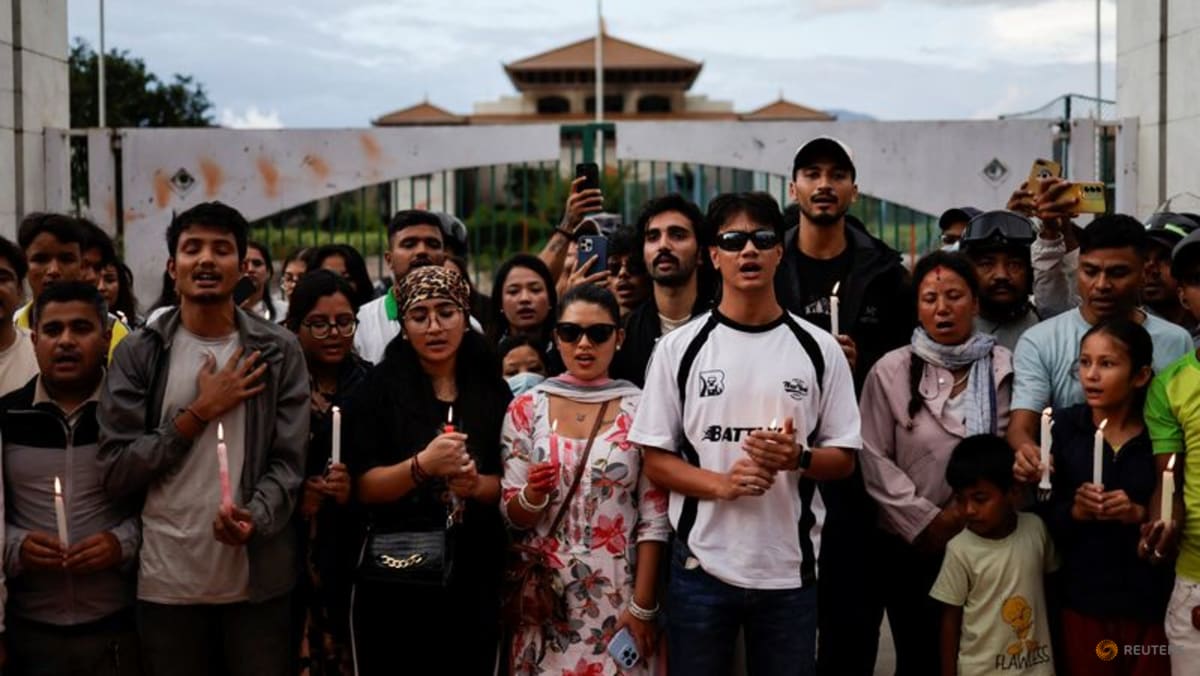
Nepal’s Political Earthquake: How Youth Protests Ushered in the Nation’s First Female Prime Minister
Could a nation steeped in political tradition truly change in under 48 hours? In Nepal, the answer is a resounding yes. The country has a history of political upheaval, often seeing regimes toppled within months of sustained protest. But the recent shift – the appointment of Sushila karki as Nepal’s first female Prime minister on september 12th – unfolded with unprecedented speed, signaling a potential turning point for the Himalayan nation. This wasn’t a gradual evolution; it was a political earthquake, driven by a powerful wave of youth discontent and a demand for systemic change.
This article delves into the factors behind this dramatic shift, the mandate facing Prime Minister Karki’s interim government, and what this moment signifies for Nepal’s future. We’ll explore the context of recent protests, the constitutional complexities surrounding the appointment, and the challenges ahead as Nepal prepares for elections in March 2026.
The Spark: Protests and a Demand for Accountability
For decades, Nepal has navigated a complex political landscape, marked by instability and a perceived lack of responsiveness from its governing bodies. Recent protests, fueled by economic hardship, corruption, and a general sense of disillusionment, escalated rapidly. These weren’t simply calls for regime change; they were demands for good governance,economic equality,and an end to impunity.
The protests gained important momentum,particularly amongst Nepal’s youth population. This demographic,often marginalized in traditional political structures,found a voice and a rallying point in the figure of Sushila Karki. Karki, a retired Chief Justice known for her outspokenness and integrity, unexpectedly emerged as the preferred candidate for Prime Minister.Her direct engagement with protestors – visiting hospitals to support the wounded amidst ongoing violence – resonated deeply with a generation yearning for authentic leadership. https://www.channelnewsasia.com/asia/nepal-interim-pm-sushila-karki-gen-z-protests-5348616
A Constitutional Gray Area: The Appointment of Prime Minister Karki
The appointment of Sushila Karki wasn’t without its complexities. The President’s decision bypassed standard constitutional procedures for government formation. Nepal’s constitution outlines specific processes for appointing a Prime Minister, typically involving parliamentary majority support. However, the unprecedented scale of the protests and the urgent need to restore political stability prompted a deviation from the norm.
While criticized by some political parties as unconstitutional, this move reflects the remarkable circumstances. It underscores a willingness to prioritize the public’s demand for change over strict adherence to established protocols.This highlights a crucial point: in times of national crisis, constitutional interpretation can be fluid, driven by the imperative to prevent further unrest and safeguard the nation’s future. The International Crisis Group provides in-depth analysis of Nepal’s political challenges and constitutional framework: https://www.crisisgroup.org/asia/south-asia/nepal
the Interim Government’s Mandate: Elections, Justice, and Foundations for the Future
Prime Minister Karki’s interim government faces a clear, albeit challenging, mandate:
* Free and Fair Elections: the primary task is to conduct credible elections by March 5, 2026. These elections are seen as crucial for establishing a legitimate and representative government. Ensuring inclusivity and openness will be paramount.
* Accountability for violence: A thorough investigation into the recent violence – including both deaths and property destruction - is essential. Bringing perpetrators to justice will be a critical step towards restoring public trust and preventing future unrest.
* Laying the Groundwork for Good Governance: While the interim government’s tenure is limited, it has an prospect to set precedents for good governance and ethical leadership. This includes promoting transparency, combating corruption, and strengthening institutions.
beyond these core objectives, the government will need to address pressing economic concerns and work towards fostering greater social cohesion. The success of this interim period will largely depend on its ability to build consensus and demonstrate a commitment to serving the interests of all Nepalis.
Beyond the Status Quo: A Call for Political restructuring
The youth-led protests weren’t a rejection of Nepal’s democratic framework, but rather a demand for its advancement. They signal a desire for a political





