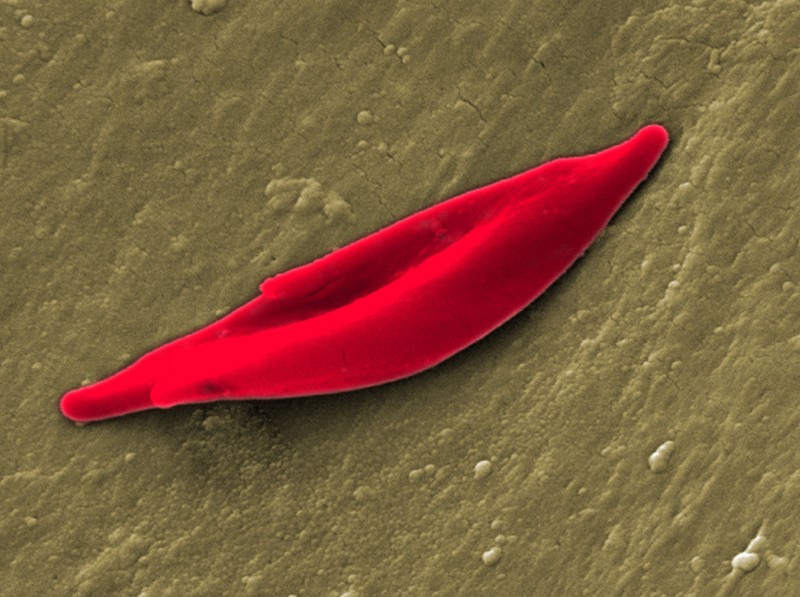
New gene-editing approaches targeting the promoters of HBG1 and HBG2 genes are showing promise as a disease-agnostic strategy for treating β-hemoglobinopathies, including sickle cell disease and β-thalassemia, according to recent clinical trial data. Three phase 1/2 trials have demonstrated that direct editing of these genetic regulators can reactivate fetal hemoglobin production, offering a potential therapeutic avenue independent of the specific underlying mutation. This approach represents a significant shift from mutation-specific therapies toward a broader, more inclusive treatment model for inherited blood disorders.
The strategy focuses on reactivating fetal hemoglobin (HbF), which is normally silenced after birth but can compensate for defective adult hemoglobin in β-hemoglobinopathies. By using gene-editing tools to modify enhancer regions in the HBG1 and HBG2 promoters, researchers aim to sustain HbF expression into adulthood. This method avoids the need to correct the diverse array of mutations found in the HBB gene, which causes sickle cell disease and various forms of thalassemia, thereby simplifying treatment development and broadening applicability.
Recent findings shared at medical conferences and reported in peer-reviewed outlets indicate measurable increases in fetal hemoglobin levels among trial participants, with corresponding reductions in disease symptoms such as vaso-occlusive crises in sickle cell disease and transfusion dependence in β-thalassemia. While long-term safety and durability data are still being collected, early results suggest a favorable risk-benefit profile, particularly for patients who lack eligible donors for stem cell transplantation or who face barriers to existing gene therapies.
One of the key advantages of this approach is its potential applicability across diverse patient populations, regardless of geographic origin or specific genetic variant. Unlike therapies that require precise correction of the sickle cell mutation or specific thalassemic variants, promoter editing targets a conserved regulatory mechanism. This could prove especially valuable in low- and middle-income countries where genetic diversity is high and access to advanced diagnostics may be limited.
Experts in hematology and gene therapy caution that while the concept is promising, challenges remain regarding off-target effects, editing efficiency, and the durability of HbF reactivation. Long-term follow-up is essential to assess risks such as clonal dominance or insertional mutagenesis, particularly as editing is performed in hematopoietic stem cells. Researchers are also investigating optimal editing techniques, including base editing and prime editing, to improve precision and reduce unintended genetic alterations.
Ongoing studies are evaluating different delivery methods, such as viral vectors and electroporation of ribonucleoprotein complexes, to maximize editing efficiency while minimizing toxicity. Comparative analyses are underway to determine whether certain promoter variants respond better to specific editing strategies, which could inform personalized treatment approaches in the future. Regulatory agencies are closely monitoring these trials, with guidance expected as more data becomes available.
Patient advocacy groups have expressed cautious optimism, emphasizing the importance of equitable access to emerging therapies once they are proven safe and effective. They highlight the need for inclusive clinical trial design that ensures representation from underrepresented communities disproportionately affected by β-hemoglobinopathies. Cost, infrastructure requirements, and long-term monitoring needs are also cited as critical factors in determining real-world accessibility.
As research progresses, scientists are exploring combinations of promoter editing with other supportive therapies, such as hydroxyurea or L-glutamine, to potentially enhance therapeutic outcomes. Some preclinical models suggest that synergistic effects may allow for lower editing thresholds or improved cell engraftment. However, these combinations remain investigational and require rigorous clinical validation before clinical adoption.
The next major milestone in this field will be the release of long-term follow-up data from the ongoing phase 1/2 trials, expected to be presented at major hematology conferences in late 2026. These updates will be crucial for assessing durability of response, safety over extended periods, and suitability for pivotal phase 3 trials. Until then, the scientific and patient communities await further evidence with cautious optimism.
For readers seeking reliable updates on advances in gene therapy for blood disorders, reputable sources such as the National Institutes of Health clinical trials database, peer-reviewed journals like Blood and Nature Medicine, and statements from major medical societies including the American Society of Hematology provide authoritative information. Staying informed through these channels ensures access to accurate, timely developments in this rapidly evolving field.
Related reading
- Energy Drink Risks: Health Warnings and the Dangers of Mixing with Coffee
- Health Benefits of White Beans: What a 2016 Meta-Analysis Reveals
- Long-Acting Injectables Outperform Daily Pills in New HIV Treatment Studies (news-usa.today)
- Vegas Pro 2026 Series Launches August 6: All-in-One Video & Title Editing (archyde.com)