
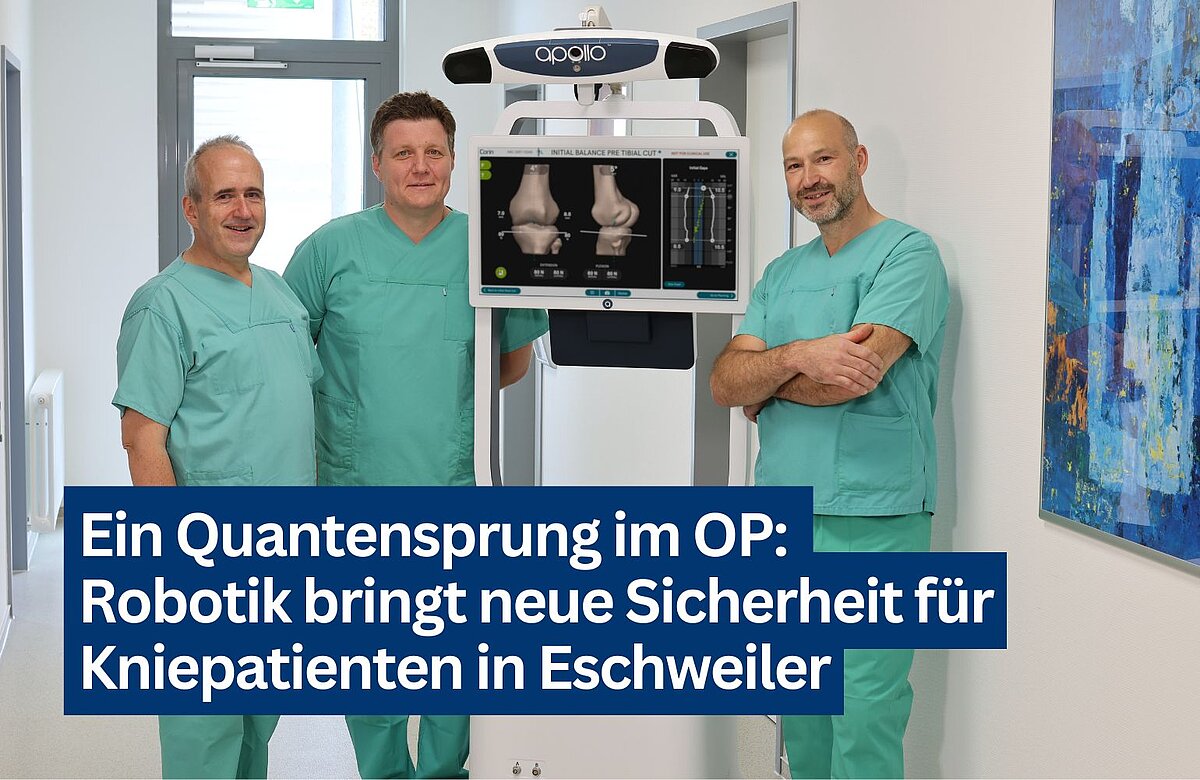
The landscape of surgical intervention is undergoing a fundamental transformation, shifting from the era of large incisions and lengthy convalescence toward a future defined by microscopic precision. At St. Antonius Hospital in Eschweiler, Germany, this evolution has reached a pivotal milestone with the integration of advanced robotic-assisted surgery, a move described as a “quantum leap” for the facility’s operating theaters.
For patients, this technological shift is not merely about the machinery involved, but about the tangible outcomes of their care. The primary objective of implementing robotic-assisted surgery in Eschweiler is to provide a significantly gentler treatment process, facilitating faster recovery times and improving long-term clinical results. By reducing the physical trauma associated with traditional open surgery, the hospital aims to return patients to their daily lives with greater speed and less postoperative complication.
As a physician and health journalist, I have seen how the gap between “standard care” and “innovative care” often comes down to the tools available to the surgeon. The transition to robotic platforms allows for a level of dexterity and visualization that the human hand and eye cannot achieve alone. At St. Antonius Hospital, this investment represents a strategic commitment to patient-centered care, ensuring that the local population has access to gold-standard surgical innovation without needing to travel to major metropolitan medical hubs.
This advancement is particularly critical in fields where precision is paramount—such as urology and visceral surgery—where the proximity of vital organs and nerves makes every millimeter count. By leveraging these systems, surgeons can perform complex dissections and suturing with a stability and accuracy that minimizes blood loss and reduces the risk of infection.
The Mechanics of Precision: How Robotic Systems Transform the OR
To understand why this is considered a “quantum leap,” one must look at the difference between traditional laparoscopy and robotic-assisted platforms. While standard minimally invasive surgery uses rigid instruments, robotic systems utilize “wristed” instruments that can rotate and pivot with a range of motion exceeding that of the human wrist. This allows surgeons to operate in tight anatomical spaces with unprecedented ease.
The surgeon does not operate from the bedside but from a sophisticated console, where they view a high-definition, three-dimensional image of the surgical field. This magnification allows for the identification of tiny blood vessels and nerve fibers that might be invisible to the naked eye during open surgery. The system filters out natural hand tremors, ensuring that every movement of the robotic arm is an exact, smoothed-out reflection of the surgeon’s intent.
According to the official portal of St. Antonius Hospital, the integration of these technologies is specifically designed to optimize the patient journey, focusing on the triad of reduced trauma, accelerated healing, and superior long-term efficacy.
Patient-Centric Outcomes: Beyond the Technology
The clinical value of robotic-assisted surgery is most evident in the immediate postoperative phase. Because the incisions are significantly smaller—often just a few centimeters—the physiological stress on the body is drastically reduced. This “gentler treatment” manifests in several key areas:
- Reduced Pain: Smaller wounds result in less tissue damage, which typically leads to a lower requirement for opioid pain medications following the procedure.
- Lower Blood Loss: The precision of the robotic arms and the enhanced visualization allow for more meticulous cauterization and suturing, reducing the likelihood of blood transfusions.
- Shorter Hospital Stays: With less trauma to the abdominal wall and internal organs, patients often meet discharge criteria much faster than those undergoing open surgery.
- Faster Return to Function: Reduced scarring and internal inflammation mean that patients can typically resume walking and light activity sooner, which in turn lowers the risk of postoperative pneumonia or deep vein thrombosis.
From a public health perspective, these improvements do more than just help the individual. they reduce the burden on the healthcare system by freeing up hospital beds more quickly and reducing the rate of readmissions due to surgical site infections.
Strategic Impact on Regional Healthcare in North Rhine-Westphalia
The adoption of this technology at St. Antonius Hospital reflects a broader trend in the North Rhine-Westphalia region to decentralize high-tech medical care. By bringing robotic capabilities to Eschweiler, the hospital is positioning itself as a center of excellence for minimally invasive procedures.
This is particularly crucial for an aging population that may suffer from comorbidities—such as diabetes or cardiovascular disease—which make traditional, invasive surgeries higher risk. For these vulnerable patients, the “gentler” approach of robotic surgery is not just a convenience; This proves often the key to making a necessary operation safe and viable.
the presence of such technology acts as a catalyst for medical education. It attracts highly skilled surgeons and encourages the existing staff to undergo specialized training, thereby elevating the overall standard of surgical care within the institution. This cycle of innovation ensures that the hospital remains competitive and capable of handling increasingly complex cases.
Comparison: Traditional vs. Robotic-Assisted Surgery
| Feature | Traditional Open Surgery | Robotic-Assisted Surgery |
|---|---|---|
| Incision Size | Large single incision | Several minor “keyhole” ports |
| Visualization | Direct sight / 2D | High-definition 3D magnified view |
| Instrument Range | Limited by human wrist/hand | Endowrist technology (360° rotation) |
| Recovery Time | Weeks to months | Days to weeks |
| Blood Loss | Higher risk | Significantly minimized |
Frequently Asked Questions about Robotic Surgery
Is the robot performing the surgery autonomously?
No. A common misconception is that the robot operates on its own. In reality, the robot is a sophisticated tool entirely controlled by the surgeon. Every movement of the robotic arms is dictated in real-time by the surgeon at the console; the system cannot make decisions or move independently.
Are there any risks associated with robotic surgery?
While robotic surgery reduces many risks associated with open surgery, it is still a surgical procedure. Risks include reactions to anesthesia and the possibility of instrument failure, although the latter is extremely rare. As with any procedure, the suitability of robotic surgery depends on the patient’s specific medical history and the nature of the condition being treated.

How do I know if I am a candidate for this “gentler” treatment?
Candidates are typically determined based on the type of organ being operated on and the complexity of the pathology. Patients are encouraged to discuss “minimally invasive” or “robotic” options with their specialists during the initial consultation to determine if their specific case aligns with the technology’s strengths.
Looking Ahead: The Future of the Operating Theater
The introduction of robotic systems at St. Antonius Hospital is likely the first step in a broader digital transformation of the surgical suite. The next frontiers involve the integration of artificial intelligence (AI) to provide real-time intraoperative guidance and the use of augmented reality (AR) to overlay preoperative imaging—such as CT scans—directly onto the surgeon’s view during the operation.
As these technologies mature, the goal remains the same: to move closer to a “zero-trauma” surgical experience. By focusing on the patient’s recovery and long-term quality of life, St. Antonius Hospital is not just updating its equipment; it is redefining the standard of care for the community it serves.
For those seeking more information on available procedures or to schedule a consultation regarding robotic-assisted options, the hospital’s surgical departments provide detailed guidance on patient eligibility and the specific benefits for different medical conditions.
We invite our readers to share their experiences with minimally invasive surgery in the comments below or share this article with those who may be considering surgical options.