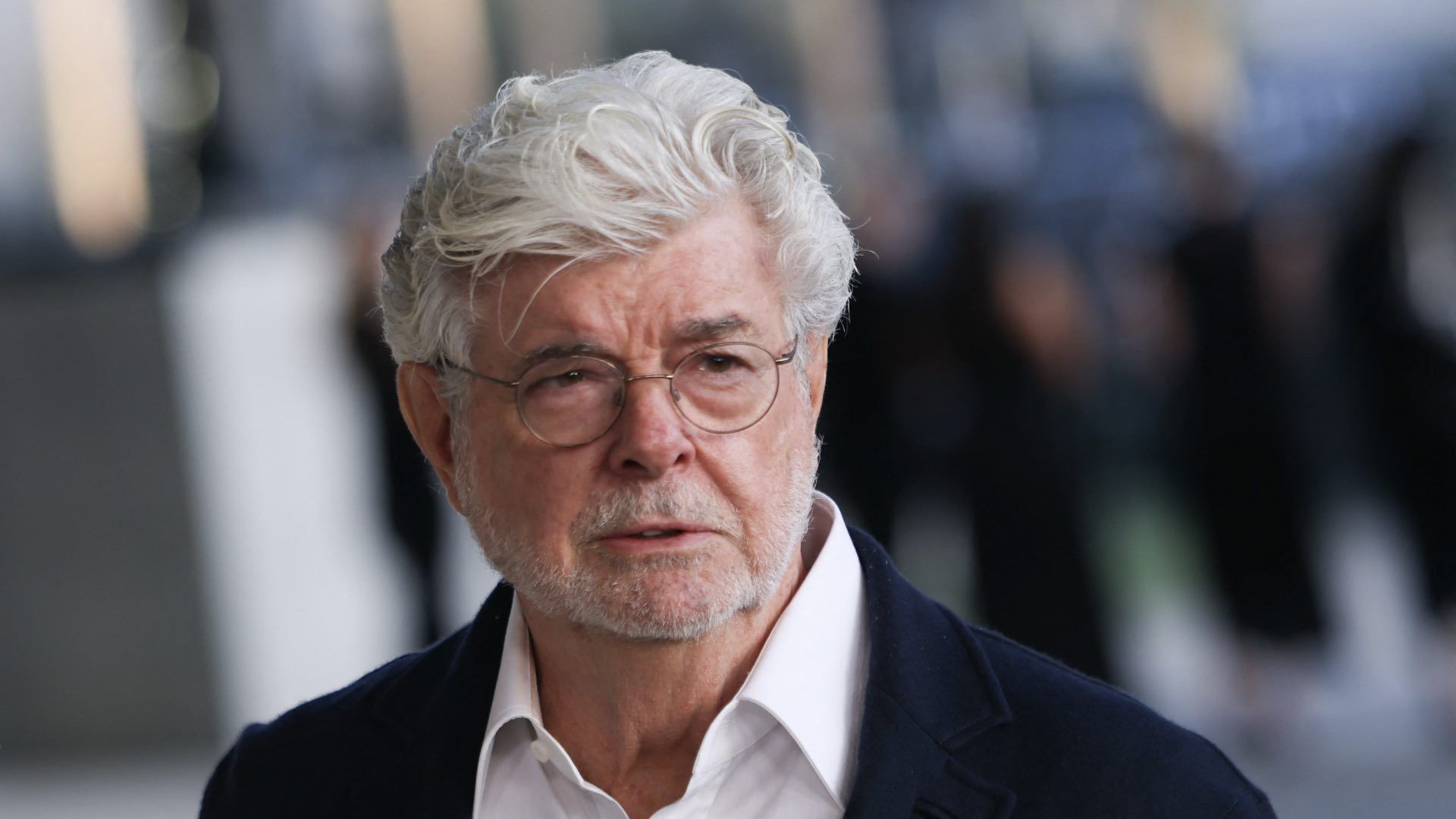
George Lucas, the filmmaker behind the Star Wars franchises, recently characterized the rejection of artificial intelligence in cinema as a futile effort, comparing the resistance to the historical transition from horse-drawn carriages to automobiles. In a conversation with the publication A Rabbit’s Foot, the director emphasized that the evolution of film technology is inevitable and that AI represents the next frontier in the medium’s progression.
The veteran director, who founded Lucasfilm and has long been associated with the integration of digital tools in filmmaking, argued that the medium of the “moving image” is defined by its ideas rather than the specific technology used to capture them. Lucas, who is on the Film Foundation—an organization dedicated to saving old movies—addressed the pushback he has encountered from contemporaries regarding the use of digital tools in film production.
The Evolution of Cinema Technology
According to Lucas, the debate surrounding AI in the film industry mirrors past anxieties regarding advancements in filmmaking, including the transition from traditional film stock to digital capture. “I have a lot of friends who are on the Film Foundation with me, that’s dedicated to saving old movies, and some of them say ‘I’ll never do digital. Lawrence of Arabia was shot with film,'” Lucas stated during the interview. He countered this perspective by suggesting that the focus on the physical medium distracts from the core purpose of storytelling, noting, “It’s the moving image. That’s what it is. It’s not a technology, it’s an idea.”

Lucas drew a direct parallel between those who resist AI and those who might have preferred horse-drawn transportation during the rise of the automotive industry. “Artificial intelligence means it’s much easier for us to make movies. It’s very much like sitting here saying, ‘Well, I believe the horse and the buggy is really where it’s at. These cars, they break down, they need gas, there’s all kinds of problems with them and pretty soon they’ll be making them into tanks, and then they’ll be killing people. It’s terrible,'” he said. For Lucas, the adoption of AI is not a matter of choice but a function of progress, adding, “There’s nothing you can do about it. That’s progress, it’s the future.”
Addressing Ethics and Accountability
While acknowledging the concerns surrounding the integration of new technologies, Lucas suggested that AI could be utilized to address the very issues critics fear, such as the proliferation of deceptive content. He proposed that AI tools could be developed to verify the authenticity and origin of media, a task he suggests is beyond human capacity. “If you want AI that tells you when something is fake and where it came from, AI can do that. Humans can’t, we’re not that smart,” Lucas noted.
The filmmaker emphasized that the responsibility for the application of these tools remains with the human creator. He argued that the legal and ethical framework for AI use should mirror existing structures of accountability. “The whole idea is you’re a human being, you’re responsible for what you say and what you do, and if you’re doing something that’s illegal you should be punished for that. Whatever you do, you should be recognised. It’s just like real life,” he said.
A History of Technological Adoption
Throughout his career, George Lucas has been a proponent of technological experimentation in film. In some of his films—the original Star Wars trilogy, for instance—that’s had the impact of creating groundbreaking, world-historic movies. His later work, particularly the Star Wars prequel trilogy, for instance, had the effect of slapping actors in front of tech which was not yet ready for prime time.

This history of pushing the boundaries of film production informs his current stance on AI. While the industry continues to grapple with the implications of generative models, Lucas’s comments reflect a long-held view that the director’s role is to leverage available tools to realize a creative vision, regardless of the discomfort such changes may cause within the traditional filmmaking community.
As the film industry continues to monitor the development of AI-driven production tools, the conversation remains centered on the balance between automated efficiency and human-led artistry.
The ongoing dialogue regarding the future of creative labor and technological integration is expected to continue as studios and filmmakers navigate the evolving regulatory and ethical landscape. Readers interested in the latest developments concerning AI in the entertainment sector can find updates through official union statements and industry trade reporting.