
Mouvement Réformateur (MR) leader Georges-Louis Bouchez has publicly dismissed recent unfavorable polling data, maintaining that his party is on a trajectory to win the Belgian federal elections in 2029. Speaking during commemorative events marking the 180th anniversary of the liberal movement in Belgium, the party president characterized current opinion surveys as transient snapshots that do not reflect the long-term electoral potential of his political platform.
The assertion follows a series of reports from the Grand Baromètre, a collaborative polling effort between RTL Info, Le Soir, and Ipsos, which indicated a decline in support for the MR compared to previous cycles. Despite these figures, which suggest shifting voter sentiment, Bouchez emphasized the resilience of liberal ideology and its capacity to appeal to broader demographics, including the working classes, in future national contests.
The Liberal Strategy for 2029
Bouchez’s confidence in the 2029 electoral outlook is rooted in his belief that the MR’s policy platform—centered on economic reform, labor market flexibility, and fiscal responsibility—will gain further traction as the current legislature progresses. According to official party documentation, the Mouvement Réformateur intends to leverage its role in the current governing coalition to implement structural changes that the party leadership claims will produce tangible economic benefits for citizens by the end of the term.
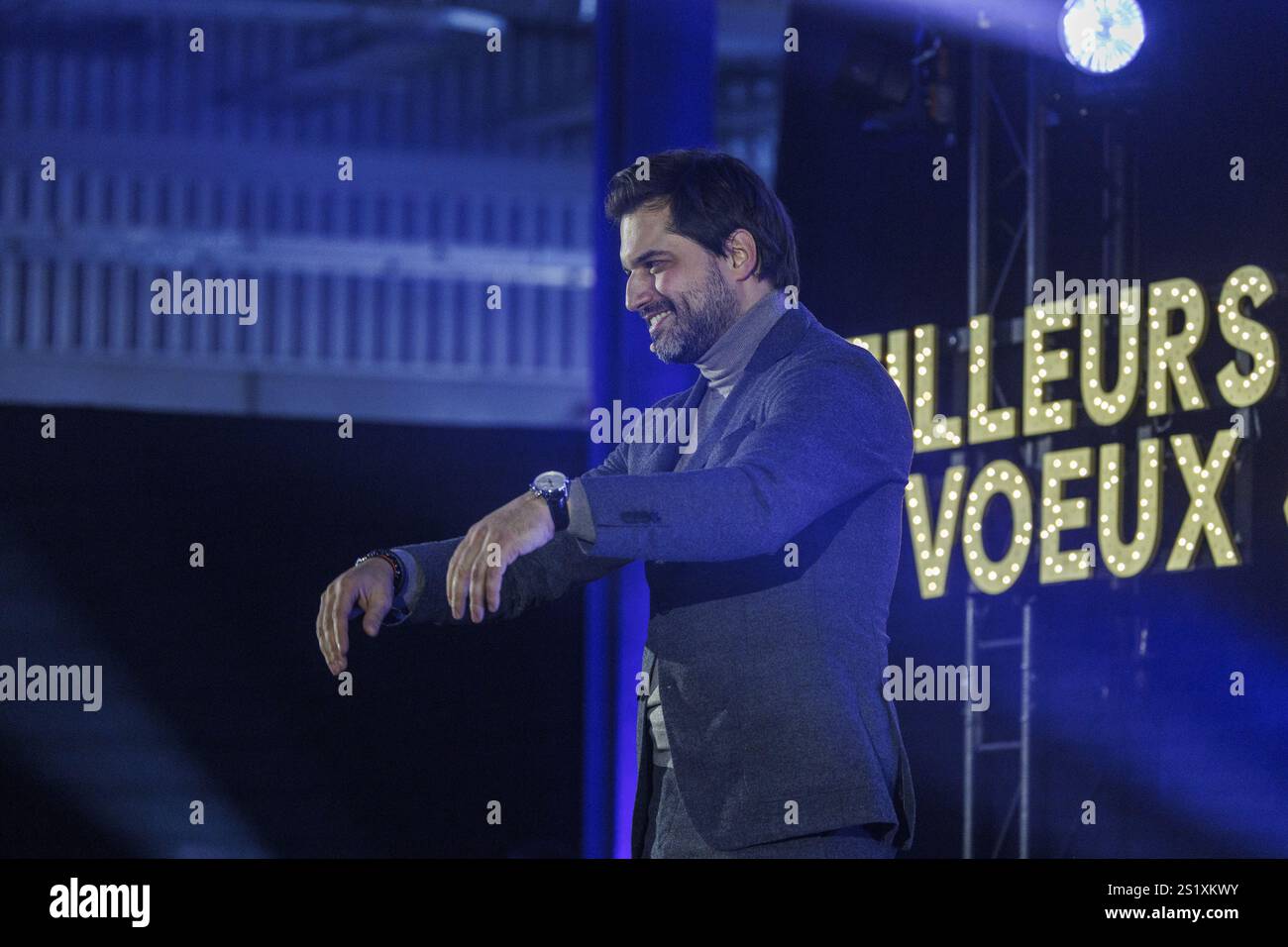
The party’s 180th-anniversary celebrations served as a platform to reaffirm these core tenets. The MR, which traces its ideological roots back to the founding of the Belgian Liberal Party in 1846, has historically positioned itself as a bridge between traditional conservative values and modern socio-economic liberalism. Bouchez has argued that the “Belgian experience” of coalition building and compromise provides a template for success that can be applied to broader European contexts, including France, where he has frequently compared the challenges faced by liberal movements.
Analyzing the Polling Data
Recent polling, specifically the data published in September 2024, showed the MR experiencing a slight cooling in voter enthusiasm after a period of high performance during the June 2024 federal and regional elections. The Grand Baromètre findings highlighted a resurgence for other political parties, including the Parti Socialiste (PS) and Les Engagés, which have seen their respective support levels fluctuate in response to coalition negotiations and regional policy shifts.
Political analysts note that the Belgian political landscape is currently characterized by high fragmentation. Following the June 9, 2024, elections, the formation of a federal government has proven complex, requiring multi-party agreements that often impact public perception of individual party leaders. For the MR, the challenge remains maintaining its identity as a distinct liberal force while functioning as a central pillar of the ongoing negotiations to form a stable majority.
Looking Toward the Next Electoral Cycle
The focus for the MR in the coming years will be on consolidating its base and addressing voter concerns regarding inflation, energy costs, and public spending. The party’s leadership has indicated that internal focus groups and policy committees are already drafting the framework for their 2029 platform, with an emphasis on “popular liberalism”—a term Bouchez uses to describe a policy approach that seeks to lower tax burdens for middle and low-income earners.
While the next federal elections are not scheduled until 2029, the political environment remains fluid. The Belgian electoral system, based on proportional representation, necessitates that parties maintain strong, consistent polling to ensure their negotiating position in future coalition talks. Bouchez’s rhetoric is widely viewed by political observers as an effort to sustain party morale and signal to voters that the MR is a long-term electoral contender, regardless of mid-term polling volatility.

The party has not yet announced a specific date for its next major policy convention, though it is expected that the MR will continue to hold regional and national meetings throughout 2025 to refine its legislative priorities. Supporters and interested observers can monitor the official Mouvement Réformateur website for updates regarding policy papers and public appearances by party leadership.
This report is based on current political analysis and publicly available polling data. We welcome reader feedback and further insights on the evolving Belgian political landscape.
Worth a look