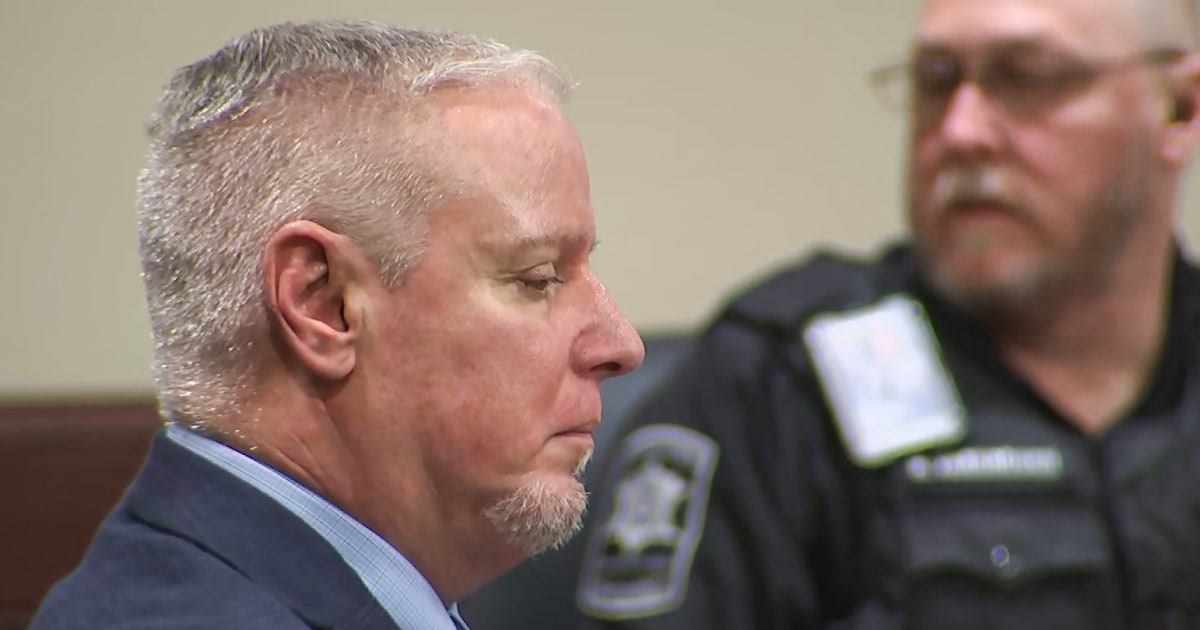
Father’s Testimony Reveals Troubling Signs Before Apalachee High School Shooting
Winder, Georgia – Testimony in the trial of Colin Gray, the father of the alleged shooter in the 2024 Apalachee High School shooting, has revealed a series of concerning events leading up to the tragic incident. Gray, 55, faces multiple charges including second-degree murder, involuntary manslaughter, and cruelty to children, stemming from the shooting that left two students and two teachers dead and nine others wounded on September 4, 2024. The trial, currently underway, centers on whether Gray knowingly provided his 14-year-old son, Colt Gray, with the means to carry out the attack, and whether he failed to adequately address his son’s escalating behavioral issues. The case has reignited the national debate surrounding gun control, parental responsibility, and access to mental health care for young people.
According to testimony presented in court on Tuesday, Colin Gray acknowledged to investigators that his son had exhibited increasingly aggressive behavior in the months preceding the shooting and that he had sought mental health resources for him. The Georgia Bureau of Investigation (GBI) special agent Kelsey Ward testified that Gray described instances of physical aggression from his son, stating that Colt would attempt to fight him. Despite these warning signs, Gray also pursued avenues he believed would positively influence his son, including a bonding experience through deer hunting, a decision that ultimately led to the purchase of the AR-15-style rifle used in the school shooting. This complex and disturbing narrative is unfolding as the trial progresses, offering a glimpse into the events that culminated in the devastating attack at Apalachee High School.
The prosecution alleges that Gray gave his son the weapon used in the shooting, whereas the defense has not yet presented its case. The trial is expected to last several weeks, with numerous witnesses scheduled to testify. The emotional toll on the Winder community, still grappling with the aftermath of the tragedy, is palpable as details of the events leading up to the shooting are brought to light. The case is being closely watched by advocates on both sides of the gun control debate, as well as by families and communities across the country concerned about school safety and the mental health of young people.
Concerns Over Aggressive Behavior and Mental Health
Agent Ward’s testimony detailed a disturbing pattern of behavior exhibited by Colt Gray prior to the shooting. According to the GBI agent, Colin Gray told investigators his son had become increasingly aggressive and that he had attempted to secure mental health counseling and explore inpatient care options. This suggests that Gray was aware of his son’s struggles and actively sought help, raising questions about the adequacy of available resources and the challenges parents face when trying to access mental health care for their children. The details of these attempts to secure help have not yet been fully disclosed, but they form a crucial part of the prosecution’s case, aiming to demonstrate a pattern of negligence on the part of the father.
Despite his concerns, Gray reportedly pursued a different approach, believing that engaging his son in activities like deer hunting would provide a positive outlet and strengthen their bond. He recounted to investigators a hunting trip where they successfully shot a deer, describing it as “the greatest day ever.” Following this experience, Gray allegedly told his son that “Santa Claus” might bring him a firearm for Christmas, and subsequently purchased an AR-15 rifle for him. This decision, presented in court, has drawn sharp criticism and raises serious questions about Gray’s judgment and his understanding of the potential risks associated with providing a firearm to a troubled teenager.
Disturbing Discoveries and Final Texts
The testimony also revealed that just days before the shooting, Colin Gray discovered a poster of Nikolas Cruz, the perpetrator of the 2018 shooting at Marjory Stoneman Douglas High School in Parkland, Florida, in his son’s room. The Parkland shooting, which resulted in the deaths of 17 people, remains one of the deadliest school shootings in U.S. History. Gray admitted to investigators that he was unfamiliar with Cruz but inquired about him, to which his son reportedly responded, “that’s one of the guys that did that last school shooting.” This discovery, coupled with his son’s increasingly erratic behavior, should have been a significant red flag, according to prosecutors.
On the morning of September 4, 2024, Gray received a series of alarming text messages from his son, including, “I’m sorry. It’s not your fault,” and “You’re not to blame for any of it.” These messages prompted Gray to abandon work and attempt to contact his son. Upon returning home, he discovered that the AR-15 rifle he kept in his son’s room was missing. According to Ward’s testimony, Gray expressed disbelief that his son would be capable of such an act, stating, “I mean, how the hell is he going to walk across the yard with a long rifle and get on a bus? There’s no way This represents him.”
The Broader Context of School Shootings and Mental Health
The Apalachee High School shooting is part of a disturbing trend of increasing gun violence in schools across the United States. According to data from Education Week, there have been more than 200 school shootings since 2018, resulting in countless injuries, and deaths. These incidents have sparked renewed calls for stricter gun control measures, increased funding for mental health services in schools, and improved security protocols. The tragedy at Apalachee High School underscores the urgent need for a comprehensive approach to addressing the root causes of school violence and protecting students and staff.
The case also highlights the critical importance of early intervention and access to mental health care for young people. Identifying and addressing behavioral issues before they escalate is crucial in preventing tragedies like the one at Apalachee High School. Still, access to mental health services remains a significant challenge for many families, particularly in rural areas and underserved communities. The lack of affordable and accessible mental health care can exacerbate existing problems and increase the risk of violence.
What’s Next in the Colin Gray Trial?
The trial of Colin Gray is expected to continue for several more weeks, with the defense preparing to present its case. The prosecution will likely focus on demonstrating that Gray acted negligently in providing his son with a firearm and failing to address his concerning behavior. The defense may argue that Gray was acting in good faith, attempting to connect with his son and provide him with positive outlets, and that he could not have reasonably foreseen the tragic events that unfolded. The jury will ultimately decide whether Gray is guilty of the charges against him.
The next scheduled hearing in the case is set for March 7, 2026, where closing arguments are expected to be presented. A verdict is anticipated shortly thereafter. This case will undoubtedly have lasting implications for discussions surrounding gun control, parental responsibility, and mental health care in the United States. We encourage readers to share their thoughts and perspectives on this important issue in the comments below.
Related reading